The Council of Governors (CoG) has urged health workers to reconsider their industrial action plans, assuring them that counties will start paying the agreed Collective Bargaining Agreement (CBA) rates from August.
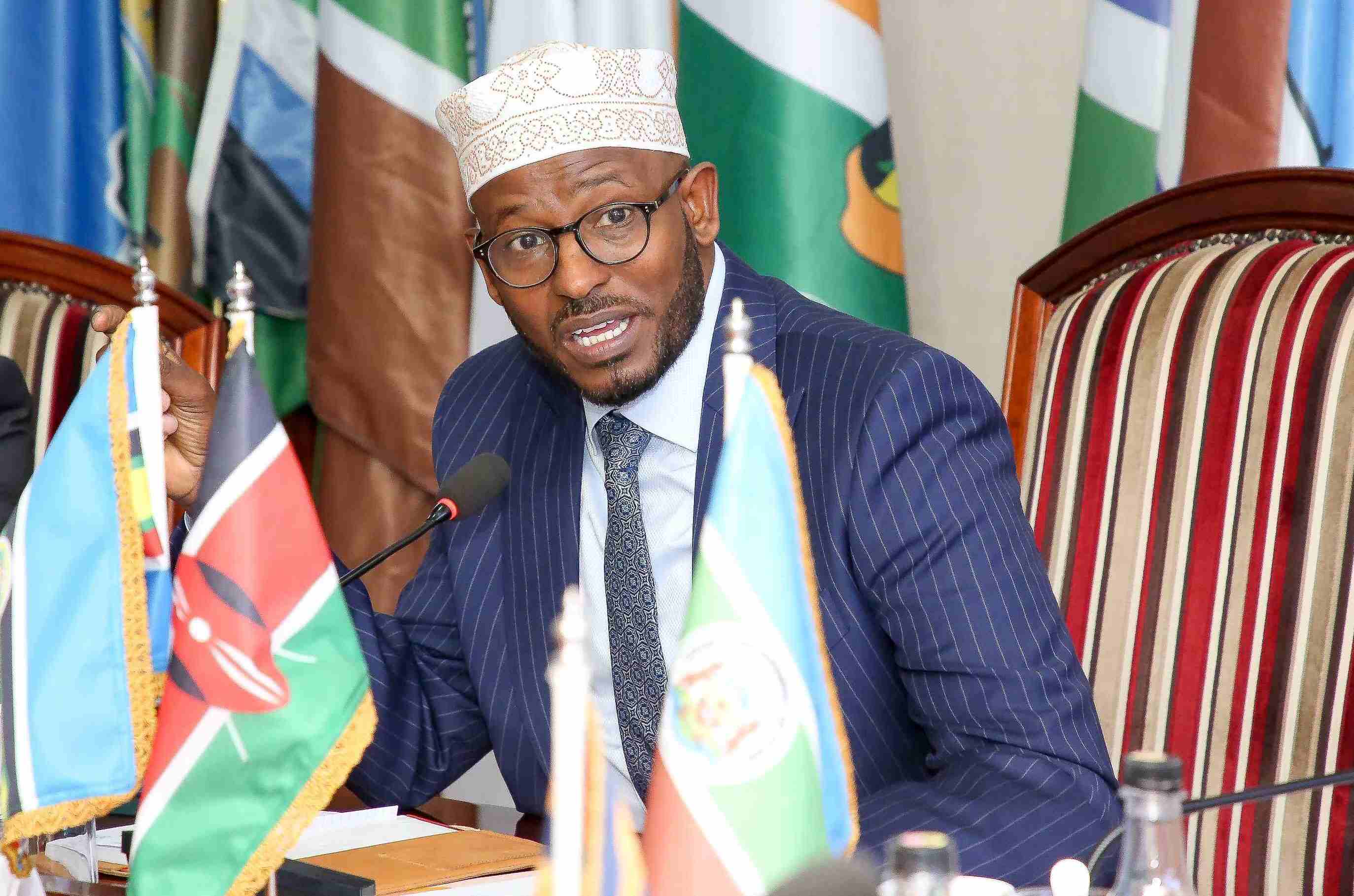
Addressing the media on Thursday, CoG Chairperson Ahmed Abdullahi said delays were caused by the lack of a special code needed to process the payments, which counties had been waiting for from the Ministry of Public Service.
Ahmed said counties had finally obtained the special code, allowing them to pay doctors according to the agreed CBA rates, adding that there was no dispute between county governments and health workers over the matter.
“We are working under constitutional dispensation. By the way, I also saw the doctors threatened to strike. We have absolutely no issue with the Kenya Medical and Practitioners Union (KMPDU). Beginning August next month, will start paying doctors the CBA rates as agreed, and I know there’s an element of arrears. The arrears are not because of us. We had no mechanism to pay. We were waiting for a special code from the Ministry of Public Service,” he said.
He explained that the special code was needed because the new salary rates went beyond what was allowed in the existing Human Resource system.
“We only obtained it now. For one year, we were waiting to get a special code from the Ministry of Public Service to allow us to pay the doctors the agreed rates in the CBA. We have just obtained it. We will pay,” Ahmed said.
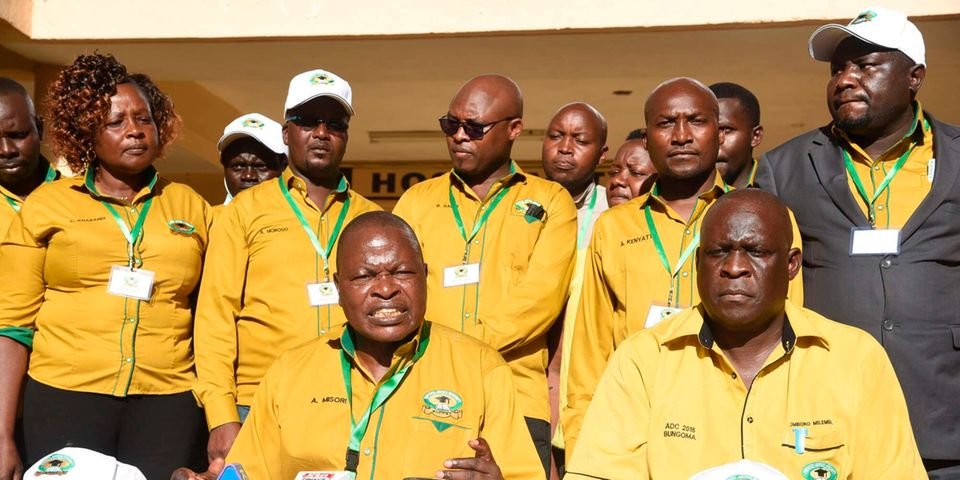
His remarks come after KMPDU threatened a nationwide doctors’ strike if county governments fail to implement delayed basic salary adjustments and clear outstanding arrears under the 2017–2021 CBA.
In a notice dated July 21, KMPDU Secretary General Dr Davji Atellah directed doctors in all 47 counties to check their July payslips, warning that the union would begin industrial action and file contempt of court proceedings against non-compliant accounting officers if the revised salaries are not reflected.
“The strict timelines granted by our Annual Delegates Conference (ADC) on May 9, 2026 have elapsed. Compliance will not be delivered on a silver platter—it must be exacted through our collective strength and solidarity,” Atellah said.
He said all technical challenges had been resolved, saying the special payroll code was issued after engagements involving the Council of Governors, the State Department for Public Service, SRC and the Ministry of Health.
“There is now zero justification for any further delay by any county government or Ministry department,” he said.
Atellah added that KMPDU had followed all legal processes before considering industrial action.
“We have engaged in good faith, followed every legal process, and dismantled every roadblock in our way. We will not allow administrative inertia to rob doctors of their dignity and hard-earned rights,” he said.
The Kenya National Union of Nurses and Midwives (KNUNM) has also issued a seven-day strike notice, warning that nurses and midwives will down their tools on July 29, 2026, if unresolved labour disputes are not addressed.
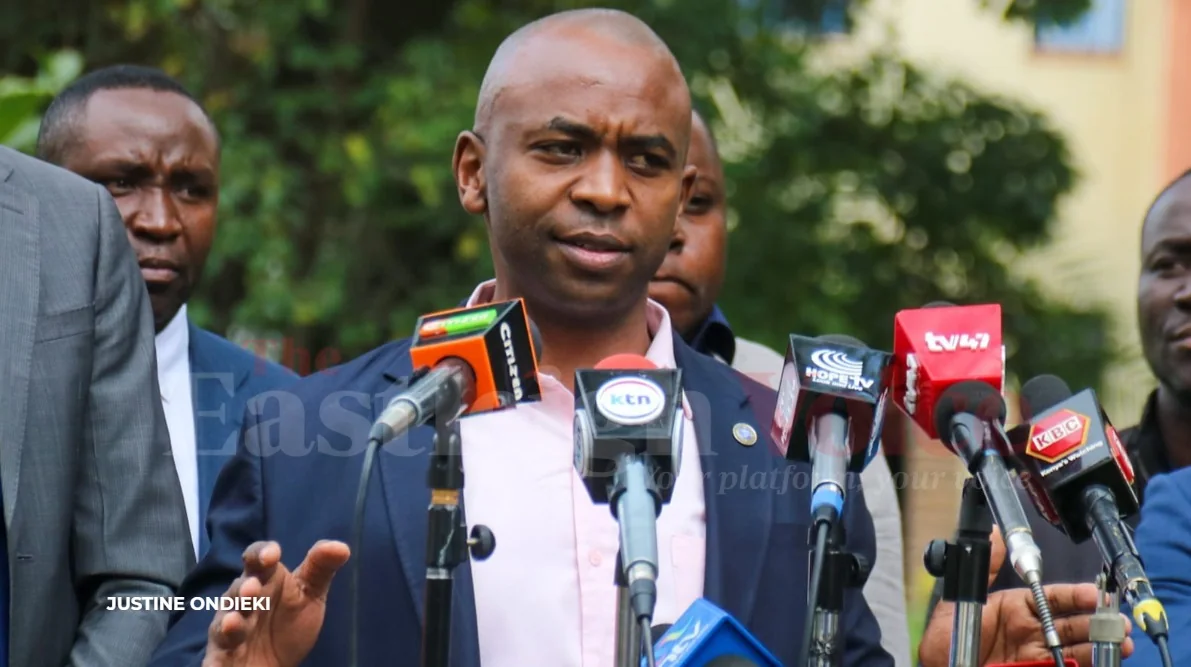
Through General Secretary Seth Panyako, the union said it had notified the CoG, Ministry of Health, SRC, Public Service Commission and all 47 counties of the planned strike.
“The union wishes to bring to your attention the unresolved grievances from our members, which efforts through her representatives have not yielded desired fruits,” Panyako said.
KNUNM listed several concerns, including delays in concluding the 2025-2029 CBA, failure to implement the 2017 Return-to-Work Agreement, delayed absorption of UHC nurses into permanent and pensionable employment, lack of career guidelines and the dismissal of 46 nurses by Kisii County Government in 2021.
“The union demands that the issues raised herein be addressed within seven days from the date of this letter,” Panyako said.
Ahmed, however, dismissed calls to return health services to the national government, saying it would not solve challenges in the sector.
“There is absolutely no conflict whatsoever between the KPMDU and county governments, and the solution is not to return health to the national government. In any case, the national government hospitals are not run any better than the county government,” he said.
He emphasised that transferring health functions back to the national government would require a referendum.
“We have a constitutional dispensation. To take health back to national government from counties requires a referendum. It’s Kenyans who can do that, not us. All we’re saying is let every person keep their part of the bargain. Put this money where we’ve agreed it should be put,” he said.
On UHC workers, Ahmed said the matter could only be resolved through government structures.
“This matter can only be solved through the intergovernmental architecture. It cannot be resolved through demonstrations in the streets. If the national government respected all the agreements that we have had with respect to UHC, there’ll be no UHC worker out there in the streets demonstrating or striking,” he said.
If the nurses’ strike proceeds, public health services across the country could be affected from midnight on July 29, 2026, with outpatient clinics, maternity services and other essential services facing disruptions.

























Comments
Sign in with Google to comment, reply, and like comments.
Continue with Google