China and Russia veto UN Security Council resolution on Strait of Hormuz security
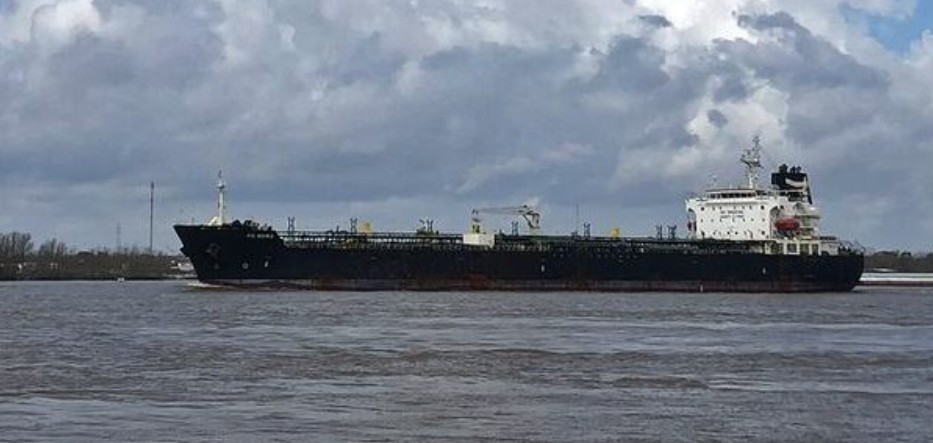
China and Russia veto UN Security Council resolution on Strait of Hormuz security

China vetoed a Bahraini-backed UN Security Council resolution to boost protection for commercial shipping in the Strait of Hormuz, exposing deep divisions over security in the vital oil transit route.

China and Russia used their veto power at the UN Security Council on Tuesday to block a Bahraini-backed resolution aimed at strengthening international cooperation to protect commercial shipping in the Strait of Hormuz.
The 15-member council voted 11 in favour, two against, and two abstained, with Colombia and Pakistan abstaining. The outcome underscored deep divisions among global powers on how to ensure security in this strategically critical waterway.

Drafted by Bahrain with support from Gulf Cooperation Council (GCC) states, the resolution encouraged nations to coordinate defensive measures to safeguard maritime traffic and reaffirmed their right to protect vessels under international law.
The proposal had been significantly weakened from an earlier draft that would have authorised “all necessary means” and invoked Chapter Seven of the UN Charter, permitting sanctions or military action, following opposition from China, Russia, and France.
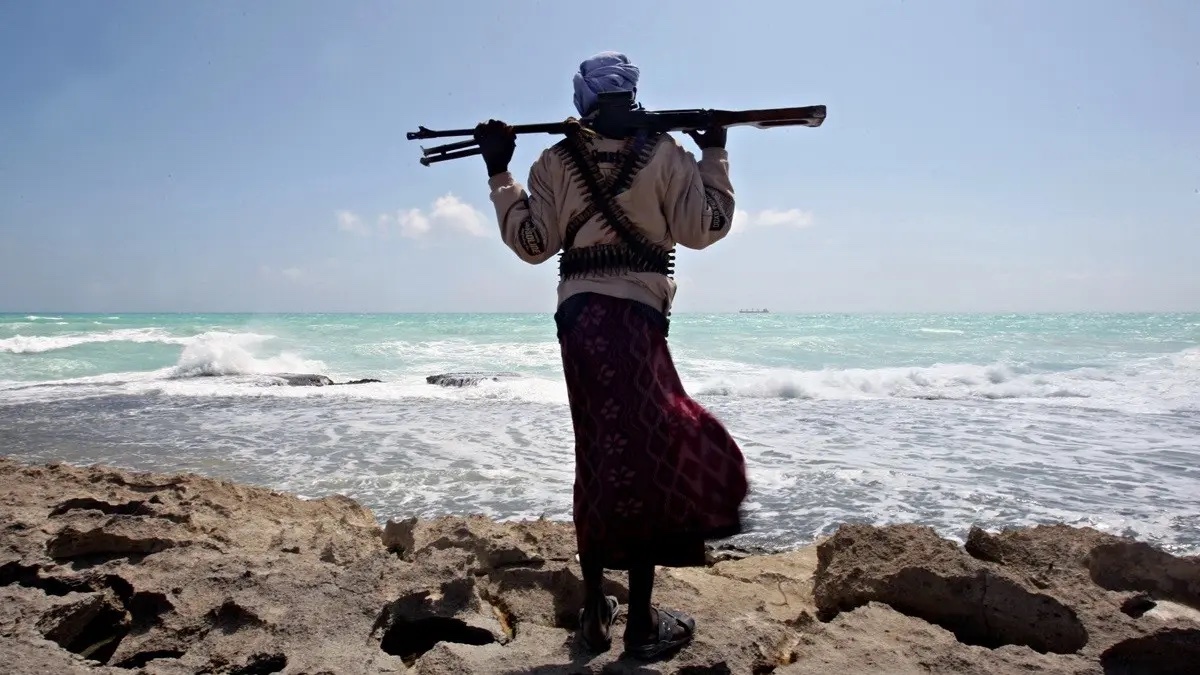
Since February, Iran has effectively blockaded the strait in the aftermath of the US-Israeli conflict, allowing passage only to ships from selected countries, including China, Russia, India, and Pakistan.
Advertisement
The blockade has disrupted global oil flows, with roughly one-fifth of the world’s oil shipments passing through the strait, contributing to rising energy prices and economic uncertainty.
The Security Council vote occurred just hours before US President Donald Trump’s deadline for Iran to reopen the Strait of Hormuz, a condition he linked to the possibility of expanded military strikes.
In a social media post, Trump warned that failure to comply could have catastrophic consequences for Iran’s infrastructure and population. Observers were alarmed as regional tensions intensified.
“A whole civilisation will die tonight, never to be brought back again. I don’t want that to happen, but it probably will,” he wrote.
“We will find out tonight, one of the most important moments in the long and complex history of the World will finally end. God Bless the Great People of Iran!”
Amid these threats, Iran has tightened its control over the strait, restricting access to most commercial traffic and implementing measures that effectively act as transit fees for vessels seeking passage under Tehran’s approval.

Comments

0
Loading comments...

Trending

Latest Stories

Popular Stories This Week