Rights groups warn of rising GBV cases ahead of elections, call for urgent action
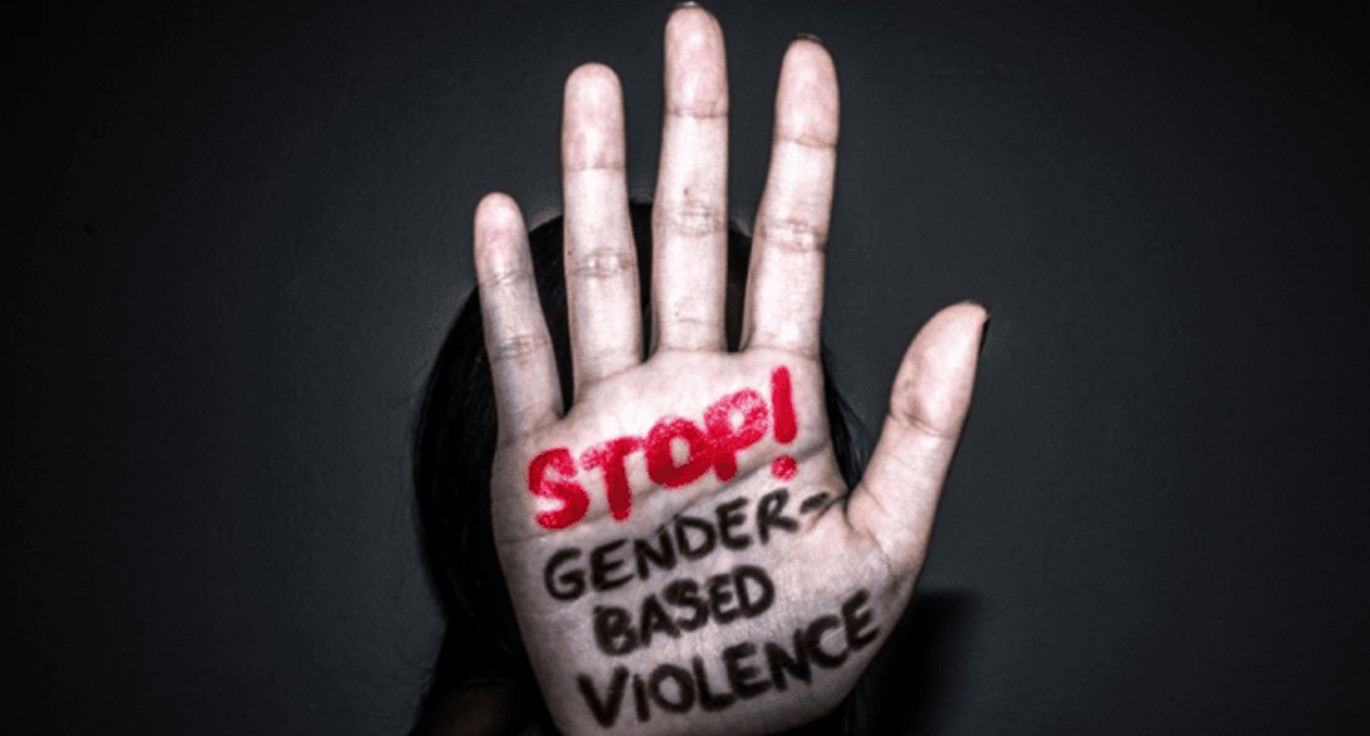
GBV and femicide remain persistent national concerns, with many cases failing to reach official records due to fear, stigma and lack of confidence in justice systems.
Human rights groups have raised concerns over rising Gender Based Violence (GBV) cases in Kenya, warning that women, girls and vulnerable groups continue to face violence in homes, communities, workplaces and online spaces as the country heads to the next election cycle.
According to the Social Justice Centres Working Group (SJCWG), data collected through various reporting platforms shows a worrying increase in cases, with survivors facing challenges in reporting abuse and accessing justice.
The group said recent reports by Human Rights Watch and findings collected through the Haki Lens, a digital human rights violations reporting platform, indicate that GBV and femicide remain persistent national concerns, with many cases failing to reach official records due to fear, stigma and lack of confidence in justice systems.
More To Read
- Beyond the bruises: Why GBV survivors need medical, legal and emotional support
- 𝐄𝐚𝐬𝐭𝐥𝐞𝐢𝐠𝐡 𝐕𝐨𝐢𝐜𝐞 𝐚𝐭 𝐍𝐢𝐧𝐞 - Kenya tightens Ebola surveillance as Eid celebrations unfold nationwide
- Police pursuing 125 femicide cases as GBV crisis deepens across the country
- FIDA, LSK and women MPs give Ruto 40-day ultimatum over rising femicide crisis
- Government launches 90-day rapid response plan to tackle GBV, femicide surge
- Murkomen vows justice for gospel artist Rachel Wandetto, who died after petrol attack
SJCWG said the growing crisis has not emerged suddenly, noting that civil society organisations, human rights defenders and community networks have repeatedly warned the State about the increase in violence.
“The tragedy is that this crisis did not emerge overnight. The State has repeatedly been warned by civil society organisations, human rights defenders, and community networks that GBV was steadily increasing. Yet the response has often been reactive rather than preventive,” the group said.
It added that law enforcement agencies are dealing with multiple security and governance challenges, leaving some survivors feeling abandoned when they seek justice and support.
Latest Stories
- Ruto signs Finance Bill 2026 into law, clearing path for Sh4.8 trillion budget implementation
- Gachagua urges Gen Z to skip June 25 protests, warns of possible violence
- Drone strikes shut down critical services in Sudan's El Obeid
- 348 protest victims to receive Sh448.7 million in compensation in first phase of reparations programme
Data gathered through the Haki Lens system by the Social Justice Movement shows that GBV cases continue to rise across different communities. Community monitors reported that many survivors are hesitant to report abuse because they fear being dismissed, blamed or subjected to long delays without meaningful follow-up.
The group warned that the silence surrounding many cases gives perpetrators room to continue committing violence while survivors suffer without support.
“National statistics and independent reports paint a similar picture. Cases of sexual violence, domestic abuse, and femicide continue to be reported across the country, while experts warn that many more incidents remain undocumented due to underreporting and weak support systems,” the organisation said.
According to the group, survivors often face several barriers, including stigma, intimidation, poor investigations and limited access to psychosocial and legal support.
As Kenya approaches another election period, SJCWG expressed concern that political tensions, economic challenges and weakened community protection systems could increase the risks faced by women and other vulnerable groups.
“The State must act now. Strengthening gender desks, improving investigations, ensuring survivor protection, supporting shelters, and holding perpetrators accountable should not be optional commitments but national priorities,” the group said.
The organisation said GBV should be treated as a wider human rights concern rather than an issue affecting women alone, warning that delays in responding to cases continue to expose survivors to further harm.
“GBV is not merely a women’s issue; it is a human rights crisis and a threat to social justice. Every delayed response, ignored report, or failed investigation emboldens perpetrators. Kenya cannot afford to wait until the numbers become even more alarming. The time for decisive action is now,” the group said.
Top Stories Today

























Comments
Sign in with Google to comment, reply, and like comments.
Continue with Google