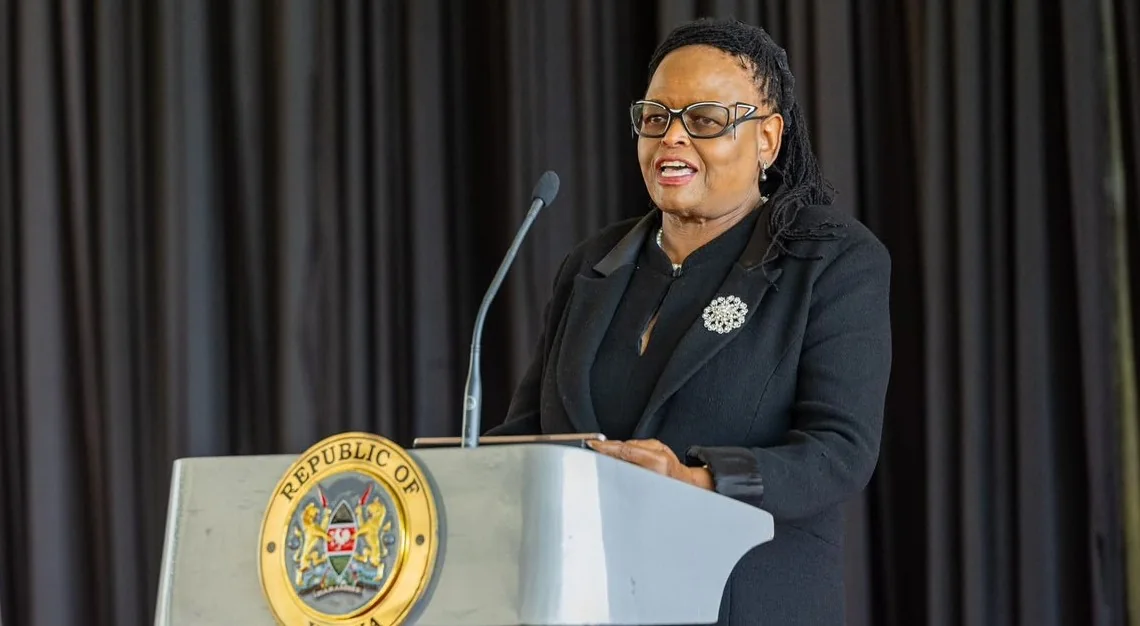
Chief Justice Martha Koome has urged Kenyans to reflect on the nature of demonstrations in the country, pointing to recent peaceful public gatherings as proof that constitutional rights can be exercised without violence.
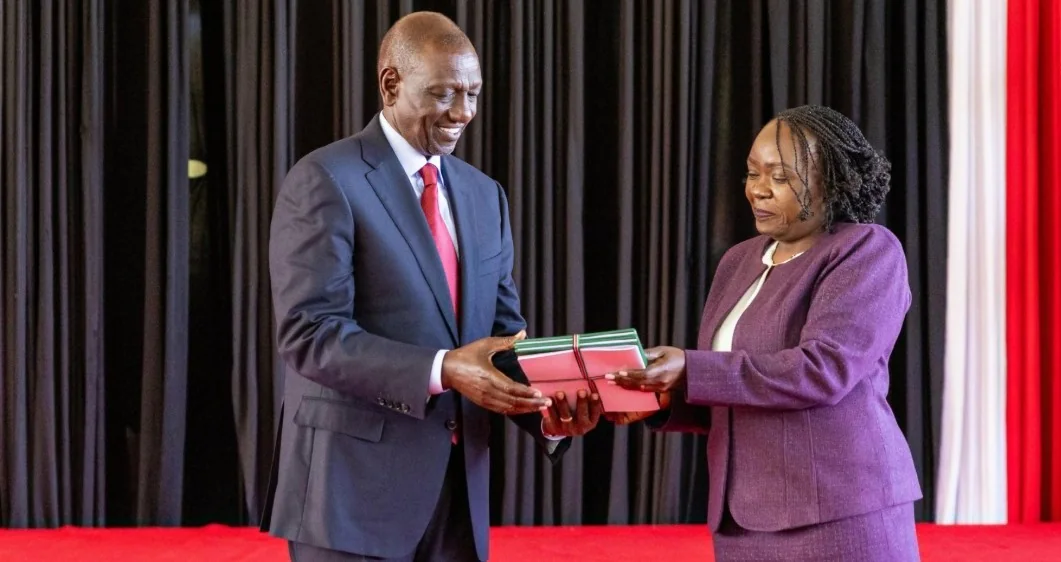
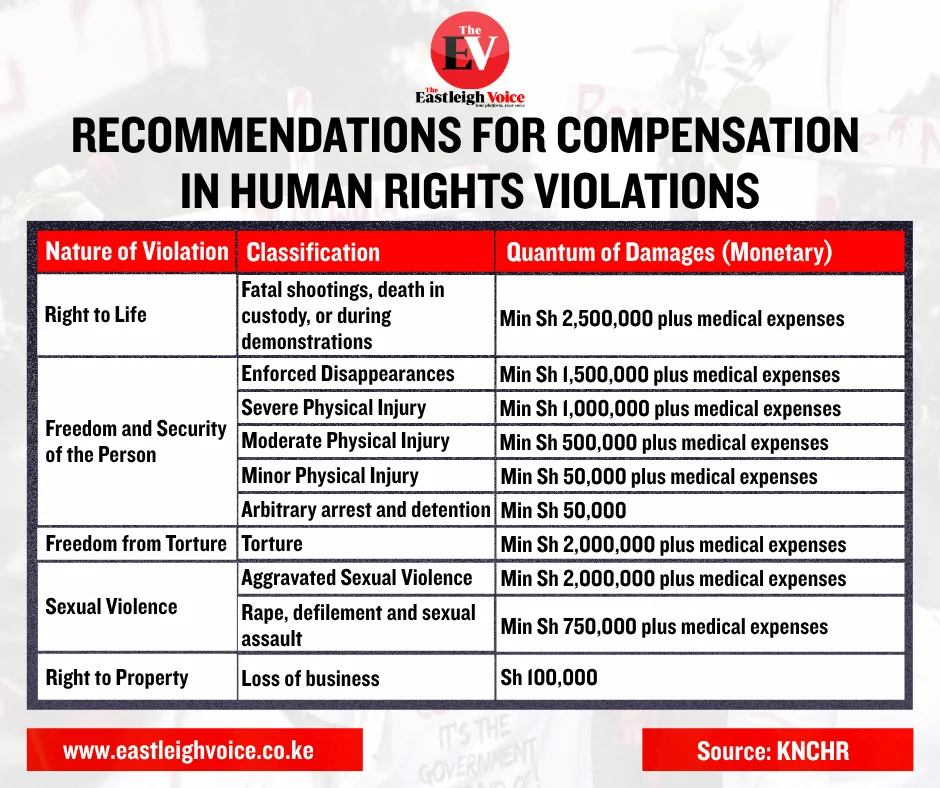
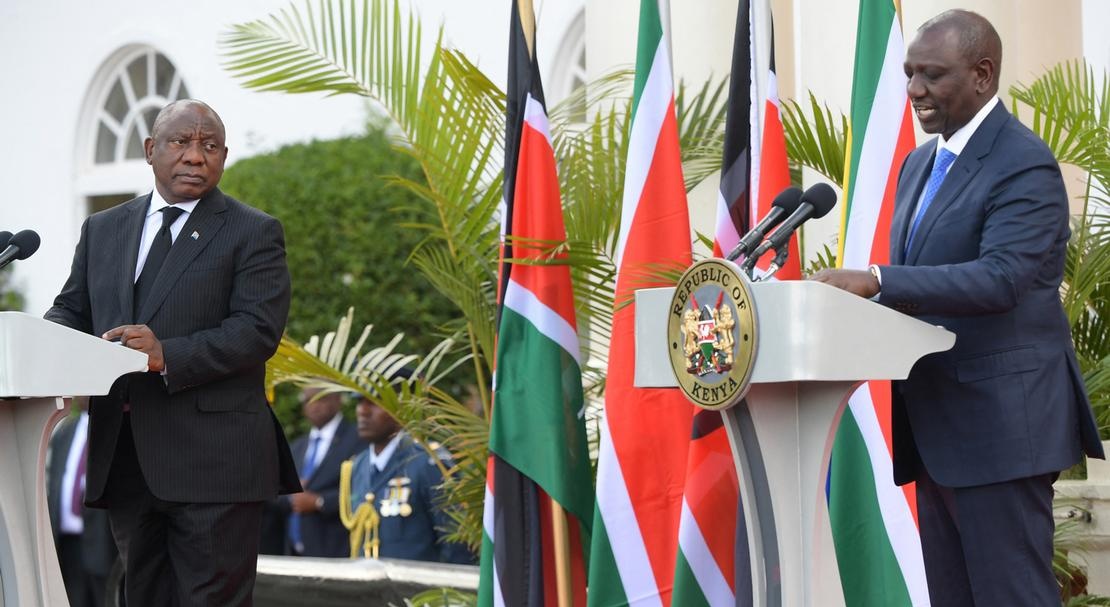
Speaking during the presentation of the Kenya National Commission on Human Rights (KNCHR) report on the framework for compensation and reparation for victims of human rights violations at State House, Nairobi, Koome said the occasion marked a critical moment in Kenya's constitutional journey. She noted that the country was not only implementing rights guaranteed under the Constitution but also addressing how to respond when those rights are violated.
She stressed that the exercise of constitutional rights should never put lives at risk.
“I agree with all the speakers who have spoken that when you go out to exercise your constitutional rights your life cannot be endangered,” she said.
Koome said institutions under the National Council on the Administration of Justice (NCAJ), where she serves as a key duty bearer, had been examining the nature of demonstrations in Kenya and had identified examples of peaceful protests that could guide national reflection.
“We have peaceful demonstrations in this country that we can draw experiences from,” she said. “I am not a football fan, so I don’t know about Arsenal, but I know doctors demonstrate, and they do so peacefully. I know teachers demonstrate, and they do so peacefully. Even lawyers.”
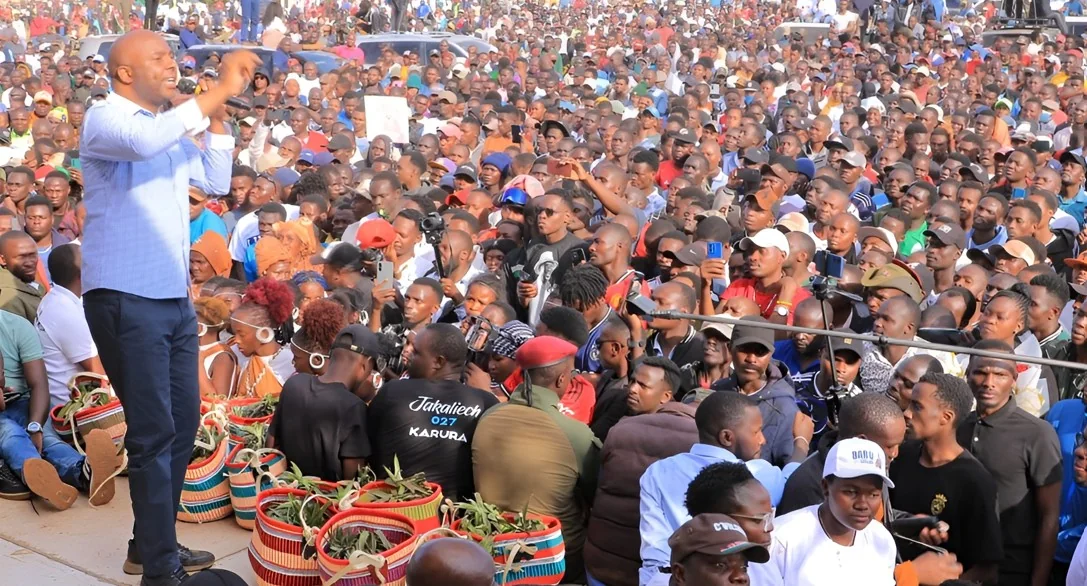
Her remarks came in response to National Assembly Majority Leader Kimani Ichung’wah, who cited a recent procession by thousands of young people through Nairobi's Central Business District as an example of how large public gatherings can remain orderly and non-violent.
“Recently, we saw droves of thousands of young people right in the middle of our central business district. They had their procession, celebrated and left without anybody being stolen from or anybody's shop being looted without a single vehicle being stoned and without a single person amongst those in that procession getting injured, arrested or even killed,” Ichung’wah said.
Koome added that she had been reflecting on the evolution of civic action in Kenya through discussions with other leaders, recalling her own participation in demonstrations in 1989 during the campaign for the repeal of Section 2A of the Constitution.
She said Kenya's current constitutional framework was shaped through such struggles, describing the Constitution as the product of demonstrations and civic engagement that secured fundamental rights and freedoms.
“The Constitution that we are building and breathing life into today is a chapter that was fought for with demonstrations,” she said, adding that the current moment represents a celebration of a transformative constitutional order that recognises the rights of all who contributed to its realisation.
Koome further emphasised that the Bill of Rights guarantees every person the full enjoyment of fundamental rights and freedoms, while placing an obligation on all state organs and public institutions to respect, protect and fulfil those rights.
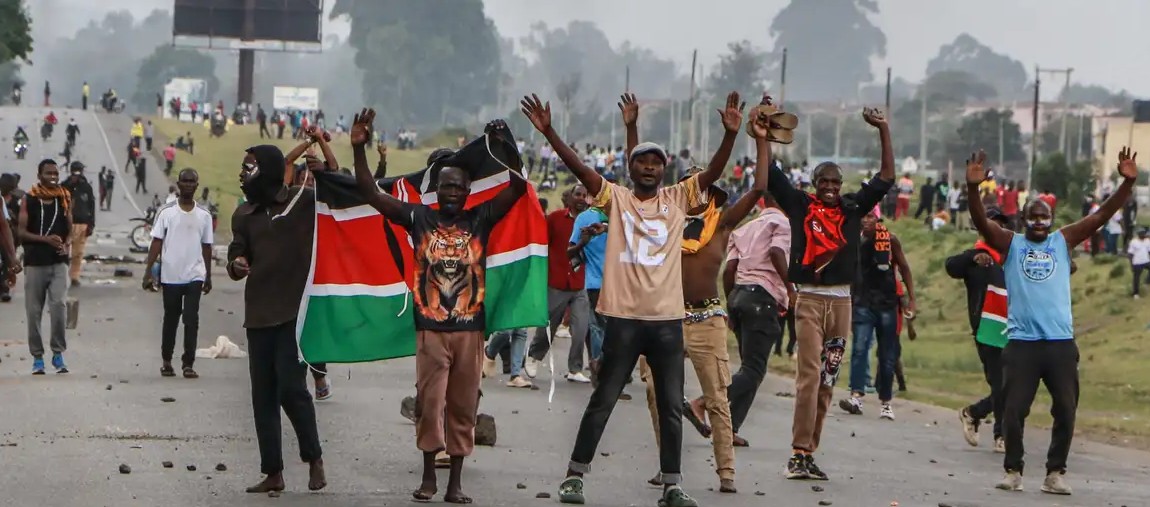
She observed that demonstrations in Kenya that carry political undertones are more likely to turn violent than other forms of public protests.
The Chief Justice also thanked the Kenya National Commission on Human Rights for its report, saying it offers clear guidance on building a more harmonious society through accountability, apologies where wrongdoing has occurred, and inclusive dialogue.
She noted that both the Constitution and international human rights law recognise the right to a remedy as a fundamental right, adding that victims of human rights violations are entitled to access justice and receive appropriate and effective redress.



































Comments
Sign in with Google to comment, reply, and like comments.
Continue with Google