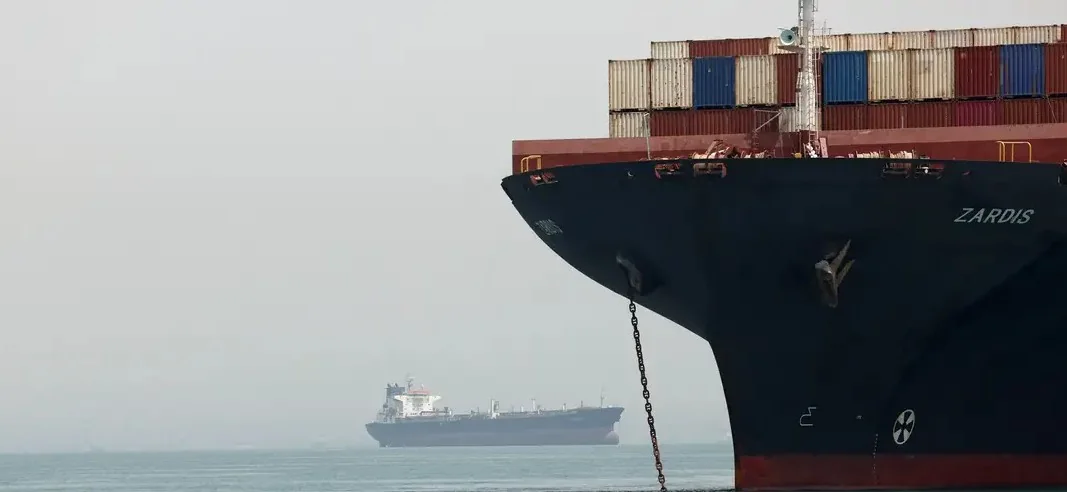
World leaders have expressed optimism over a tentative peace deal between the United States and Iran, which includes provisions for an immediate ceasefire and the reopening of the Strait of Hormuz, a critical global shipping route.
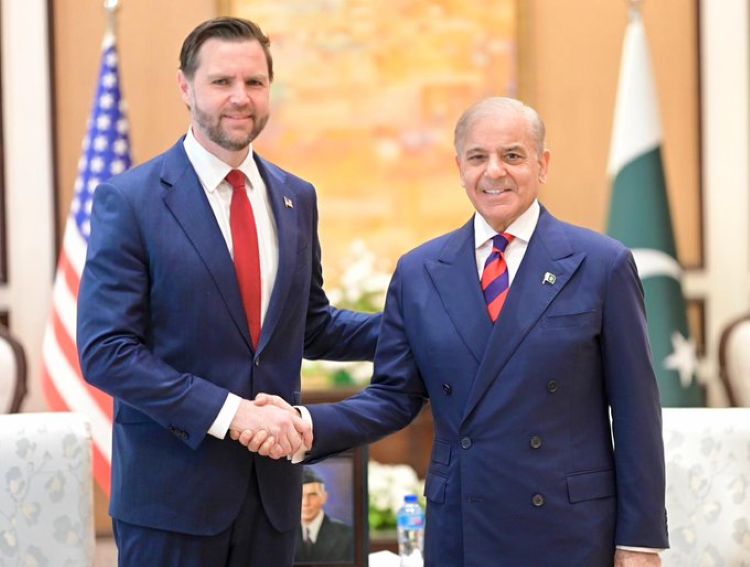
Pakistani Prime Minister Shehbaz Sharif, whose country played a key mediating role in the talks, announced the preliminary agreement earlier on Monday, describing it as a historic breakthrough. Addressing lawmakers, he said, “Today, the world has seen a historic step toward peace. After the darkness of war, the sun of peace has risen.”
China also welcomed the development, with a Foreign Ministry spokesperson saying Beijing “welcomes the agreement” and appreciated Pakistan’s mediation efforts. China further expressed hope that “safe and free passage through the strait will be restored as soon as possible,” underscoring the strategic importance of the waterway to global trade.
Saudi Arabia said the ceasefire should serve as a foundation for broader negotiations, stressing that any final agreement must protect regional security interests and respect the principle of non-interference. Neighbouring Qatar, which relies heavily on the Strait of Hormuz for gas exports, also welcomed the announcement, calling it “an important step toward consolidating sustainable peace and promoting economic growth regionally and internationally.”
European leaders backed the deal but urged swift implementation. European Commission President Ursula von der Leyen said the “priority now is its swift and full implementation,” calling for the immediate restoration of toll-free transit through the Strait of Hormuz and a wider ceasefire framework that includes Lebanon. She also warned that “there can be no peace in the Middle East while Lebanon is in flames.”
British Prime Minister Keir Starmer described the development as a “significant breakthrough,” though he cautioned that lasting peace was not yet guaranteed. “Hopefully, something which as we work together we can turn into that enduring peace that we all want to see,” he said.
Earlier reactions from German Chancellor Friedrich Merz and French President Emmanuel Macron similarly emphasized that the agreement must be implemented “with determination” and “swiftly and fully.”
UN human rights chief Volker Türk also welcomed the announcement, calling it a “fragile moment” and urging all parties to exercise maximum restraint. He backed the ceasefire framework, including the reopening of the Strait of Hormuz, and called for investigations into possible violations of international law while also pushing for an end to hostilities in Lebanon.
Separately, Iranian Foreign Minister Abbas Araghchi held a series of phone calls with his Turkish, Egyptian and Iraqi counterparts to discuss the ceasefire announcement. Turkey’s Foreign Minister Hakan Fidan expressed cautious optimism but warned against potential “provocations” that could derail the agreement. Araghchi, meanwhile, insisted that Israeli attacks in Lebanon must stop under the terms of the deal.
The developments come as regional and global powers cautiously watch whether the agreement can hold and translate into a durable peace framework.

























Comments
Sign in with Google to comment, reply, and like comments.
Continue with Google