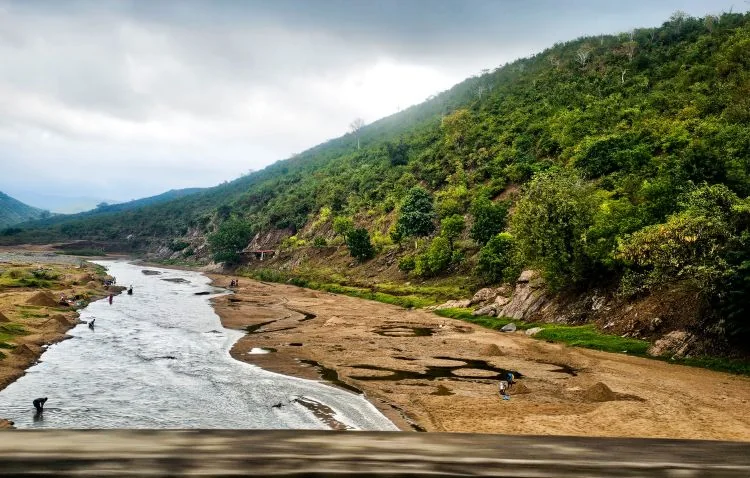
The European Union (EU) and the International Organisation for Migration (IOM) have launched a regional programme to help Southern African countries predict, prevent, and better respond to climate‑induced displacement as cyclones, floods, and droughts continue to uproot hundreds of thousands of people.
The Regional Responses to Climate Displacement in Sub‑Saharan Africa (RE2CLID) programme will be funded by the EU and implemented by IOM in partnership with governments and stakeholders across the region. It aims to strengthen preparedness, improve data and forecasting systems, and support solutions that reduce displacement risks before disasters strike.
The programme will be carried out in close collaboration with national and local authorities, including ministries, government departments, district councils, and traditional leaders. It will also engage regional organisations such as the Southern African Development Community (SADC) and the Indian Ocean Commission (IOC), alongside international and civil society partners, to promote coordinated and locally driven responses.
Climate‑related displacement continues to rise across the region. IOM data shows that Sub‑Saharan Africa recorded 17.3 million internal displacements in 2025, including 2.9 million linked to disasters. Southern Africa remains particularly exposed, with the 2024–2025 cyclone season triggering more than 826,000 displacement movements.
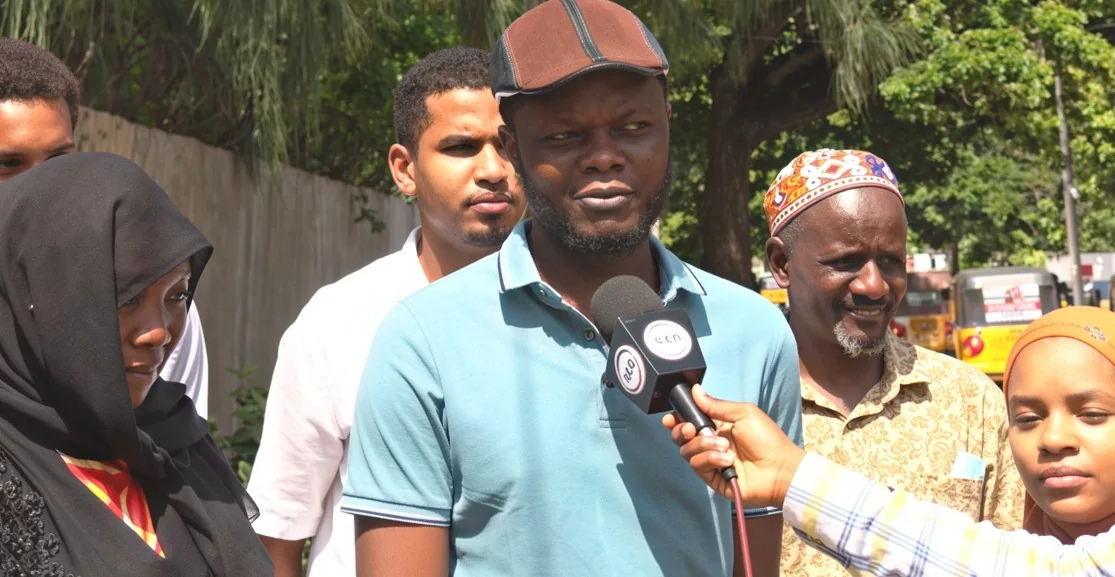
Modestar Stoken, a community representative from Mangochi, shared how recent flooding forced many families to start over after losing their homes and land.
“The floods were far worse than anything we had experienced before. Many families lost their homes and can no longer return to where they once lived. We are grateful to have been allocated land to start again, but we still need support to rebuild our lives,” she said.
“Communities across Southern Africa are already living with the consequences of a changing climate. Families are losing homes, livelihoods and, in some cases, the ability to remain where they have lived for generations. This programme will help governments and communities better anticipate displacement risks, strengthen preparedness and take action before people are forced to move,” IOM Chief of Mission in Malawi, Fatma Said, added.
Among the regions most affected is the Southern Africa and South‑West Indian Ocean (SAIO) cluster, comprising Comoros, Madagascar, Malawi, Mauritius, Mozambique, and Seychelles.
The programme also emphasises regional cooperation through strengthened coordination, knowledge sharing, and joint planning. Participating countries will work together to address common challenges and develop harmonised approaches to managing climate‑related mobility.
“The RE2CLID Programme reflects the European Union’s commitment to building climate resilience by working closely with national institutions and local communities. By linking data, financing and implementation, the programme addresses a critical gap in current climate and disaster response systems related to climate‑induced displacement,” the EU Ambassador to Malawi, Daniel Aristi Gaztelumendi, said.
























Comments
Sign in with Google to comment, reply, and like comments.
Continue with Google