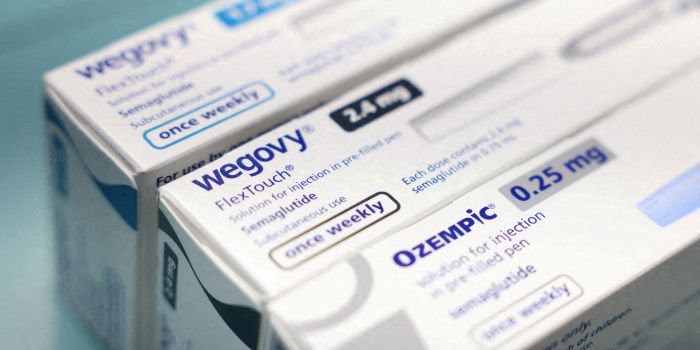
The United Kingdom’s Medicines and Healthcare products Regulatory Agency (MHRA) has approved semaglutide (Wegovy) for adults with metabolic-associated steatohepatitis (MASH) who have moderate-to-advanced liver fibrosis, a condition in which scar tissue gradually builds up in the liver.
MASH is a severe form of fatty liver disease that develops when excess fat accumulates in the liver, causing ongoing inflammation and damage. Over time, this inflammation leads to scarring, known as fibrosis, which reduces the liver’s ability to function. If the disease continues to progress, it can result in cirrhosis, liver failure, or the need for a liver transplant.
People living with obesity, type 2 diabetes, high cholesterol, or other metabolic conditions are at a higher risk of developing MASH. Because the disease often has few or no symptoms in its early stages, many people are unaware they have it until significant liver damage has already occurred.
Semaglutide has already been approved in many countries to help adults manage obesity and reduce the risk of serious cardiovascular events. It belongs to a group of medicines known as GLP-1 receptor agonists, which work by mimicking a natural hormone released after eating. This hormone helps people feel full for longer, reduces appetite, and lowers food cravings, making it easier to lose weight and improve blood sugar control.
Health regulators said available evidence shows that semaglutide is a safe and effective treatment for patients with MASH when used together with a healthy diet and regular physical activity. However, it is a prescription-only medicine and should only be taken under the supervision of a healthcare professional.
Treatment begins with a low weekly dose that is gradually increased over several weeks until patients reach the recommended maintenance dose. This gradual increase helps reduce common side effects such as nausea and stomach discomfort.
The approval has been granted on a conditional basis, meaning researchers must continue providing evidence from ongoing clinical trials to confirm the medicine’s long-term safety and effectiveness for treating MASH. The MHRA said it will continue reviewing new data every year before deciding whether to grant full approval.
The decision comes at a time when medicines such as semaglutide have attracted worldwide attention because of their growing popularity for weight loss. While many people have benefited from the drugs, their rapid rise in demand has also raised concerns over misuse for cosmetic weight loss, reports of side effects, and shortages affecting patients who rely on them to treat obesity and type 2 diabetes.
The most commonly reported side effects of semaglutide include nausea, vomiting, diarrhoea, constipation, and other stomach-related problems. Health experts advise patients to seek medical advice if they experience persistent or severe side effects while taking the medication.
According to the World Health Organisation (WHO), about one in three adults worldwide is living with metabolic dysfunction-associated steatotic liver disease (MASLD), formerly known as non-alcoholic fatty liver disease.
Around 20-25 per cent of these people progress to metabolic-associated steatohepatitis (MASH), the more severe form of the disease that causes liver inflammation and scarring. This means that roughly 5 per cent of the global adult population is estimated to have MASH.

















































Comments
Sign in with Google to comment, reply, and like comments.
Continue with Google