The families of Ethiopian migrants facing execution in Saudi Arabia say they are living in constant fear as rights groups warn that scores of Ethiopians remain at imminent risk of execution following convictions for drug-related offences, according to a report by Middle East Eye.
The report says as many as 200 Ethiopian nationals are currently on death row in Saudi Arabia, with dozens reportedly facing imminent execution after trials that detainees and human rights organisations say failed to meet basic due process standards.
According to Middle East Eye, eight Ethiopian nationals have been executed in recent months. Three Ethiopians from the Tigray region, identified as Kibrom Gebremariam, Tsigabu Hagos, and Kidane Angesom, were executed on April 21 at Khamis Mushait detention centre in Saudi Arabia’s Aseer Province, while five others were executed on June 23.
The publication reported that several Ethiopian prisoners held at the facility said they had been convicted on drug-related charges after being forced to sign documents written in Arabic without interpreters or adequate legal representation.
One detainee told Middle East Eye that he was made to sign documents he could not read after Saudi authorities accused him of possessing narcotics. Another prisoner described living in constant fear, saying inmates panic whenever guards enter the prison to call out names, fearing they may be taken for execution.
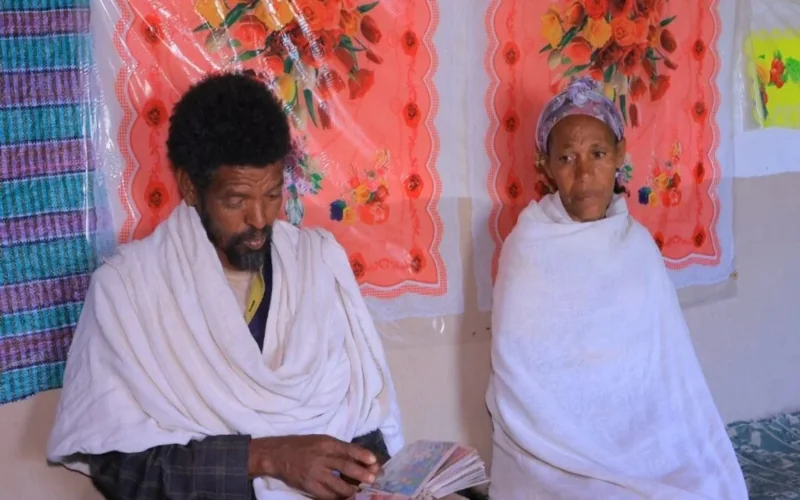
According to the report, many of those on death row are Ethiopian migrants from the Tigray region who travelled to Saudi Arabia through Yemen in search of employment after fleeing conflict and economic hardship.
Citing Amnesty International, Middle East Eye reported that Saudi Arabia has executed nearly 100 people this year, including at least 61 for drug-related offences. Amnesty warned that at least 63 Ethiopians held in a single ward at Khamis Mushait prison are at “imminent risk of execution” for non-violent drug offences.
Yared Hailemariam, an Ethiopian human rights advocate, told Middle East Eye that foreign nationals sentenced to death in Saudi Arabia are routinely subjected to “grossly unfair trials.”
The report also cited Human Rights Watch, which called on Saudi Arabia to halt the executions. Nadia Hardman, the organisation’s senior refugee and migrant rights researcher, said executing foreign migrants for non-violent offences following proceedings that fail to meet basic standards of due process reflects “a profound disregard for their rights and lives.”
According to Middle East Eye, religious leaders in Ethiopia, including bishops from the Catholic and Orthodox churches in Tigray, as well as the president of the Tigray Interim Administration, have appealed to Saudi authorities to grant clemency to Ethiopian prisoners.
The report said many families are still waiting for the return of the bodies of relatives who have already been executed, while parents of detainees continue to appeal for urgent international intervention to prevent further executions.
The report comes amid growing concern in Ethiopia over the treatment of Ethiopian migrants and detainees in Saudi Arabia, particularly following reports of executions, death sentences, and deteriorating conditions facing Ethiopians in the Kingdom.
On 15 May 2026, Addis Standard reported that the Holy Synod of the Ethiopian Orthodox Tewahedo Church had called on Ethiopian authorities and the international community to uphold “human rights, mercy and justice” for Ethiopian citizens living abroad, with particular focus on those in Saudi Arabia and South Africa.
The appeal followed the Church’s Rikbe Kahnat (General Assembly), held from 06 to 14 May 2026, during which the Synod discussed a range of national, humanitarian, and religious issues. In its statement, the Synod urged coordinated efforts to safeguard the rights and dignity of Ethiopians overseas as reports continued to emerge of executions, detentions, and attacks targeting Ethiopian migrants.
Similarly, Addis Standard reported in May 2026 that the Ethiopian Catholic Bishops had appealed to the Saudi government to halt the execution of Ethiopian nationals, warning that hundreds of Ethiopians in the Kingdom were at risk of death sentences.
In a pastoral message issued on 21 May 2026, the Bishops called for the protection of the “human dignity and lives” of Ethiopian migrants worldwide, highlighting the dangers faced by those travelling through irregular migration routes to Saudi Arabia, Yemen, Lebanon, and other Gulf states.
They said many migrants endure imprisonment, abuse, human trafficking, forced labour, and risks associated with armed conflict, stressing that the suffering of Ethiopian migrants “goes beyond mere numbers” and reflects the plight of individuals who leave home in search of better opportunities.












































Comments
Sign in with Google to comment, reply, and like comments.
Continue with Google