IGAD pushes regional action to tackle plastic pollution
Listen
Read this story aloud
Listen to the clean text version of this article.
Global plastic production has increased from 2 million metric tons in 1950 to 414 million metric tons in 2023 and is projected to reach 736 million metric tons by 2030.
More To Read
- Experts urge early warning investments to avert climate disasters in Horn of Africa
- IGAD urges immediate ceasefire in Sudan's El Obeid region amid escalating violence and drone attacks
- IGAD urges stronger refugee protection as millions displaced amid shrinking aid
- IGAD condemns Somaliland Jerusalem embassy, stresses respect for Somalia’s sovereignty
- Probiotics: How to make kimchi at home for a natural body cleanse
- African leaders urged to protect oceans as fish stocks decline, pollution grows
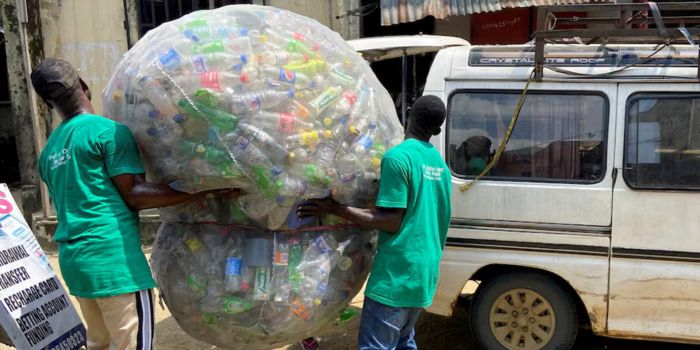
IGAD notes that the increasing production and poor management of plastic waste continue to pose significant environmental and health challenges.
Latest Stories
- CS Mbadi defends government's Safaricom share sale as lawful and transparent
- Malian army reports attempted attacks on multiple military positions
- Slum residents urged to adopt 'localised solutions' to mitigate climate change effects
- 60 more Kenyans arrive home from South Africa as government steps up evacuations
The document also highlights growing public health concerns, stating that "Plastic products break down into microplastics (<5 mm) and nanoplastics (<1 mm), which have been identified in the water we drink, the air we breathe, and the food we eat". It further notes that the particles have been found in the human digestive tract, lungs, blood and placenta and "have been linked to diseases such as cancer."
According to IGAD, Africa produces about 17 million tons of plastic annually, representing about 5 per cent of global production, but continues to experience significant plastic pollution due to poor waste management and the widespread use of single-use plastics.
An inventory of chemicals and plastic pollutants conducted in Djibouti, Kenya, Somalia and Sudan found that plastic pollution was a major problem across the four coastal IGAD member states.
The assessment found plastics accounted for more than 70 per cent of waste along the coastline on average and recommended the development of a regional strategy and action plan based on a Circular Economy Model.
Top Stories Today



































Comments
Sign in with Google to comment, reply, and like comments.
Continue with Google