Manufacturers call for reforms to cut cost of doing business in Kenya

Listen
Read this story aloud
Listen to the clean text version of this article.
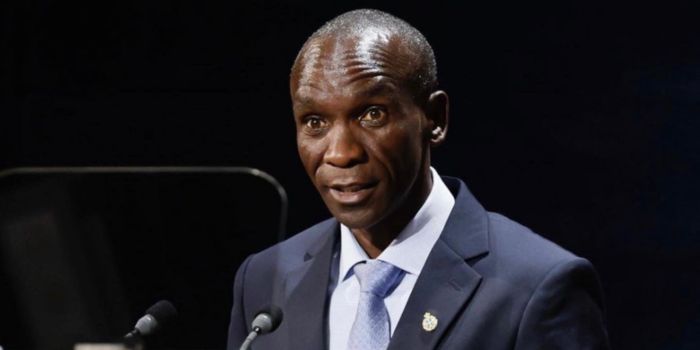
Tobias Alando singled out the high cost of electricity as one of the biggest constraints facing manufacturers, noting that expensive power continues to erode the ability of local firms to compete in both domestic and export markets.
KAM Chief Executive Officer Tobias Alando said Kenya has significant potential to become a manufacturing powerhouse, but only if longstanding structural challenges are addressed.
Alando singled out the high cost of electricity as one of the biggest constraints facing manufacturers, noting that expensive power continues to erode the ability of local firms to compete in both domestic and export markets.
More To Read
- Young entrepreneurs showcase businesses as Changamka Festival opens in Mombasa
- Mombasa showcases coastal heritage as Our Ocean Conference draws global visitors
- Finance Bill 2026: Manufacturers push for excise overhaul on packaging, diapers and food inputs
- Manufacturers push for clean energy shift with new accelerator programme
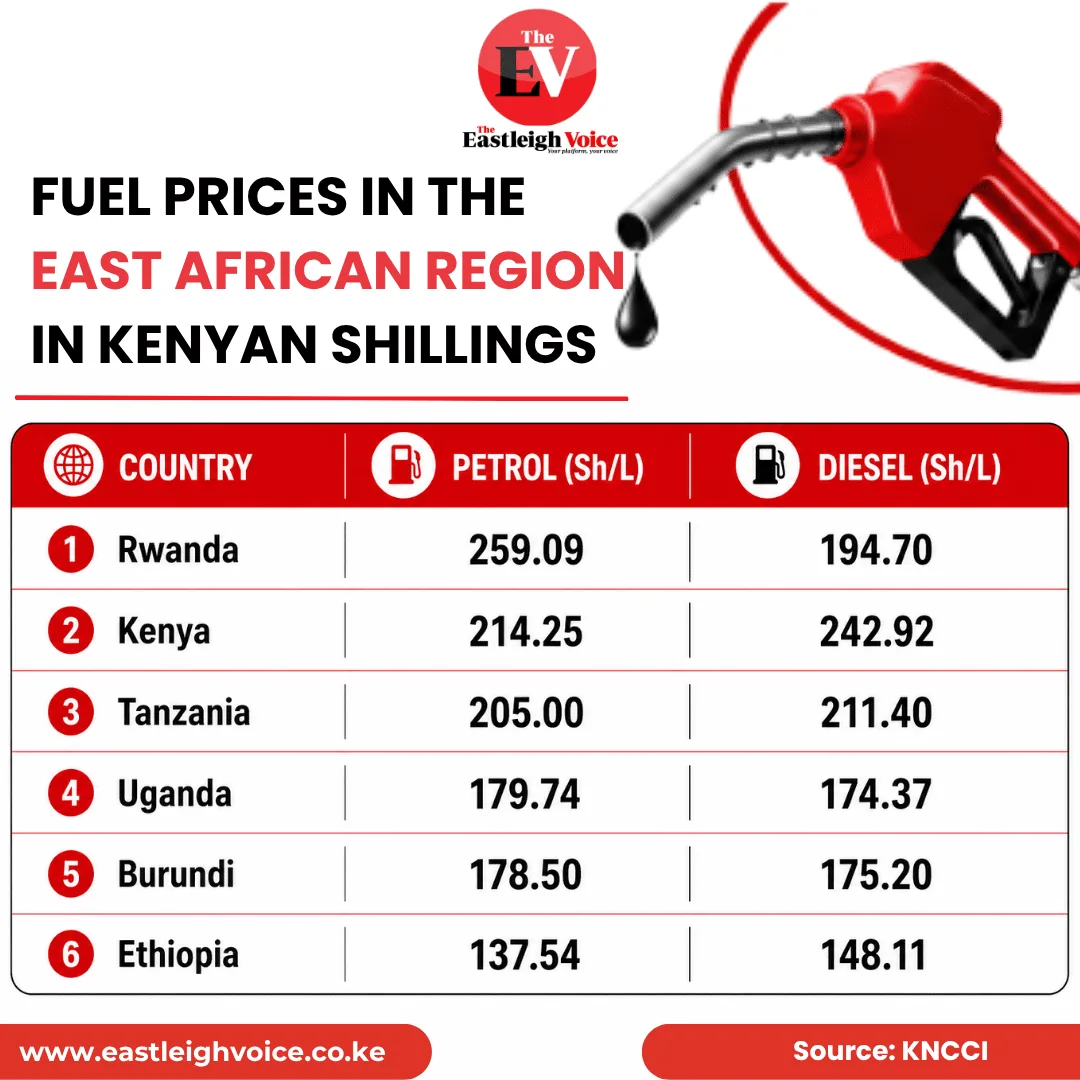
- Manufacturers call for fuel tax review as pump prices hit record highs
- FedEx, KAM push for urgent logistics reforms to boost Kenya’s export competitiveness
“We have opportunities in this country to impact the world through manufacturing positively, but we must address corruption, reduce production costs and create an enabling business environment,” Alando said.
He spoke in Mombasa during a three-day shopping festival that brought together manufacturers from across the country to showcase Made-in-Kenya products and promote direct linkages between producers, buyers and investors. The event also served as a platform for industry stakeholders to push for policy reforms aimed at strengthening the manufacturing sector.
Manufacturers at the exhibition urged both national and county governments to introduce special electricity tariffs for industries, streamline licensing procedures and improve transport infrastructure to reduce production costs.
Latest Stories
- UK, France agree with Oman on multinational military mission to secure Strait of Hormuz
- What Kenya's record Sh1.82 trillion forex reserves mean for the economy
- Messi is old, short and slow: How is he still dominating at the World Cup?
- 16 CITAM Woodley pupils stable after bee attack during Lake Baringo tour
They also called for the removal of non-tariff barriers and harmonisation of county regulations, arguing that inconsistent rules continue to create inefficiencies and increase the cost of operations.
KAM Coast Region Chairman Abdalla Athman said unreliable utilities and persistent traffic congestion, particularly in port areas, were making Kenyan goods less competitive in regional markets. He noted that delays in cargo movement and infrastructure bottlenecks continue to affect efficiency in Mombasa, a key logistics hub.
Mombasa Governor Abdulswamad Nassir said the county government is working with stakeholders, including the Kenya Ports Authority (KPA), to improve cargo handling and ease congestion.
He said plans are underway to establish a marshalling yard to streamline truck operations and introduce electronic traffic systems to improve efficiency.
Top Stories Today







































Comments
Sign in with Google to comment, reply, and like comments.
Continue with Google