Kenya's foreign exchange reserves have climbed to a new record high, strengthening the country's economic outlook in the near term.
The latest figures from the Central Bank of Kenya (CBK) show the reserves stood at $14,047 million (Sh1.82 trillion) during the week ending July 2.
This is equivalent to six months of import cover, marking the highest level on record.
“This meets CBK's statutory requirement to endeavour to maintain at least 4 months of import cover,” CBK said in its weekly bulletin.
The milestone comes as the country continues to receive strong foreign currency inflows from major financial transactions and multilateral lenders.
Ideally, the expanded reserve buffer means Kenya now has a stronger cushion against unforeseen global market disruptions.
In the event of external shocks such as supply chain interruptions, geopolitical tensions or sharp increases in global commodity prices, for instance, the country would have sufficient foreign currency reserves to finance imports for up to six months without experiencing immediate pressure on the economy.
Higher reserves also reinforce confidence in the local currency by assuring markets that the central bank has adequate foreign exchange to smooth excessive volatility when necessary.
This has positive implications for businesses that rely on imported raw materials, fuel and machinery, while also helping contain imported inflation that eventually affects household prices.
The improved reserve position comes shortly after the conclusion of the $2.1 billion (Sh271.34 billion) partial divestiture of a stake in Safaricom Plc, one of the largest foreign exchange inflows into the country in recent years.
Kenya is also set to receive an additional $750 million (Sh96.91 billion) following approval by the World Bank Executive Board as part of a broader $1.25 billion (Sh161.51 billion) financing package aimed at supporting governance reforms, public finance management and social protection programmes.
The additional inflows are expected to further strengthen the country's external position while improving investor confidence and supporting fiscal sustainability.
The stronger reserve position has already coincided with a firmer shilling.
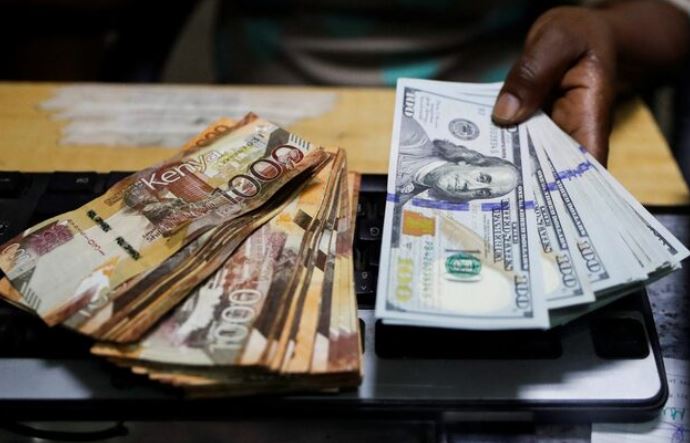
CBK data shows the Kenyan currency exchanged at Sh129.30 against the US dollar on July 2, compared to Sh129.63 a week earlier.
With the current exchange rate now quoted at Sh129.21 per dollar, the shilling has strengthened from the Sh130 level where it had hovered for much of the past year.
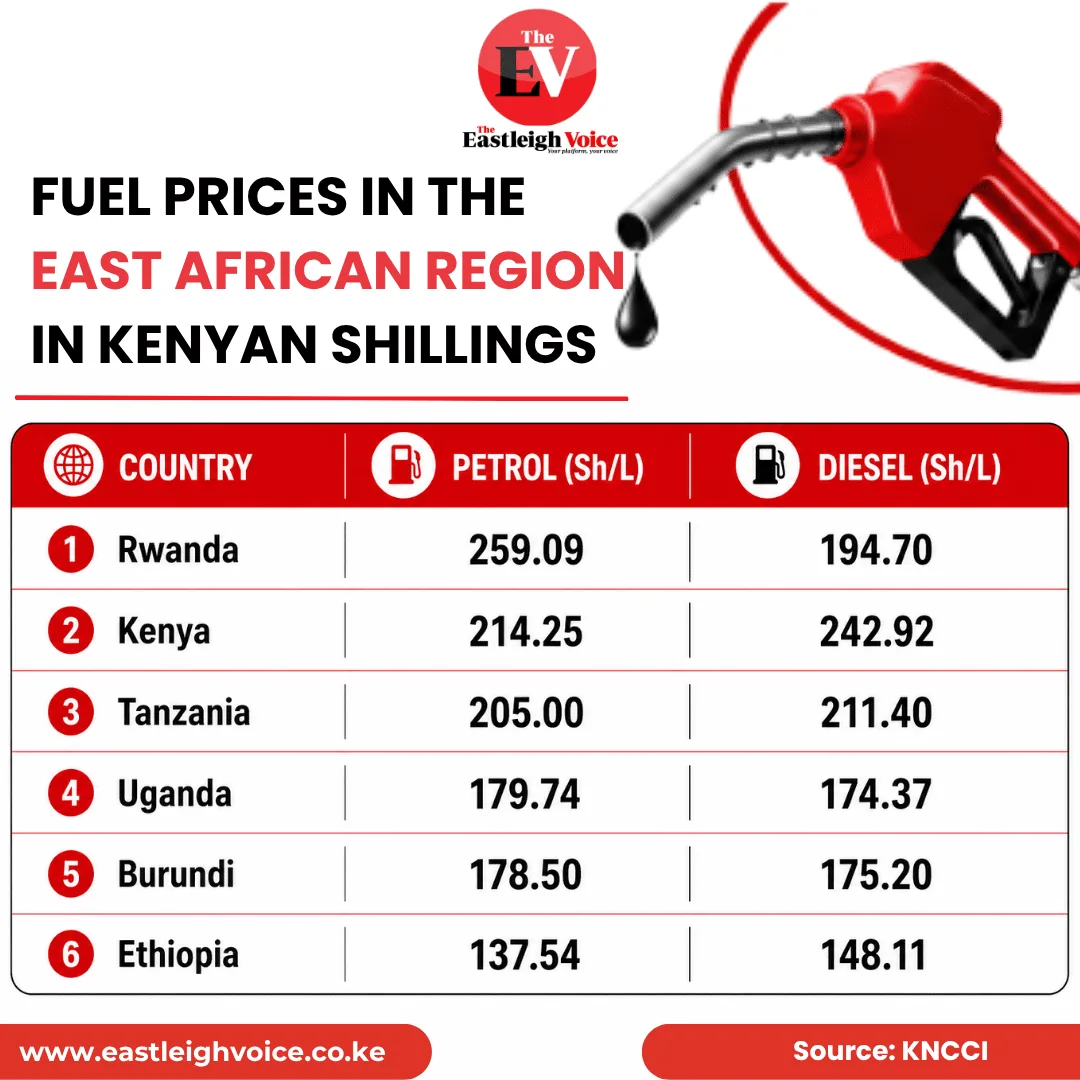
A stronger shilling reduces the cost of importing fuel, food, industrial inputs and other essential goods.
Over time, lower import costs can translate into reduced production expenses for businesses, easing inflationary pressures and ultimately providing some relief to consumers while supporting broader economic growth.










































Comments
Sign in with Google to comment, reply, and like comments.
Continue with Google