On a night expected to celebrate Lionel Messi's latest World Cup milestone, it was Cape Verde who captured the imagination of the football world.
Argentina eventually edged the tournament debutants 3-2 after extra time in a pulsating last-32 encounter in Miami, but the reigning champions were pushed to their absolute limit by the smallest nation ever to feature in a FIFA World Cup knockout match.
Ranked 64th in the world and with a population of just over 500,000, Cape Verde twice came from behind against the defending champions before a cruel 111th-minute own goal by Diney Borges finally ended one of the greatest underdog stories the World Cup has witnessed.
For Argentina, progression came with relief. For Cape Verde, elimination came with admiration from across the footballing world.
The evening began with another chapter in Messi's extraordinary career.
The 39-year-old controlled a perfectly weighted long pass before firing beyond 40-year-old Cape Verde goalkeeper Vozinha to give Argentina the lead after 29 minutes. The goal was historic in more ways than one.
Messi became the first player in FIFA World Cup history to score 20 career World Cup goals and extended his astonishing run to eight consecutive World Cup matches with a goal.
It was also his sixth goal in the knockout stages, while his overall tally of six goals and six assists in World Cup knockout football took him to 12 goal contributions, the most by any player since 1966, moving him ahead of Pelé and Kylian Mbappé, who each recorded 11.
The goal also created another unique World Cup record. At a combined age of 79 years and 61 days, Messi and Vozinha became the oldest scorer-goalkeeper combination ever involved in a World Cup goal, eclipsing the previous mark set by Roger Milla's goal against Peter Shilton in 1990 by more than four years.
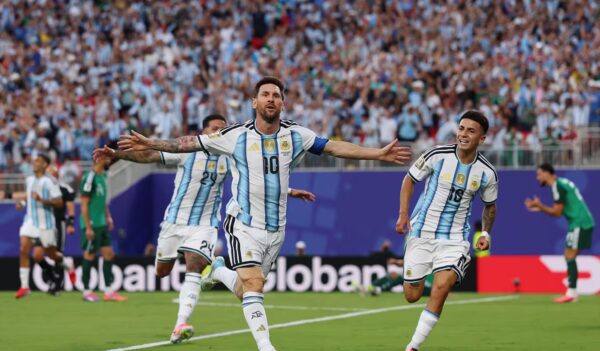 Lionel Messi marked his historic sixth FIFA World Cup appearance with a hat-trick. (Photo: FIFA World Cup)
Messi's strike continued a phenomenal scoring streak that now stands at 12 goals in his last eight World Cup appearances, stretching back to Qatar 2022. Seven of those goals have come at the 2026 finals, making him the first footballer ever to score seven or more goals in two different World Cup editions after achieving the same feat in 2022.
The Argentina captain also reached another landmark by making his 30th World Cup appearance, becoming the first player in the tournament's history to reach that figure.
His coach, Lionel Scaloni, was also celebrating a milestone. The match was his 100th in charge of Argentina, a reign that has produced four trophies alongside 72 victories and established one of the most successful eras in the nation's football history.
Yet despite all the records falling in Argentina's favour, Cape Verde refused to become mere spectators.
The island nation had already won admirers during their maiden World Cup campaign, but they elevated their reputation even further with another fearless display against the reigning champions.
After holding Spain during the group stage and pushing the European champions all the way, they again refused to be intimidated by football royalty.
Their reward arrived in the 59th minute.
Deroy Duarte timed his run perfectly before squeezing his finish through the legs of Lisandro Martínez and beyond Emiliano Martínez to level the contest, sending thousands of Cape Verde supporters into delirium.
The goal carried enormous historical significance.
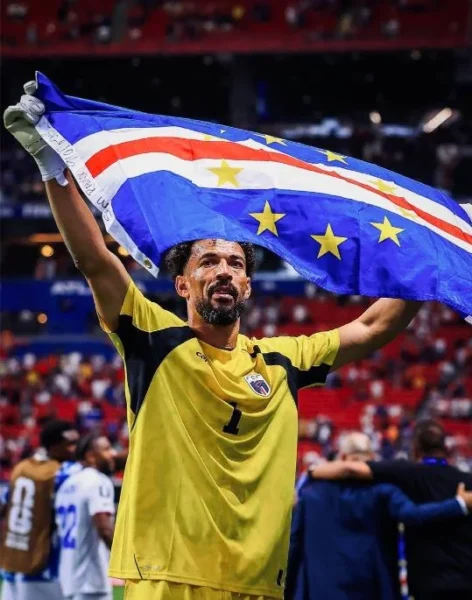 40-year-old Cabo Verde goalkeeper, Vozinha.(Photo: FIFA)
Cape Verde became only the fourth nation in World Cup history to score against two former world champions during their debut tournament, joining Denmark (1986), Nigeria (1994) and Senegal (2002). They also became just the second team ever to score against the reigning world champions in their first-ever World Cup knockout match, the first since Norway achieved the feat against Italy in 1938.
Duarte's strike also represented another remarkable milestone, making him the first player representing a Bulgarian league club, PFK Ludogorets Razgrad, to score in a World Cup knockout match.
Argentina thought they had restored order almost immediately after extra time began.
Lisandro Martínez powered home from Alexis Mac Allister's clever flick at a corner to make it 2-1, seemingly ending Cape Verde's resistance.
Instead, the tournament produced one of its defining moments.
Just 11 minutes later, Sidney Lopes Cabral collected possession on the edge of the penalty area, drifted inside and curled an unstoppable effort into the top corner beyond Emiliano Martínez.
The spectacular strike instantly entered the conversation for the goal of the tournament.
It was an extraordinary moment for a player whose journey epitomised Cape Verde's remarkable rise. Just four years earlier, Cabral had been playing in Germany's fifth division. Now he had scored one of the finest goals of the World Cup against the reigning champions on football's biggest stage.
Overcome by emotion, Cabral celebrated with supporters in the stands before almost completing an even greater fairytale, forcing Emiliano Martínez into another outstanding save late in extra time.
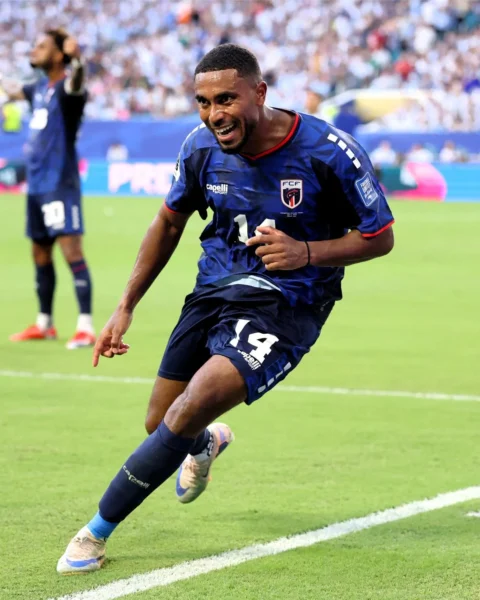 Deroy Duarte, the first goal scorer for Cape Verde against Argentina. (Photo: FIFA)
Cape Verde's refusal to surrender became the defining theme of the evening.
Twice, they recovered from deficits. Twice, they silenced the overwhelming Argentine support inside the stadium. And twice they forced one of football's greatest teams to question whether their World Cup defence might end at the hands of tournament debutants.
Their resilience reflected a campaign built on courage rather than reputation.
From the group stage onwards, Cape Verde consistently challenged established powers, refusing to sit back despite facing nations with vastly superior resources and pedigree. Against Spain they earned global praise through goalkeeper Vozinha's heroics. Against Argentina, they elevated their performance even further.
The 40-year-old goalkeeper once again produced a masterclass, making eight saves after recording seven against Spain earlier in the tournament.
His performance included a superb one-on-one stop against Messi and a brilliant fingertip save from the Argentine captain's free-kick, further cementing his place among the tournament's standout performers.
Ultimately, however, Cape Verde's resistance was broken heartbreakingly.
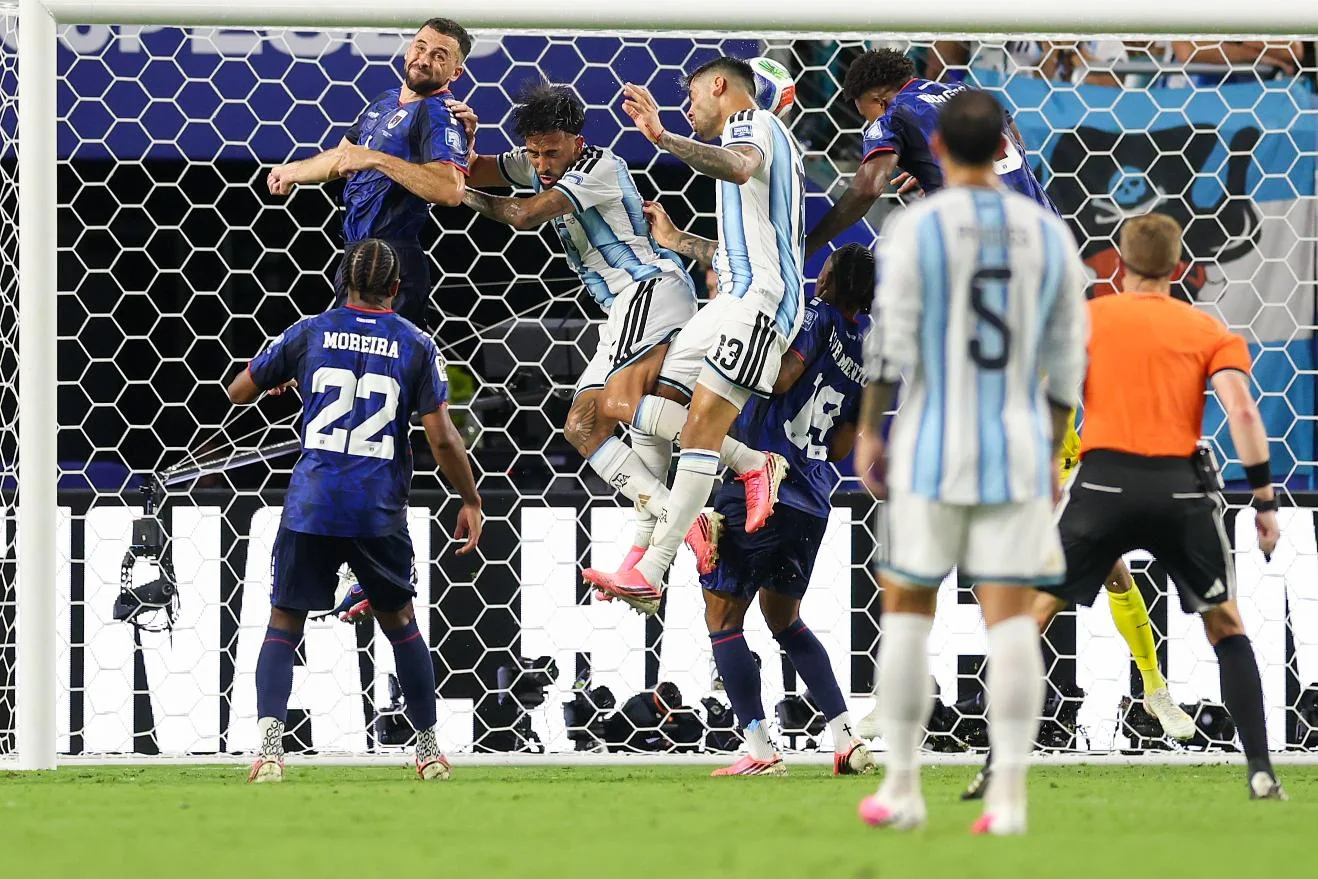
With penalties looming, Cristian Romero's powerful header struck Diney Borges and deflected into the net for an unfortunate own goal in the 111th minute, sending Argentina through while ending one of the greatest underdog stories in modern World Cup history.
Argentina's victory also extended another remarkable trend. They became the first team in World Cup history to lead at half-time in five consecutive knockout matches, while the encounter marked their 12th extra-time match at the tournament, equalling Germany's record.
Eight of Argentina's last 14 World Cup knockout games have now required extra time, underlining their habit of producing football's most dramatic occasions.
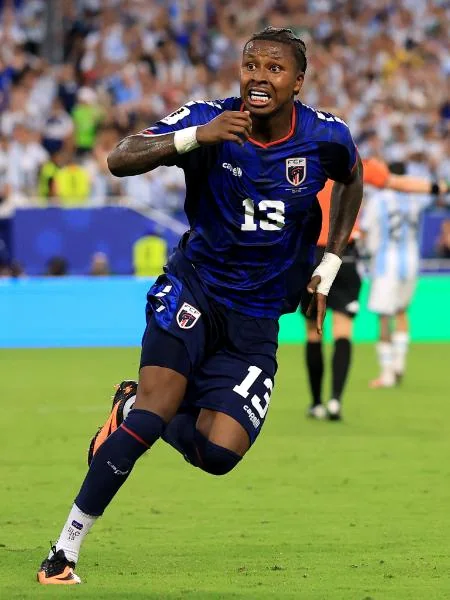 Cape Verde's Sidny Lopes Cabral. (Photo: FIFA)
When the final whistle sounded, the contrast was striking.
Argentina celebrated its qualification, but there was little sense of triumph. Instead, relief swept through the reigning champions after surviving an examination few had anticipated.
Messi, Emiliano Martínez and several Argentine players crossed the pitch to console their devastated opponents, recognising that Cape Verde had earned far more than respect during their remarkable World Cup debut.
For Messi, it was another evening of records that further strengthened one of football's greatest legacies.
For Argentina, it was a narrow escape that kept alive their dream of retaining the World Cup.
For Cape Verde, defeat could not erase what they had achieved.
The smallest nation ever to grace a World Cup knockout stage leaves North America with its head held high after frightening the reigning champions, rewriting history on multiple occasions and proving that belief can bridge even the widest gulf in football.
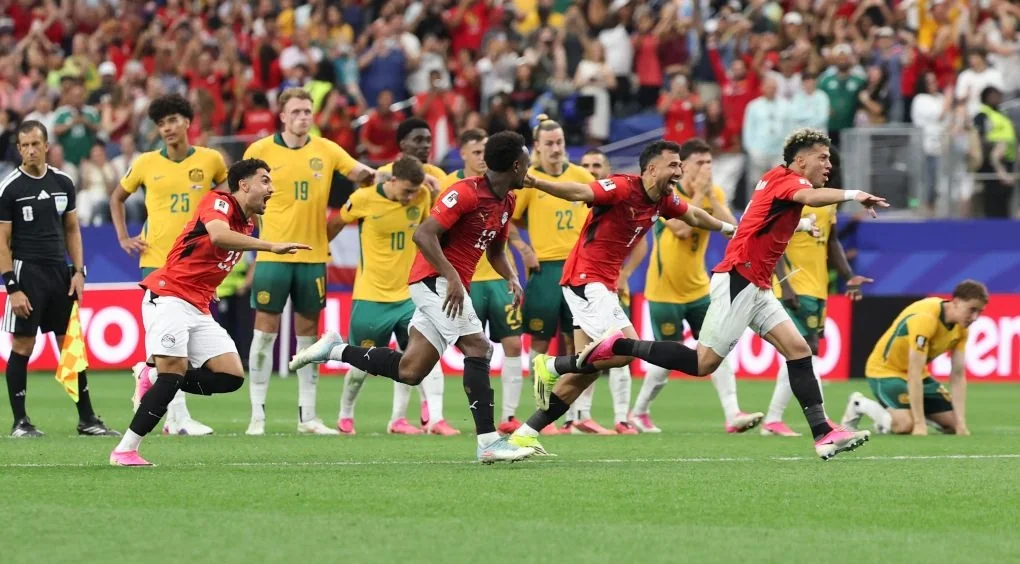
Argentina now march on to a Round of 16 meeting with Egypt.
Cape Verde departed the tournament, but their fearless performances have ensured their first World Cup appearance will be remembered as one of the competition's greatest debut campaigns.


































Comments
Sign in with Google to comment, reply, and like comments.
Continue with Google