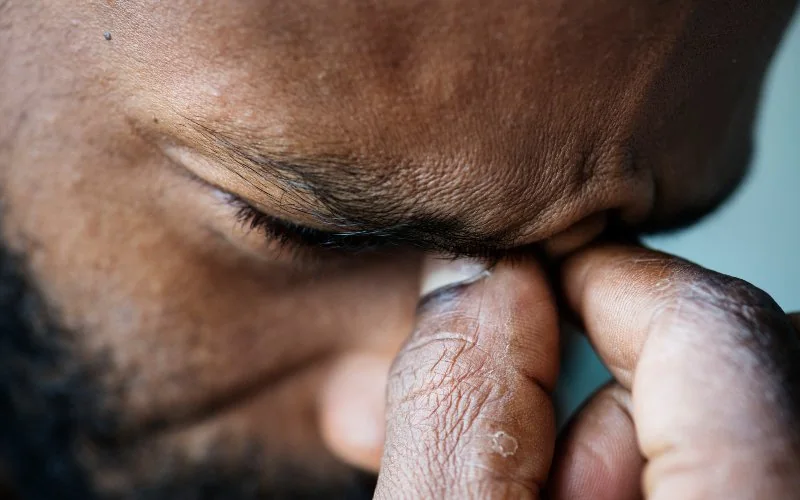
Up to one-third of people living with depression do not respond to standard treatments, leaving millions struggling with symptoms despite trying several medications, counselling sessions, or other forms of therapy.
For many, depression becomes a long-term illness that affects relationships, work, education, and daily life. Even when treatment helps at first, it may stop working after some time, forcing patients to begin the difficult search for another option.
A large clinical study published in the International Journal of Neuropsychopharmacology suggests that a small implanted device known as vagus nerve stimulation (VNS) can provide long-lasting relief for some people whose depression has not improved despite years of treatment.
VNS is a treatment that uses mild electrical signals to stimulate the vagus nerve, one of the body’s longest nerves. The vagus nerve runs from the brain through the neck and chest to the abdomen, playing an important role in communication between the brain and major organs such as the heart, lungs, and digestive system.
During the procedure, doctors surgically place a small device beneath the skin in the upper chest. The device, about the size of a pacemaker, is connected to the left vagus nerve in the neck by a thin wire. Once switched on, it sends gentle electrical pulses to the nerve at regular intervals.
Scientists believe these signals help influence parts of the brain involved in regulating mood, although they are still working to fully understand how the treatment reduces symptoms of depression.
The study involved 493 adults from across the United States (US), all of whom had severe treatment-resistant depression. Every participant had already tried at least four different treatments without success, while many had gone through far more. On average, each participant had tried 13 different treatments before joining the study, highlighting just how difficult their condition had been to manage.
To determine whether the treatment truly worked, all participants had the VNS device implanted.
However, during the first year of the study, only half of the devices were switched on, while the others remained inactive and served as a comparison group. Researchers then monitored participants over time to assess changes in their symptoms, quality of life, and ability to carry out everyday activities.
The results were encouraging. About 69 per cent of participants who received active VNS therapy experienced meaningful improvements in at least one measure of depression after one year. Even more encouraging was that these improvements lasted. More than 80 per cent of those who responded continued to maintain or even improve their recovery after two years.
Among participants who showed the strongest response during the first year, defined as at least a 50 per cent reduction in depression symptoms, more than 90 per cent were still benefiting from the treatment two years later. Researchers said this level of sustained improvement is unusual in people with severe treatment-resistant depression, where long-term recovery is often difficult to achieve.
The study also revealed another important finding. Some participants who showed little or no improvement during the first year eventually responded during the second year.
Around one-third of those who had not benefited after 12 months experienced meaningful improvements by the end of two years. This suggests that vagus nerve stimulation may work more slowly than many conventional treatments but could still provide important benefits with continued use.
"We're seeing people getting better and staying better," the research team said, describing the findings as encouraging for people who have exhausted conventional treatment options.
The researchers also noted, "With this kind of chronic, disabling illness, even a partial response to treatment is life-altering," adding that the long-lasting improvements seen during the trial offer hope for patients who have spent years searching for an effective treatment.
The participants in the study had lived with depression for an average of 29 years, and about three-quarters were unable to work because of their illness. Researchers believe this group represented some of the most severe cases of treatment-resistant depression ever included in a clinical trial, making the results particularly significant.
Despite the promising findings, experts caution that vagus nerve stimulation is not a cure, and it does not work for everyone. It also requires surgery to implant the device, and patients may need months before experiencing noticeable improvements. Researchers say further studies will help identify which patients are most likely to benefit from the treatment.
The study was funded by the company that manufactures the VNS device, a fact the researchers disclosed in the publication.
Even so, the findings add to growing evidence that vagus nerve stimulation could become an important treatment option for people with severe depression who have not found relief through conventional therapies.
And for thousands of patients who have spent years battling a condition that refuses to respond to treatment, the results provide renewed hope that lasting recovery may finally be within reach.













































Comments
Sign in with Google to comment, reply, and like comments.
Continue with Google