I never imagined I would ever step foot in Saudi Arabia. For much of my life, like many others, my understanding of the country was shaped from a distance, through headlines, commentary, and narratives that often felt complete, yet somehow incomplete at the same time.
But I have learned that sometimes the reality of a place is far more layered than the reputation it carries. And as someone who tries to remain open and curious about the world, especially in a time when global understanding feels increasingly fragile, I felt a strong need to see it for myself.
Late last month, I had the honour of being invited as a guest of the Kingdom under the Guests of the Custodian of the Two Holy Mosques’ Program for Hajj, Umrah, and visitation to perform Hajj. It was a deeply humbling experience. Even now, I still find myself asking how I was granted such an opportunity.
The programme itself is a highly regarded initiative overseen by the Saudi Ministry of Islamic Affairs, Dawah, and Guidance, hosting thousands of pilgrims from around the world, including scholars, public figures, and families of those affected by tragedy.
What stood out immediately was the level of care and organisation. The programme covers all major aspects of the pilgrimage experience, from travel logistics to accommodation and daily needs.
Everything is coordinated with precision, transportation is seamless, meals are thoughtfully provided, and accommodations are well-managed. Beyond the logistics, there is a clear intention to create an environment where pilgrims can focus entirely on worship and spiritual reflection without distraction.
There are also cultural and educational elements woven into the journey, including visits to significant historical sites such as the Prophet’s Mosque in Madinah and other landmarks that deepen one’s understanding of Islamic history.
Throughout the entire experience, multilingual support staff and guides are present, ensuring that pilgrims from different parts of the world feel included, understood, and assisted at every stage of their journey.
But beyond the structure and organisation, what stayed with me most was something far less formal: the hospitality.
From the moment I arrived in Jeddah, I encountered a level of warmth that I had not expected. At passport control, it was Saudi women who were among those assisting arriving pilgrims, welcoming us with professionalism and kindness. That moment alone challenged many of the assumptions I had previously encountered in external narratives. What I saw was not a closed society, but a functioning one where women were present, active, and visible in public service roles.
As we travelled from Jeddah to Makkah in modern buses, still wrapped in protective coverings, with refreshments provided for the journey, it became clear that care for guests is not incidental here. It is intentional.
Upon arrival, we were welcomed in a manner that felt ceremonial yet sincere, with a lavender-purple carpet instead of a red carpet, which I later learnt is for official state receptions and reflects the blooming desert lavender fields of spring, which symbolise Saudi hospitality.
At our hotel in Makkah, everything was already prepared. Room access, schedules, meals, and guidance for the entire duration of the stay were all carefully organised. Over the days that followed, we were provided with consistent meals—breakfast, lunch, and dinner—with a variety of international options that reflected the diversity of pilgrims present.
What surprised me most was the everyday generosity in and around the Haram. It was not unusual to see strangers offering cold water to pilgrims in the heat, or food being distributed freely. At one point, I even saw ice cream being handed out from a fully stocked mobile unit, simple acts, yet deeply symbolic of a culture that places value on service to guests of the holy cities.
During the days of Hajj itself, the coordination between security personnel, volunteers, and local authorities was striking.
Despite the enormous scale of the gathering, there was a visible effort to ensure safety, order, and accessibility for all pilgrims. More than anything, there was patience and respect extended to visitors navigating one of the most physically and spiritually demanding journeys of their lives.
What I came to understand is that hospitality here is not performative. It is deeply embedded in cultural and religious identity, an inherited sense of duty toward those who come as guests of faith.
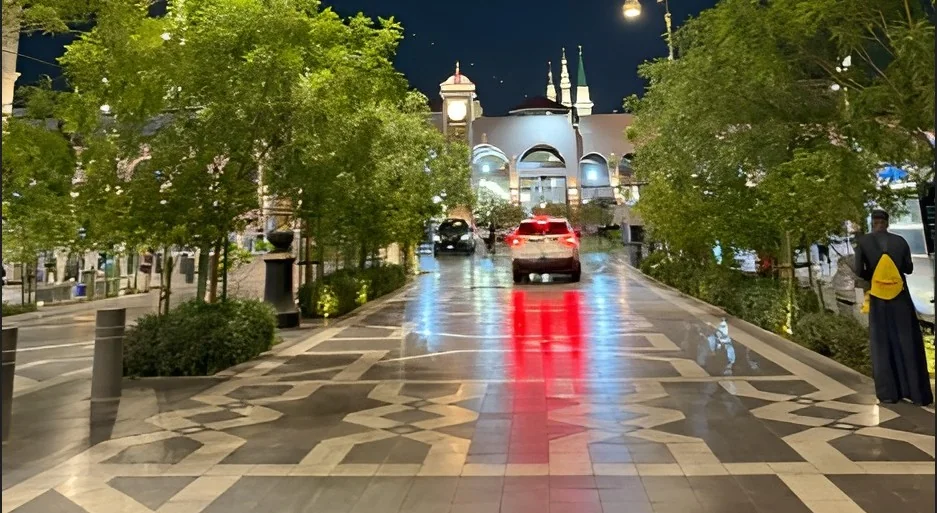
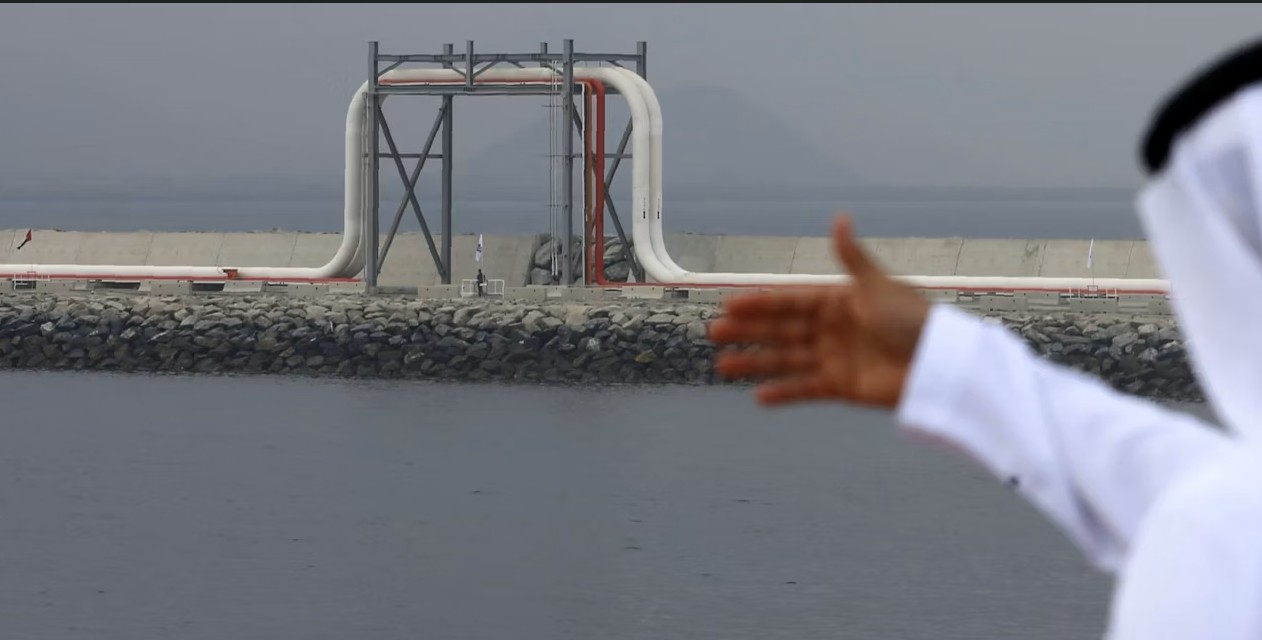
After completing the rituals and travelling to Madinah by road, I was struck by the contrast between expectation and observation. The country I had imagined through fragmented narratives was not the one unfolding before me. What I saw instead was a rapidly developing nation, expansive highways, modern infrastructure, growing cities, and carefully maintained public spaces, all in a landscape that is still fundamentally desert, relying heavily on desalination and other resource systems to sustain its population and infrastructure.
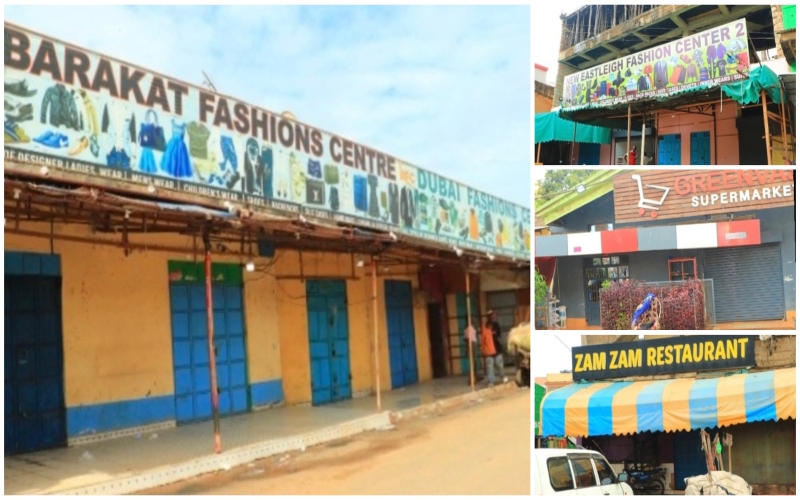
Moreover, during my conversations with some locals and people familiar with the Kingdom’s humanitarian and development work, I was also surprised to learn about the support extended to vulnerable Muslim countries through various forms of aid and assistance. At the same time, I observed people from conflict-affected countries such as Yemen and Sudan working in shops and businesses, striving to support their families and rebuild their lives with dignity.
None of this is to suggest perfection. Every country has complexity, and Saudi Arabia is no exception. But what I would emphasise is the importance of direct experience in shaping understanding. Too often, places are reduced to simplified versions of themselves through repeated external narratives.
My experience has not erased what I had previously heard—but it has added depth, texture, and humanity to it.
And perhaps that is the most important lesson: that understanding a country requires more than headlines. It requires presence, observation, and the willingness to see beyond inherited assumptions.




























Comments
Sign in with Google to comment, reply, and like comments.
Continue with Google