Kenya has walked this path before, and we know where it can lead.
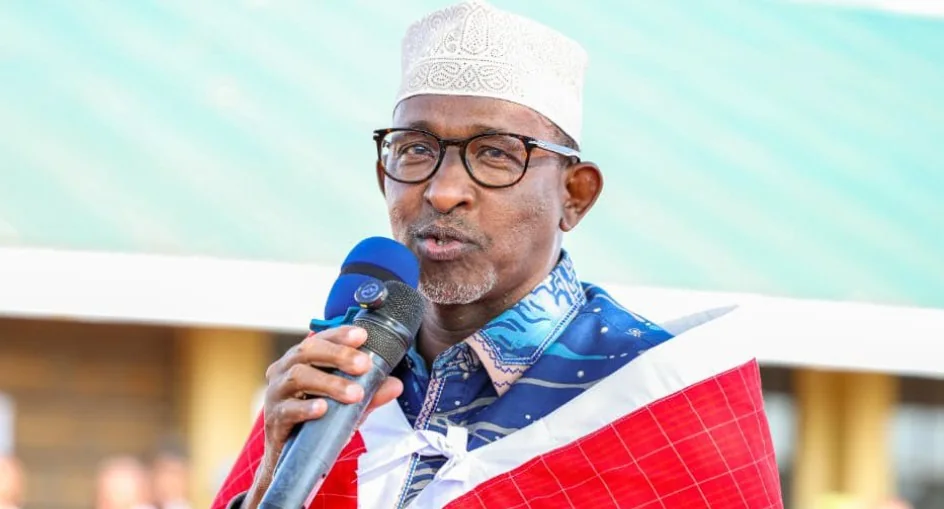
The recent remarks attributed to Health Cabinet Secretary Aden Duale, in which he allegedly referred to members of the Kikuyu community as "hyenas" while speaking in Somali, should concern every Kenyan, regardless of ethnicity or political affiliation. While praising the Kenya Kwanza administration for restoring dignity to the Somali community through the issuance of national identity cards and development projects in the North Eastern region, there can never be any justification for elevating one community by demeaning another.
Words matter, particularly when they come from senior government officials.
Kenya is steadily moving towards the 2027 General Election. This is precisely the period when leaders should be promoting national unity, reconciliation and shared citizenship—not reviving ethnic divisions that have previously plunged our country into violence.
History offers painful lessons that we ignore at our own peril.
Following the disputed 2007 General Election, political rhetoric and ethnic mobilisation contributed to one of the darkest chapters in Kenya's history. More than 1,000 people lost their lives, hundreds of thousands were displaced, and communities that had lived together for decades turned against one another. Many Kenyans continue to bear the scars of that violence.
Beyond our borders, history repeatedly demonstrates that dehumanising language is often the first step towards persecution and mass violence.
Before and during the 1994 Rwandan genocide, Tutsis were routinely described as "cockroaches" and other subhuman creatures. Years of such propaganda conditioned many perpetrators to view their neighbours not as fellow human beings, but as pests to be eliminated.
The dehumanisation of the Tutsi under successive governments deprived them of their humanity, making it psychologically easier for extremists to kill without remorse or compassion. Had this sustained campaign of dehumanisation not taken root, Rwanda might have had fewer extremists, fewer perpetrators and far fewer victims of genocide.
These tragedies teach a common lesson: genocide and ethnic violence rarely begin with weapons. They begin with words.
When leaders compare human beings to animals, they erode the dignity of those communities. Dehumanisation renders a target psychologically and socially easier to attack. It lowers the moral barriers to discrimination, exclusion and, in the worst cases, violence.
That is why referring to any Kenyan community as "hyenas" is not merely an unfortunate choice of words. It is dangerous rhetoric that has no place in our national discourse.
The Kikuyu are not hyenas. They are Kenyans. They are citizens of this Republic, entitled to the same dignity, respect and constitutional protection as every other Kenyan. Equally, every community in Kenya deserves to be treated with respect, regardless of political differences or historical grievances.
No public official should seek to build the dignity of one community by diminishing another. Development in one region should be celebrated without turning fellow citizens into objects of ridicule or contempt.
Leadership demands restraint. Cabinet Secretaries, Members of Parliament, Governors and all public officials must appreciate that their words carry immense weight. They shape public attitudes, influence political discourse and, in periods of heightened political tension, can either calm or inflame divisions.
As we approach the 2027 General Election, Kenya cannot afford careless rhetoric that resurrects ethnic hostility. We need leaders who unite rather than divide, who heal rather than provoke, and who remind us that our diversity is our greatest strength.
Mr Duale should withdraw his remarks unequivocally and reaffirm his commitment to the constitutional principle that every Kenyan is equal before the law, irrespective of ethnicity.
The lessons of the Rwandan genocide and Kenya's own post-election violence are unmistakable. Hatred begins with words. Violence begins with dehumanisation. Responsible leadership begins with recognising that every Kenyan, regardless of community, deserves respect and dignity.
We must reject the politics of dehumanisation before history has the chance to repeat itself.



































Comments
Sign in with Google to comment, reply, and like comments.
Continue with Google