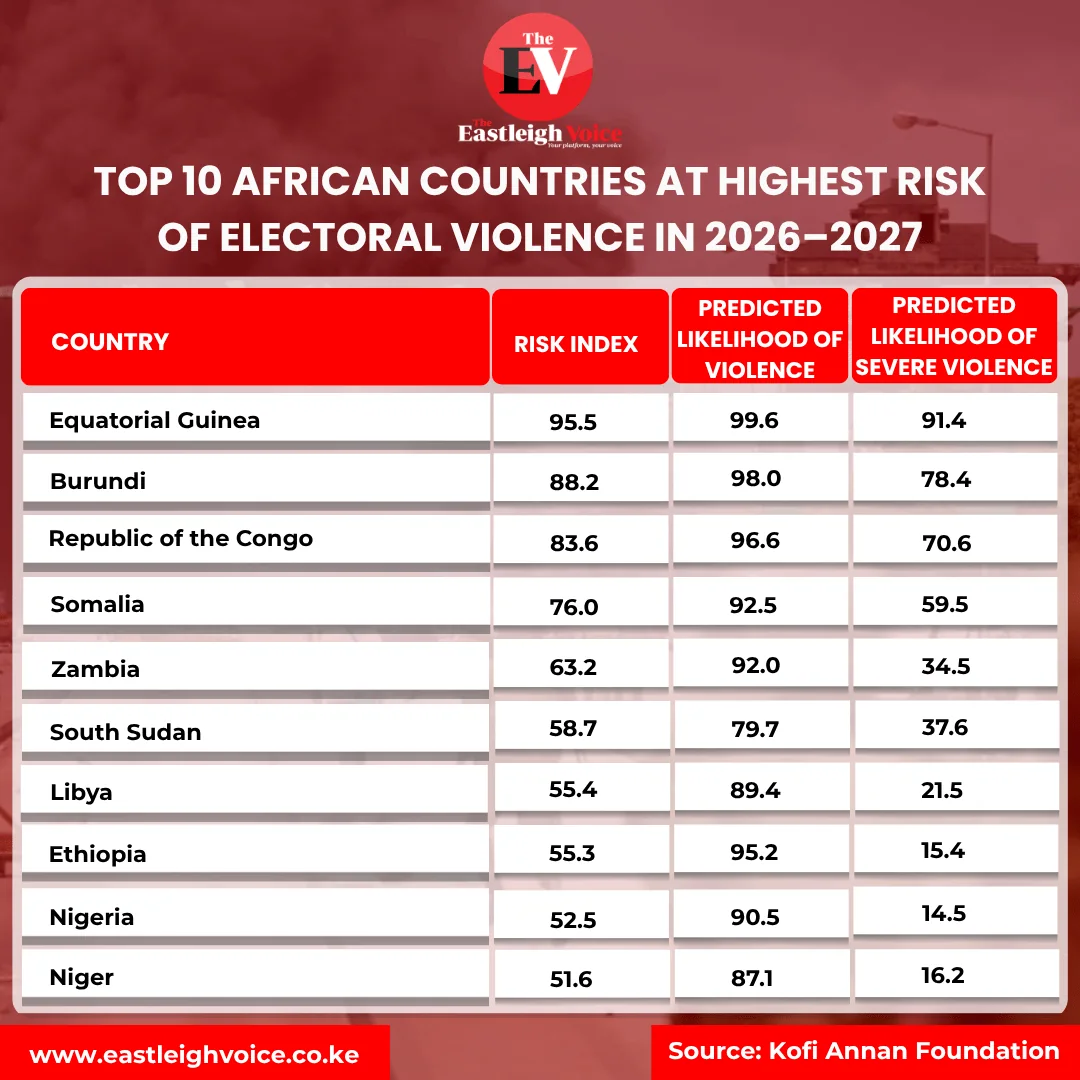
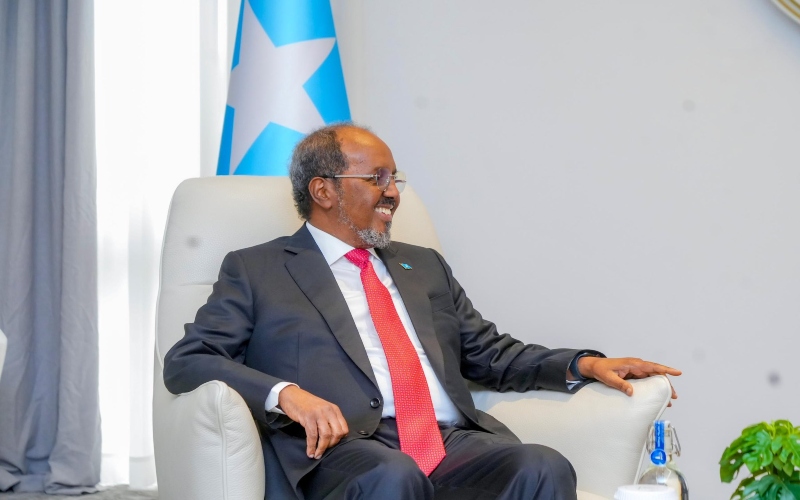
Somali Prime Minister Hamza Abdi Barre has announced a series of reforms aimed at changing how Islamic education and religious institutions are managed across the country, with the government saying the measures will strengthen education, improve public administration, and support wider efforts to build state institutions.
The reforms also include plans to standardise religious guidance, improve teacher qualifications, introduce digital registration systems, and support political dialogue on governance and electoral reform.
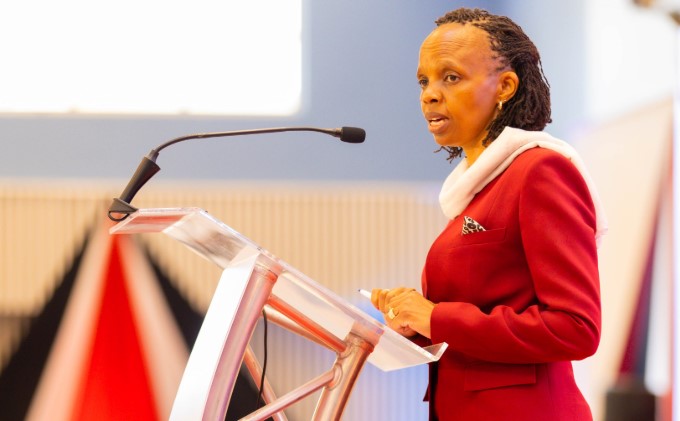
The prime minister announced the reforms during the graduation ceremony of the first Master's cohort in Da'wah and Judiciary, the first graduating class from the Higher Institute for Da'wah Affairs and Islamic Studies at Somali National University. Addressing graduates, religious scholars, government officials, and guests, Barre said the reforms mark an important step in bringing greater coordination to sectors that have operated without a national framework for many years.
One of the major changes announced by the prime minister is the introduction of Somalia's first national policy to regulate Islamic education. Under the new policy, Quranic schools will become part of the country's formal education system for the first time, placing them under the supervision of the Ministry of Education instead of the Ministry of Endowments and Islamic Affairs.
Hamza said the move will ensure that Quranic schools follow national education standards while continuing to provide religious instruction. He added that the schools will operate under common curricula, accreditation systems, recognised certificates, and government oversight, allowing them to become fully recognised educational institutions.
"For the first time in Somalia's history, Quranic schools will be formally recognised as part of the national education system," he said.
The reforms also introduce new requirements for teachers working in Quranic schools. Under the new policy, instructors will be required to complete formal training and obtain recognised qualifications before they can teach. The government says the measure is intended to improve the quality of education and create common teaching standards throughout the country.
In another major announcement, Hamza confirmed that the Council of Ministers has approved legislation establishing a Supreme Council of Somali Scholars. The council will become the country's official body for issuing religious rulings, also known as fatwas, to provide a unified position on religious matters instead of different interpretations issued by individual clerics.
The legislation establishing the council has now been forwarded to parliament for debate and approval before it can become law. The prime minister said construction has already started on a permanent headquarters for the council, which will include offices, meeting facilities, and libraries to support its work.
"The state should take responsibility for ensuring that official Islamic guidance is organised and unified," he said.
As part of the reforms, the government will also introduce a digital registration system covering Quranic schools, Islamic institutes, and universities. Officials say the system will record students and institutions, verify academic qualifications, and improve oversight across the religious education sector. The digital platform is also expected to provide the government with accurate records of students enrolled in religious institutions and the qualifications they earn.
Hamza also urged universities to prepare graduates who can respond to the country's growing legal and administrative needs. He said Somalia requires professionals with expertise in maritime law, petroleum disputes, financial crime investigations, auditing, and Islamic jurisprudence to strengthen public institutions and support national development.
According to the prime minister, the reforms form part of a wider government agenda aimed at building stronger institutions, improving governance, and implementing long-term development plans across different sectors.
"We are building institutions, setting long-term plans and transforming the way the country is governed," Hamza said.
The announcement affects education, religious administration, judicial training, and public governance, reflecting the government's intention to increase coordination and oversight in areas that have largely operated independently for many years.
While several measures have already been approved by the cabinet, others, including the establishment of the Supreme Council of Somali Scholars, still require parliamentary approval before they can take effect. The implementation of the new education policy, teacher qualification requirements, and digital registration system is expected to begin in the coming months as the government moves forward with its reform agenda.







































Comments
Sign in with Google to comment, reply, and like comments.
Continue with Google