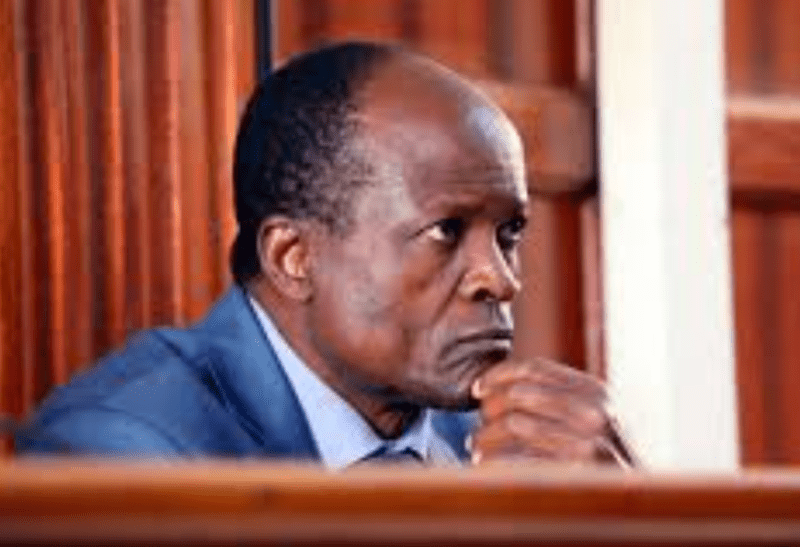
Former Migori Governor Okoth Obado will on Thursday, July 23, learn his fate in the high-profile murder case of university student Sharon Otieno, nearly eight years after her killing shocked the country.
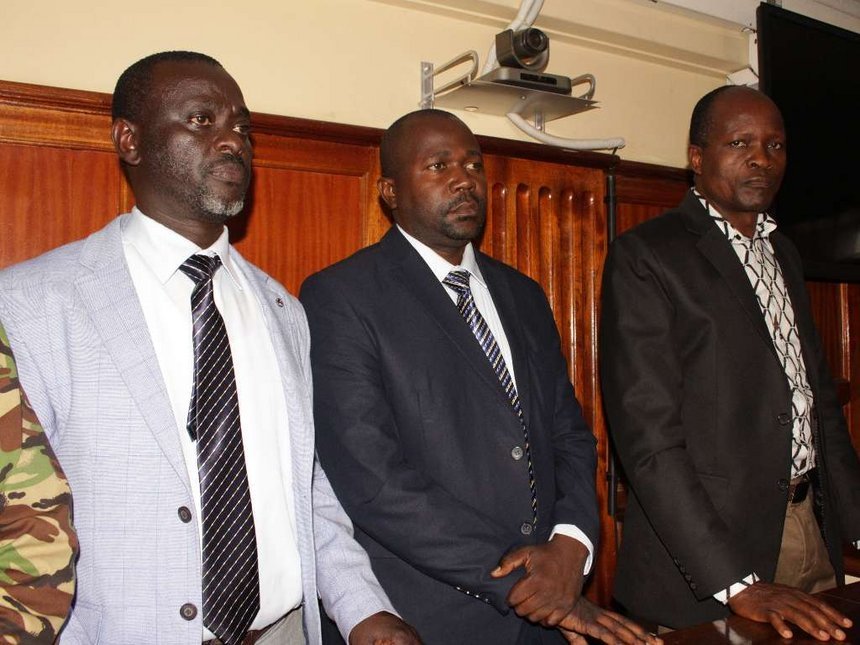
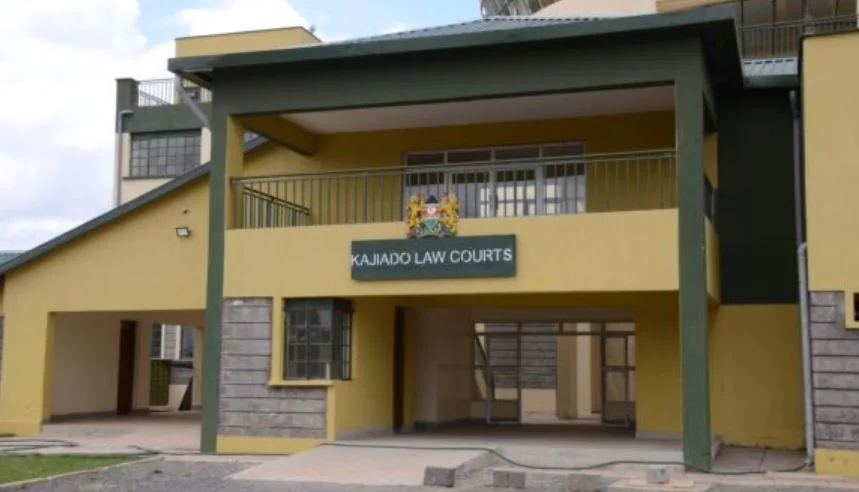
The High Court is expected to deliver judgment in the case involving Obado and his co-accused, Michael Juma Oyamo and Casper Ojwang Obiero, who are jointly charged with Sharon's murder.
The judgment had initially been scheduled for May 29, 2026, but was postponed to allow the court more time to prepare its decision.
During a mention before Justice Cecilia Githua, the court directed that all three accused persons must be physically present in court at 10:30 am for the delivery of the judgment.
In its final submissions, the Office of the Director of Public Prosecutions (ODPP) urged the court to convict the three accused, arguing that the prosecution had proved its case beyond reasonable doubt.
Senior Assistant Director of Public Prosecutions Gikui Gichuhi told the court that the evidence presented established a coordinated plan involving the accused persons.
"The totality of the evidence fits together seamlessly. It forms a single, coherent picture pointing to the guilt of the accused persons," Gichuhi submitted.
The prosecution argued that Obado, Oyamo and Obiero acted with a common intention to eliminate Sharon Otieno and silence her to avoid political and personal consequences.
According to the prosecution, witness testimony, mobile phone data, cybercrime analysis and forensic evidence placed the three accused at the centre of the murder.
The court heard that Sharon and another prosecution witness were abducted from Graca Hotel on the night of September 3, 2018, with Oyamo and Obiero allegedly playing active roles in facilitating the abduction.
Prosecutors further linked the vehicle allegedly used during the incident, registration number KCL 418K, to Obiero's family, telling the court it was registered in his wife's name and driven by one of his associates.
Gichuhi dismissed the defence case as lacking credibility, arguing that it failed to create reasonable doubt.
"The defence case is contradictory, implausible, and an afterthought designed to escape liability," she submitted.
The court had previously ruled that Obado, Oyamo and Obiero had a case to answer and placed them on their defence.
Thursday's judgment will determine whether the prosecution has proved the murder charges beyond reasonable doubt.









































Comments
Sign in with Google to comment, reply, and like comments.
Continue with Google