Kenya has laid the foundation for a thriving digital economy through platforms such as eCitizen, digital identity systems and mobile money, but unlocking jobs for young people will depend on how well startups design solutions around real human needs, speakers at the China Trade Week Kenya 2026 have said.
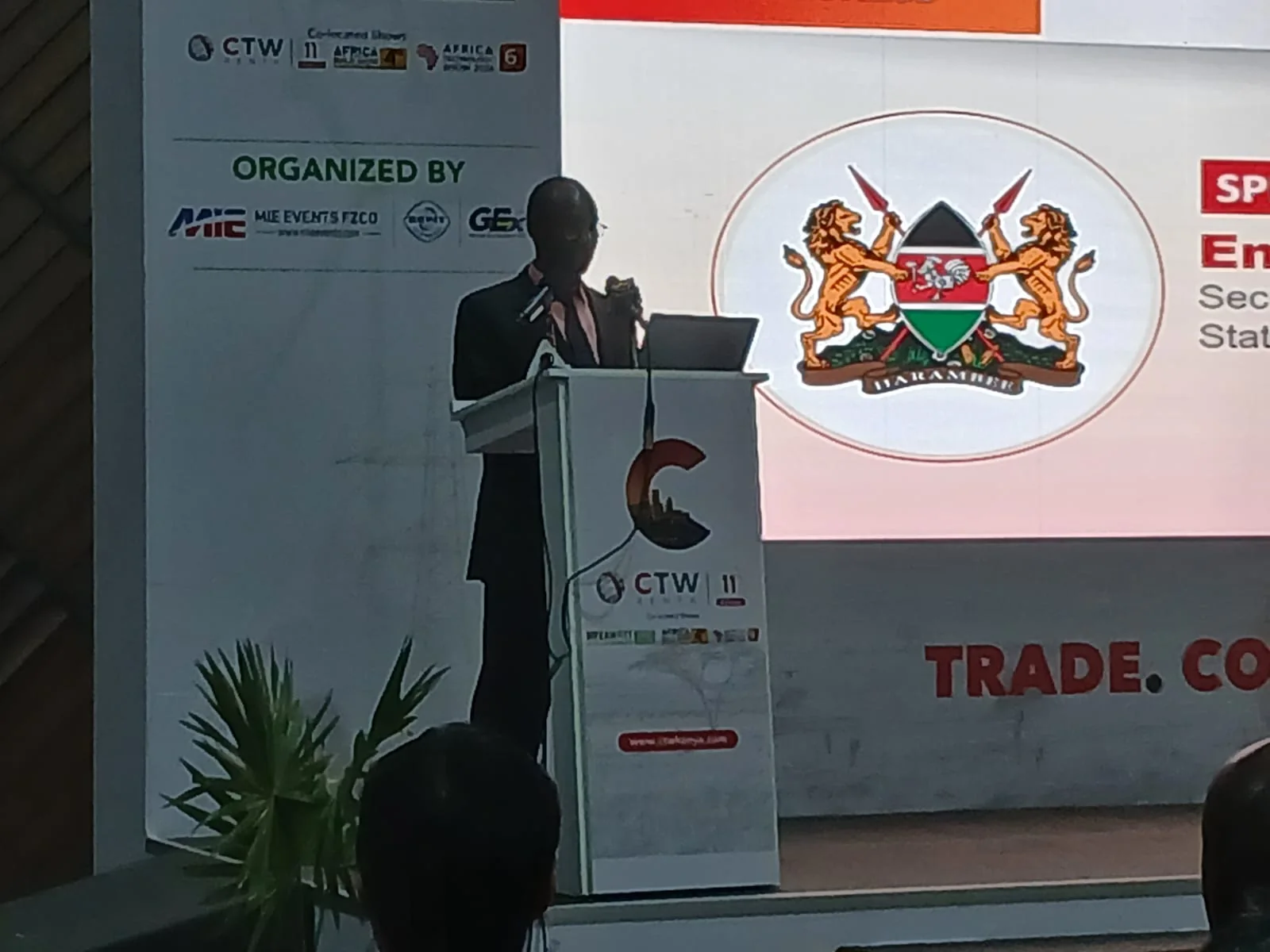
The message emerged during a panel discussion titled "From Rails to Jobs: How Kenya's Digital Public Infrastructure Can Power Youth-Led Startups" held on the opening day of the 11th China Trade Week Kenya and the 6th Africa Technology Show at the Kenyatta International Convention Centre (KICC) on Wednesday.
Addressing delegates, Peter Kimalie, Director of Digital Services (eCitizen) at the State Department for Citizen Services under the Ministry of Interior and National Administration, said Kenya's digital public infrastructure provides a strong foundation for innovation but requires greater focus on adoption and user experience.
"Digital infrastructure like eCitizen, national digital IDs and mobile money payment rails are incredible foundational tools. However, technology deployment without human-centred design and continuous change management is only half the job. Real transformation happens when startups build with deep clarity on human needs," Kimalie said.
Panellists also noted that while Kenya is widely recognised as a leader in Digital Public Infrastructure (DPI) in Africa, many startups still spend valuable time and resources building services that already exist instead of leveraging public digital infrastructure.
They encouraged entrepreneurs to make use of existing public APIs for services such as identity verification and payments, allowing them to focus on solving customer problems and developing innovative products.
The discussion also highlighted the need for continuous public education and trust-building to encourage citizens and businesses to embrace digital services, arguing that successful digital transformation depends as much on people as it does on technology.
To ensure broader inclusion, speakers urged developers to build digital products that work across smartphones, feature phones, USSD and WhatsApp, enabling more Kenyans, including those in underserved areas, to access digital services.
The panel further explored how international partnerships can strengthen Kenya's digital economy by combining global technology and manufacturing expertise with locally developed software solutions that address the country's unique challenges.
The three-day China Trade Week Kenya, co-located with the Africa Technology Show, MEGAWATT Africa and the Africa Build Show, has brought together policymakers, innovators, investors and businesses to explore opportunities in technology, trade, energy and infrastructure through July 24.
Speakers said Kenya has already built the digital rails needed for innovation, but transforming those foundations into sustainable employment will require startups to prioritise accessibility, interoperability and human-centred design.



















































Comments
Sign in with Google to comment, reply, and like comments.
Continue with Google