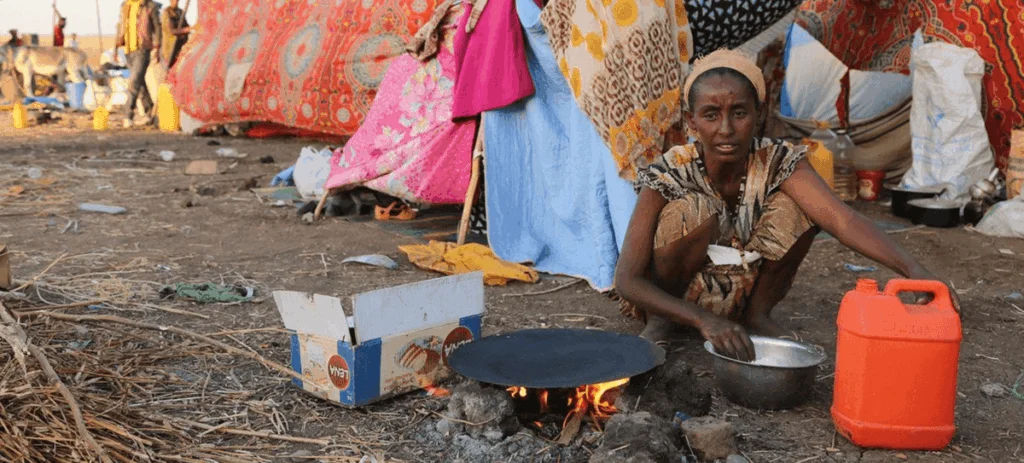
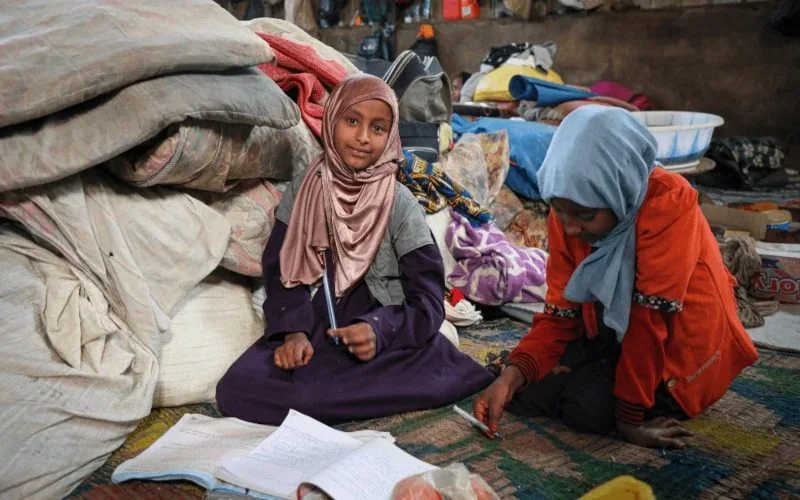
Displaced communities across Ethiopia’s Tigray region are facing worsening humanitarian conditions as critical gaps in food, shelter, healthcare, water and protection services continue across 78 displacement sites, according to a new site profiling assessment by the Shelter, Land and Site Coordination Cluster (SLSC).
The 2026 assessment, covering five zones and 21 woredas, found that displacement in the region remains fluid, with some sites receiving new arrivals and others recording population declines as families return, relocate or find other durable solutions. However, while humanitarian assistance continues to reach affected communities, the support available is falling short of what is required.
“Across the assessed sites, humanitarian assistance is generally available but remains insufficient to meet existing needs,” the assessment reads in part.
Food assistance emerged as the most serious gap, with 95 per cent of assessed sites reporting that available support was insufficient. Major shortages were also recorded in nutrition, health, water and sanitation, and shelter services, leaving many displaced families struggling to access essential support.
According to the assessment, shelter and non-food item assistance was also unavailable in 36 sites and insufficient in another 42, exposing households to overcrowding, harsh weather and a lack of privacy.
The situation is compounded by poor access to safe water and sanitation. Only four sites reported adequate WASH services, while 27 sites had no WASH support and 47 reported insufficient coverage, raising concerns over hygiene conditions and the risk of waterborne diseases.
Similarly, 45 displacement sites reported having no protection services, limiting access to case management, referrals and support for people facing heightened risks, including vulnerable households and survivors of violence.
“The combined impact of inadequate shelter, insufficient WASH, limited health and nutrition services, weak protection coverage, and uneven CCCM presence continues to heighten protection, public health and environmental risks across many displacement sites,” the assessment warned.
The humanitarian response in Tigray is also facing challenges in maintaining effective coordination. In the Central Zone, which hosts about 19 per cent of the region’s internally displaced population, none of the assessed sites currently have dedicated site management support.
The gap has affected the ability of humanitarian actors to engage communities, share information and identify urgent needs. According to the assessment, limited coordination capacity continues to weaken accountability and timely response across displacement sites.
The assessment subsequently called for sustained site management support and increased assistance in food, shelter, WASH, health, nutrition and protection services, alongside improvements to shelter conditions, drainage, waste management and site maintenance.






































Comments
Sign in with Google to comment, reply, and like comments.
Continue with Google