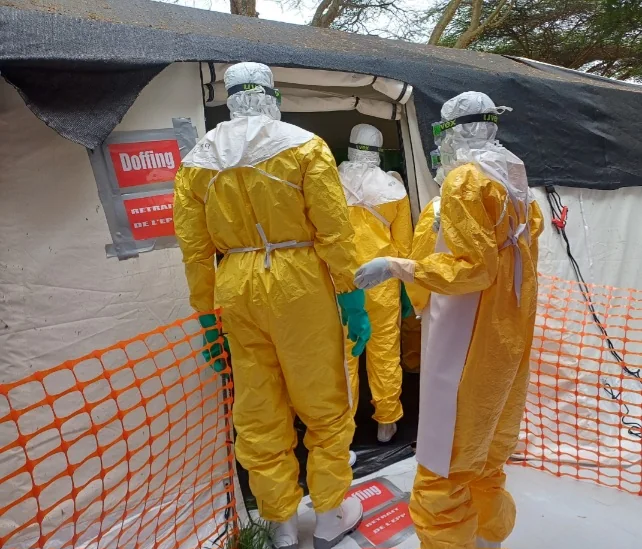
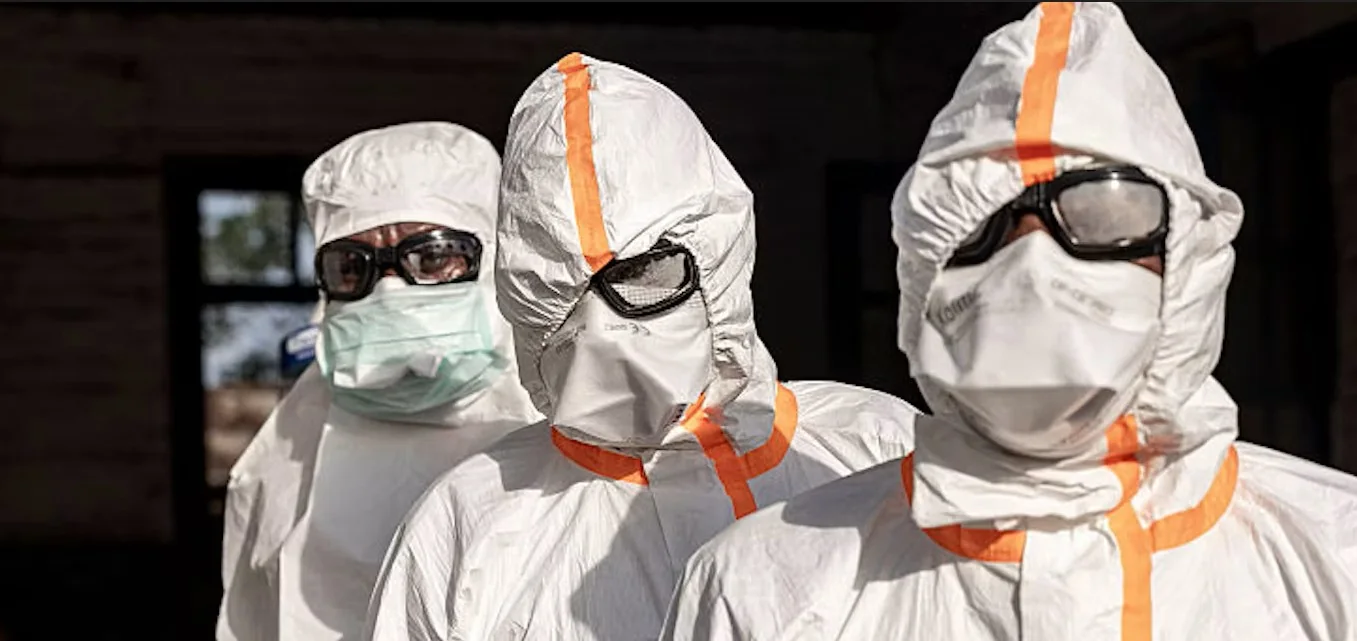
At least 189 children have died in the latest Ebola outbreak in eastern Democratic Republic of Congo (DRC), with 476 others confirmed to have contracted the disease, Save the Children announced on Wednesday.
In a press statement, Save the Children added that thousands more are living with fear and trauma and in need of mental health support after witnessing loss in their communities.
In Ituri Province, the epicentre of the outbreak, more than 4,000 children are receiving mental health and psychosocial support from the organisation, which has set up safe spaces where children struggling with grief and anxiety can play, relax, and begin to recover.
“The outbreak has taken a devastating toll on children since it was declared on 15 May. Some 476 children are confirmed to have contracted the disease, with more than 189 children dying, accounting for over 20 per cent of confirmed deaths, according to the latest DRC Ministry of Health data,” the organisation said.
Children already victims of the long conflict in DRC that displaced their families are now bearing the burden of a second crisis, with the outbreak leaving many fearful, anxious, and hopeless after witnessing illness and deaths in their communities.
Save the Children staff in Ituri said the disease has changed how some children interact with each other and with adults, with many now avoiding close contact and keeping their distance.
“Others are expected to require temporary care outside their families after being separated from their parents or caregivers due to caregiver illness, abandonment, isolation or death. Anxiety among children and families is widespread, with many worried about whether children will be able to return to school when they reopen in September as new cases of Ebola continue to emerge,” the organisation explained.
The organisation warns that the effects of prolonged stress and distress during childhood can extend far beyond the immediate crisis.
“Without adequate support, repeated exposure to adversity can have lasting consequences for children's cognitive development, emotional wellbeing and long-term physical and mental health,” the statement says.
To mitigate the impact, the organisation is operating over 18 permanent and mobile Child Friendly Spaces in Ituri, where more than 4,000 children attend newly established safe spaces to take part in activities such as storytelling, educational songs, reading and writing, drawing, clay modelling, and relaxation exercises.
Through games, art, and guided discussions, children are supported to process difficult experiences, build resilience, and reconnect with their peers.
Here, activities have been adapted to ensure they can be implemented safely, with appropriate infection prevention and control measures, including enhanced hygiene and physical distancing protocols due to the Ebola outbreak.
"Children in Ituri are carrying an enormous emotional burden. Many have witnessed violence, lost loved ones because of the Ebola outbreak or lived through repeated displacement. Child Friendly Spaces give them a safe environment where they can express themselves, rebuild confidence and simply be children again. Children demonstrate a natural ability to successfully cope with distress, depending on their age, developmental stage, disability status and access to basic and survival needs. Yet, receiving adequate social-emotional and responsive care from a constant caregiver is key to avoiding immediate and detrimental effects on children and adolescents' development, wellbeing and mental health,” said Dr Babou Rukengeza, Save the Children’s Ebola Response Lead in the DRC.
Save the Children called on the international community to increase funding for child protection and mental health and psychosocial support services as needs continue to outpace available resources in eastern DRC.




























Comments
Sign in with Google to comment, reply, and like comments.
Continue with Google