Pregnant women, newborns bear brunt of South Kivu health crisis after funding cuts in DRC- MSF
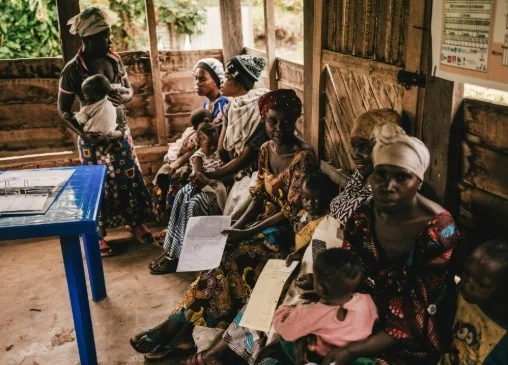
Pregnant women, newborns bear brunt of South Kivu health crisis after funding cuts in DRC- MSF

Families are now required to pay up to $100 (Sh12,913) for a caesarean section and $50 (Sh6,456) for the care of premature newborns, costs that are unaffordable for many households in a region marked by poverty and insecurity.
Access to healthcare in South Kivu province in eastern Democratic Republic of Congo (DRC) is collapsing amid prolonged armed conflict and the steady withdrawal of international funding, leaving essential services increasingly out of reach for pregnant women and newborns, Médecins Sans Frontières (MSF) has reported.
According to MSF, in Minova, Kalehe territory, the situation deteriorated after World Bank support through the Multisectoral Nutrition and Health Project (PMNS) ended, forcing the main referral hospital to introduce user fees for critical services.
Families are now required to pay up to $100 (Sh12,913) for a caesarean section and $50 (Sh6,456) for the care of premature newborns, costs that are unaffordable for many households in a region marked by poverty and insecurity.
“We have no hope left. I simply cannot pay,” a patient at Minova General Reference Hospital told MSF, describing how women are either kept in hospital for days or weeks until they can settle their bills, or leave early and resort to unsafe home deliveries.
Hospital records cited by MSF also show that maternity admissions in Minova fell by nearly 34 per cent within weeks of the funding cut.
Advertisement
The crisis in Minova reflects a broader breakdown across South Kivu’s health system. According to MSF, many health centres are no longer functioning effectively due to shortages of medicines, vaccines and nutrition supplies, as well as a lack of staff and sustained funding.
“General health centres, often without paid staff or essential medicines, cannot meet actual needs,” said MSF head of mission Issa Moussa, adding that national health programmes targeting malaria, tuberculosis, HIV and malnutrition are increasingly unable to operate in many areas.
The consequences are also being seen in the spread of preventable diseases. Measles outbreaks have affected multiple health zones, while vaccination campaigns have been repeatedly disrupted.
In 2025, MSF says that measles vaccines were unavailable for months despite active outbreaks in 24 of the province’s 34 health zones.
As public facilities struggle, pressure is shifting to the few remaining free services. In the highlands, Numbi hospital has become severely overcrowded, operating at more than 217 per cent of capacity in early 2026. Patients are forced to share beds, while others travel long distances on foot through insecure areas in search of care.
“Without operational support and rapid funding, essential health services risk collapsing, with direct consequences for maternal and infant mortality in South Kivu,” Issa said.

Comments

0
Loading comments...

Trending

Latest Stories

Popular Stories This Week