Médecins Sans Frontières (MSF) is calling for an urgent emergency response in northeastern Somalia after nearly 1,400 patients were admitted between March and May to the inpatient therapeutic feeding centre at Bay Regional Hospital. Despite increasing bed capacity from 50 to 125, more than double the original capacity, the facility is now overwhelmed as admissions continue to rise.
The organisation is urging a rapid scale-up of emergency interventions, including food distribution, livelihood support, water provision, and broader nutrition assistance, warning that delays could lead to further loss of life.
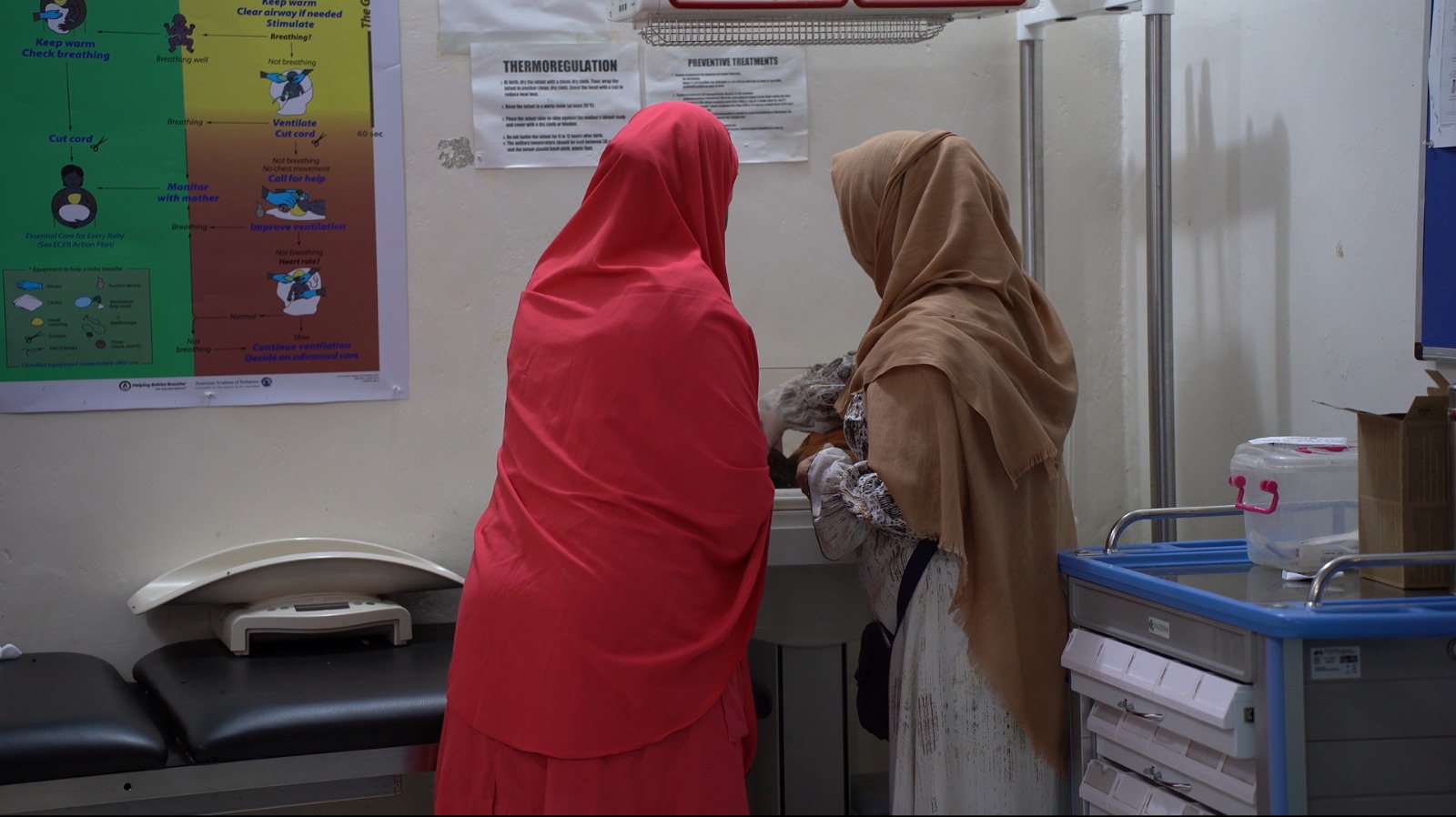
In Baidoa, malnutrition wards supported by MSF are facing a sharp surge in critically ill children, as well as pregnant and lactating women. Monthly admissions to inpatient wards increased from 287 in March to 572 in April and remained above 500 in May.
The April figure was more than three times higher than the same month last year. MSF teams have screened over 4,000 children since March, finding that nearly one in two children under five is acutely malnourished. Levels of malnutrition this year are among the highest recorded for this period since 2023.
“Our malnutrition wards in Baidoa are full. We have turned every available and possible space, including other hospitals’ wards, tents, and offices, into treatment areas, yet more children arrive every week in increasingly critical condition. Families have exhausted every possible coping mechanism with the loss of livelihood and animal stocks. Many have sold the last of their belongings and travelled for days in search of relief. Without an immediate scale-up of food, nutrition, and water assistance, along with livelihood and cash programmes, lives will continue to be lost,” says MSF project coordinator in Baidoa, Allara Ali. “
The crisis is also unfolding alongside disease outbreaks, including measles and diphtheria. Since April 2025, MSF teams in Baidoa have treated more than 3,200 suspected measles cases, with at least 33 child deaths recorded.
More than 90 per cent of patients were unvaccinated. Pregnant and breastfeeding women are also arriving at health facilities anaemic and malnourished.
Between January and May 2026, 11,800 children with moderate or severe acute malnutrition were admitted to MSF’s ambulatory therapeutic feeding programme in Baidoa, with nearly 6,000 still in active care as of early June. In addition, 251 pregnant and breastfeeding women have received nutrition support.
However, MSF stresses that medical treatment alone cannot resolve the crisis. Children are often discharged back into the same conditions of hunger and risk of relapsing into severe malnutrition.
The organisation warns that many children arrive at health facilities already critically ill, underweight, or suffering from infections, and for some, it is too late.
“We are treating children around the clock, but treatment alone will not stop this,” says MSF medical coordinator in Somalia, Frida Athanassiadis.
“We are calling on donors and other organisations to urgently scale up food and livelihood assistance, including cash support for drought-affected households, as well as water provision. Nutrition support for children and pregnant and breastfeeding women, expanded treatment capacity, and vaccination efforts must also be urgently increased. Every week of delay costs lives.”
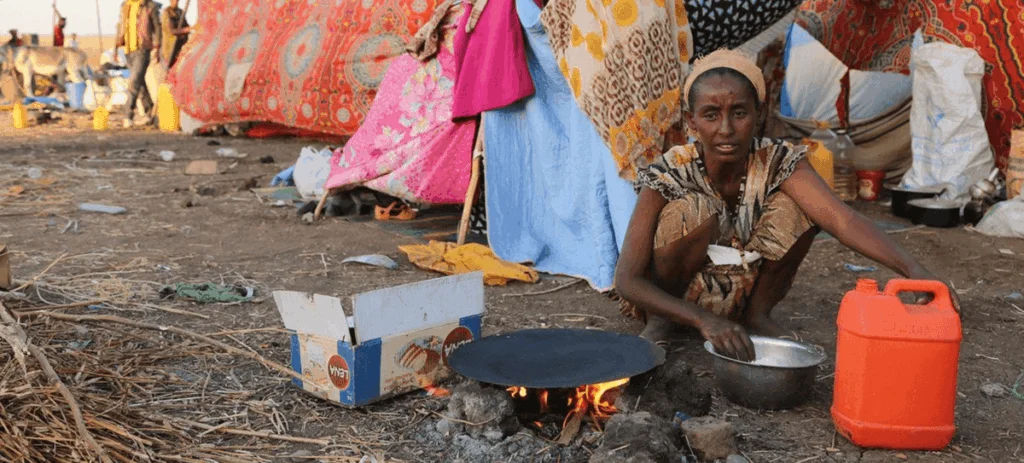
Somalia is facing a deepening humanitarian and hunger crisis driven by consecutive failed rainy seasons and prolonged drought. Around 6.5 million people, about one in four Somalis, are experiencing severe food insecurity, with rural and displaced communities in Bay and surrounding regions among the hardest hit.
At the same time, humanitarian funding cuts have sharply reduced food aid, cash transfers, and livelihood support, leaving families with almost no assistance.







































Comments
Sign in with Google to comment, reply, and like comments.
Continue with Google