An Independent Commission of Inquiry established to investigate the civil unrest that erupted during and after the Tanzania general elections held on October 29, last year, has concluded that the protests were unlawful and deliberately orchestrated to create chaos, to disrupt the electoral process.
The Commission said it sought to establish the effects of the protests on the general population and the country and established that 518 deaths, majority men at 419 and 28 women occurred at the time (216 being unnatural deaths some with brain damage and heart attacks and others with missing body parts), a figure that the commission says is inconclusive as some bodies were picked by their kin and buried without being taken to the morgues and others, 39 are still missing even after they had been located in morgues and some families did not report their loss with the commission.
Dar es Salaam, Mwanza, Mbea and Arusha are some of the areas that were leading in deaths.
The Chairperson added that the majority of the wounded were found with broken limbs, neck injuries, others with burn wounds, some with gunshot wounds on lower bodies and others on upper bodies.
At least 2,390 civilians were treated in public hospitals, some suspected to have fled to neighbouring states to get treatment to avoid being arrested.
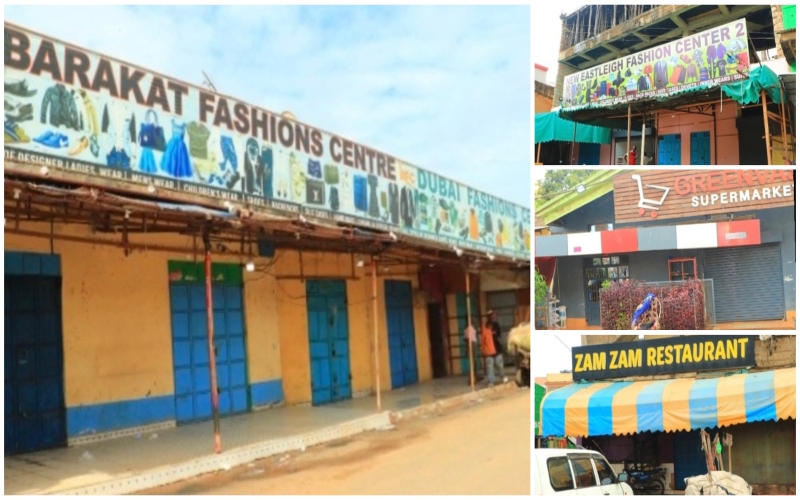
The report also found that the protests aimed at passing on a message to the state that the young people want to be heard and get their needs addressed, and were aimed at causing theft and destruction of property, as captured on multiple clips where businesses were looted.
This is according to the report that was released on Thursday at State House, Dar es Salaam, which says that evidence has since been collated using statements from the affected business owners.
The report was unveiled by the Commission’s panel of experts led by its Chairperson, Chief Justice (Rtd) Mohammed Chande Othman, who noted that his team was carrying out a fact-finding mission and thus did not name individuals that will be held accountable for the crimes allegedly committed at the time.
Instead, the report calls for, among others, reconciliation to address the grievances raised during the period and for security agencies to probe the highlighted criminal conduct.
The Commission said it relied upon evidence from over 1,000 victims of the poll violence, interviews with witnesses, Focus Group Discussions, site visits and forensic analysis of the images and videos widely shared on social media regarding the violence that occurred at the time.
It found that violence was concentrated in 212 areas, including Arusha and Mwanga.
According to the report, the protests did not follow due process as they were held without the requisite 48-hour prior notice that the law requires from organisers.
The report, as read by the judge, further reveals that the motive of the protests was to disrupt a legal electoral process, thus going against the requirements of a lawful protest.
Furthermore, he said the protesters ferried weapons to the protest venues, deliberately attacked electoral officials, destroying their resources and prevented civilians from participating in the electoral process.
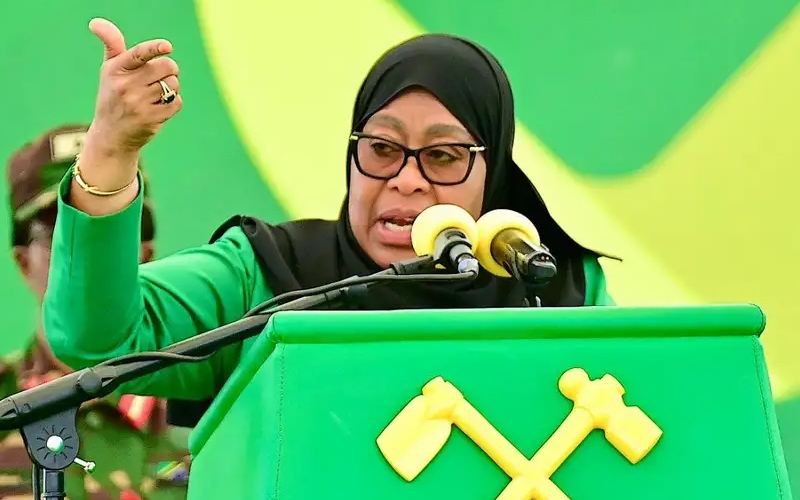
“It is the view of the Commission that the protests that occurred were not peaceful. Evidence shows that they were planned, facilitated and carried out by coached persons,” the retired judge said.
Some of the coached participants, he said, were boda boda riders, persons from low-income households and street boys, some of whom confessed to having received between Tsh10,000 and Tsh50,000 to participate in the protests in the promise of better lives.
They blocked roads, torched infrastructure, used bodabodas to start chaos and adopted coded communication to conduct their activities, the report found.
The judge said the facilitators and planners of the protests took advantage of civilians' grievances against the state to incite them to violence.
The grievances included politics of governance, high cost of living, lack of employment opportunities, police abductions, a cavalier attitude by lower cadre civil servants towards the public and their official responsibilities.
These grievances were then repeatedly shared on social media by content creators, politicians and activists using particular slogans like #NoReformsNoElections, #SamiaMustGo.
On reports of some people being shot inside their residential houses and workplaces, the commission said the claim indicates likely use of force that requires further inquiry.
Regarding claims of there being mass graves in Dar Es Salaam, the commission said it inspected and carried out interviews with key persons, subjected satellite images to a forensic probe and established that they were false.
The judge said intelligence reports by the Tanzania Communications Regulatory Authority (TCRA) showed that signs of unrest began showing six months before the elections.
The chaos led to over Tsh20 billion worth of economic losses on both state and civilian properties.






















Comments
Sign in with Google to comment, reply, and like comments.
Continue with Google