Mali has banned the use of motorcycles with engines of 125 cc and above outside major urban centres as part of new security measures aimed at curbing the mobility of armed groups amid a deepening insurgency.
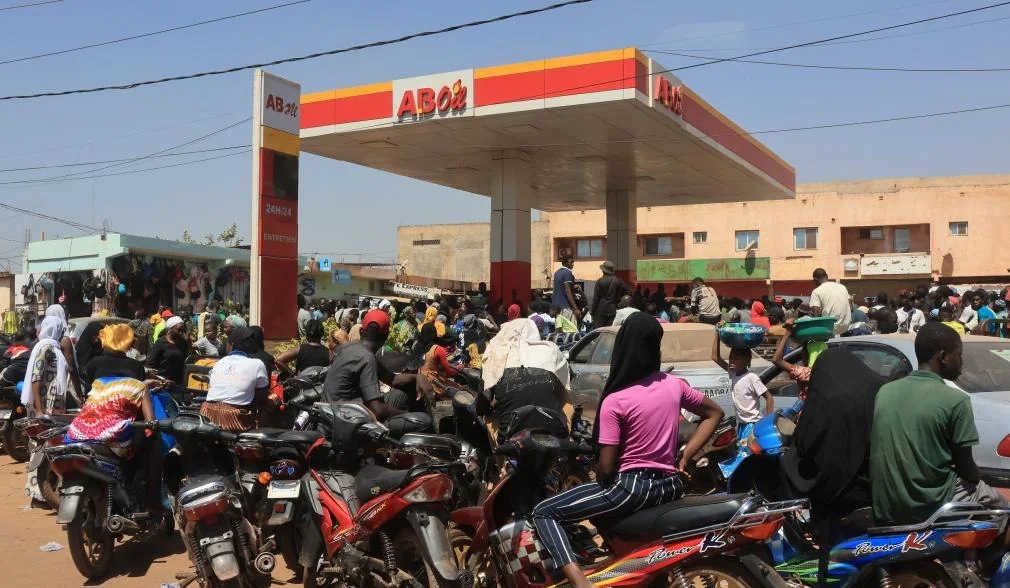
Motorcycles are widely used by armed groups operating in Mali’s rural areas, where they provide mobility across difficult terrain. The directive, broadcast on national television on Wednesday, suspends the circulation of the affected motorcycles across most of the country, with exceptions made for Bamako, regional capitals and certain other urban areas.
According to AFP, the order also imposes a nationwide ban on the import, transit, sale and free distribution of motorcycles in the same category, along with their accessories.
The restrictions come as the country faces an escalating security crisis following coordinated attacks on military positions and subsequent blockades of key routes into Bamako that have disrupted transport links.
The Al-Qaeda-linked Jama’at Nusrat al-Islam wal-Muslimin (JNIM) group began disrupting and blocking major roads into Bamako around late April, initially focusing on restricting fuel transport. However, that pattern has since broadened, with multiple key highways now affected and a wider range of civilian goods being disrupted as the blockade intensifies.
According to Amnesty International, by early May, reduced and unreliable deliveries along key supply corridors had already begun affecting the availability of essential goods in local markets. Residents are also increasingly facing rising prices for basic commodities, alongside growing uncertainty over access to food, fuel and medical supplies.
The situation, Amnesty says, is no longer just a breakdown in transport logistics, but one that is beginning to raise serious humanitarian and legal concerns. According to the group, the restrictions on movement and supply routes are now directly affecting civilians’ access to necessities required for daily survival.
“Sieges should not violate the economic and social rights of the civilian population," Marceau Sivieude, Amnesty's Regional Director for West and Central Africa, said earlier this month, adding that armed groups must ensure civilians retain access to adequate water, food and other essentials.
Beyond the immediate shortages, Amnesty has stressed that the restrictions risk undermining protections under international humanitarian law, particularly where essential supplies are deliberately or indiscriminately obstructed.

























Comments
Sign in with Google to comment, reply, and like comments.
Continue with Google