South Africa has dispatched Foreign Minister Ronald Lamola to Ghana in a bid to ease mounting diplomatic tensions over recurring xenophobic attacks on African migrants, as Pretoria and Accra harden their positions ahead of a possible African Union debate.
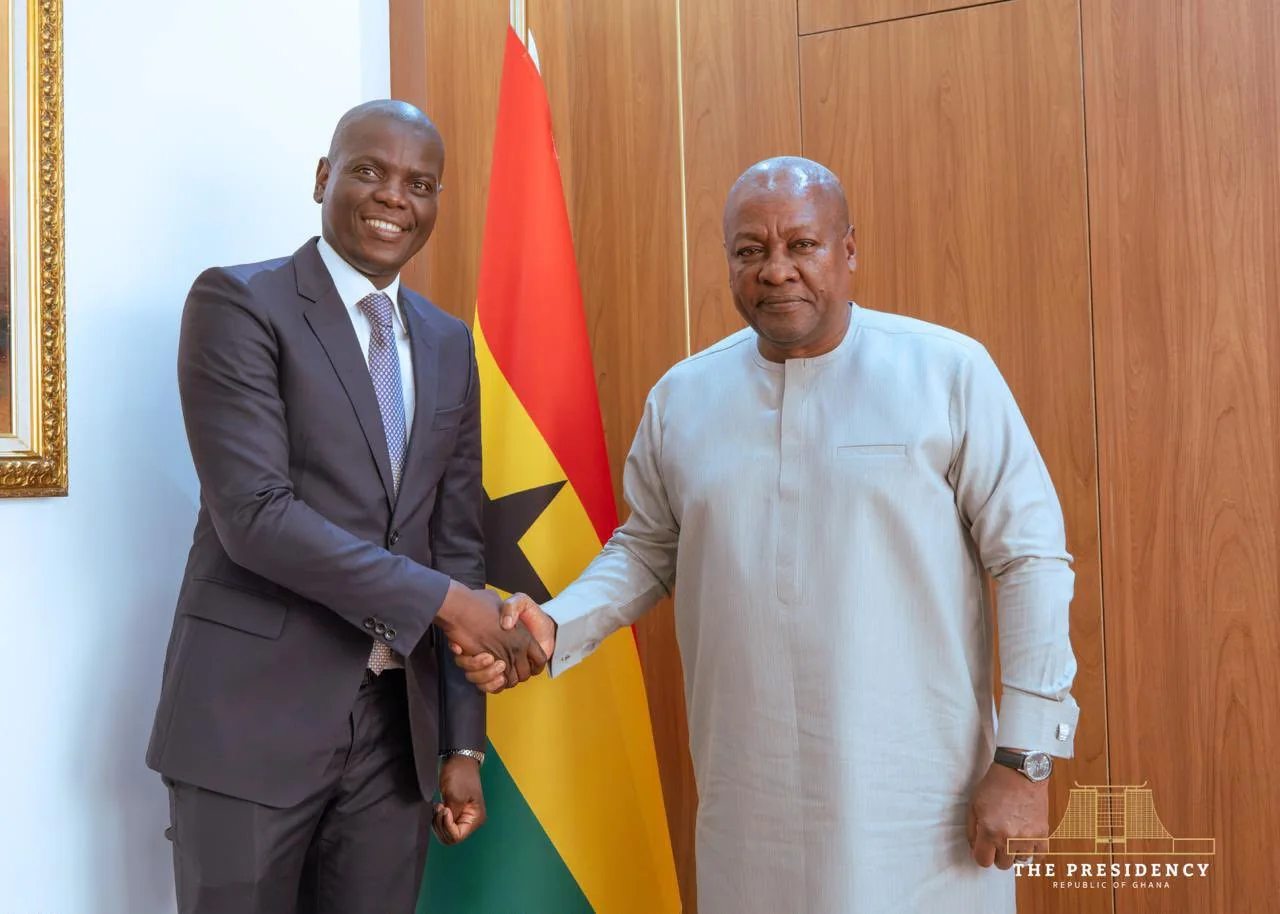
Lamola met President John Mahama on Wednesday, days after South Africa accused Ghana and Nigeria of leading a campaign to isolate Pretoria over the treatment of foreign nationals.
Following the meeting, Lamola reiterated South Africa’s opposition to xenophobia and all forms of discrimination.
“We underscored our position against all forms of intolerance. We categorically reject xenophobia, racism, homophobia and violence in all forms, and remain steadfast in upholding the rule of law,” he said.
The foreign minister added that South Africa remained committed to the African Union’s vision on migration.
“We advocate for safe, regular and orderly migration across the continent. To this end, the push and pull factors on irregular migration must be addressed,” Lamola wrote on X.
President Mahama welcomed the engagement but maintained that Ghana would continue pushing for continental action.
While stressing that Ghana harboured no hostility towards South Africa, Mahama said repeated attacks on African migrants could not be ignored and confirmed that the matter would be raised at the next African Union summit for discussion and accountability.
The diplomatic exchange follows a joint initiative by Ghana and Nigeria to place what they describe as Afrophobic attacks in South Africa on the AU agenda.
In a joint statement issued earlier this week, the two West African countries agreed to coordinate efforts to secure a continental debate while calling for stronger early-warning systems and preventive diplomacy to protect African migrants.
If endorsed by AU member states, the proposal would elevate the issue from a bilateral dispute to a formal agenda item for African heads of state.
Nigeria’s support has significantly strengthened Ghana’s initiative, giving it the backing of two of West Africa’s most influential countries.
Pretoria, however, has dismissed the campaign as politically motivated.
Presidency spokesperson Vincent Magwenya said Ghana and Nigeria would not succeed in using migration to isolate South Africa from the rest of the continent.
“What Ghana and Nigeria will not succeed in doing is to use the challenge of illegal migration as an instrument to isolate South Africa from the rest of the continent,” Magwenya told the Mail and Guardian.
“That campaign will fail as it is faltering even now.”
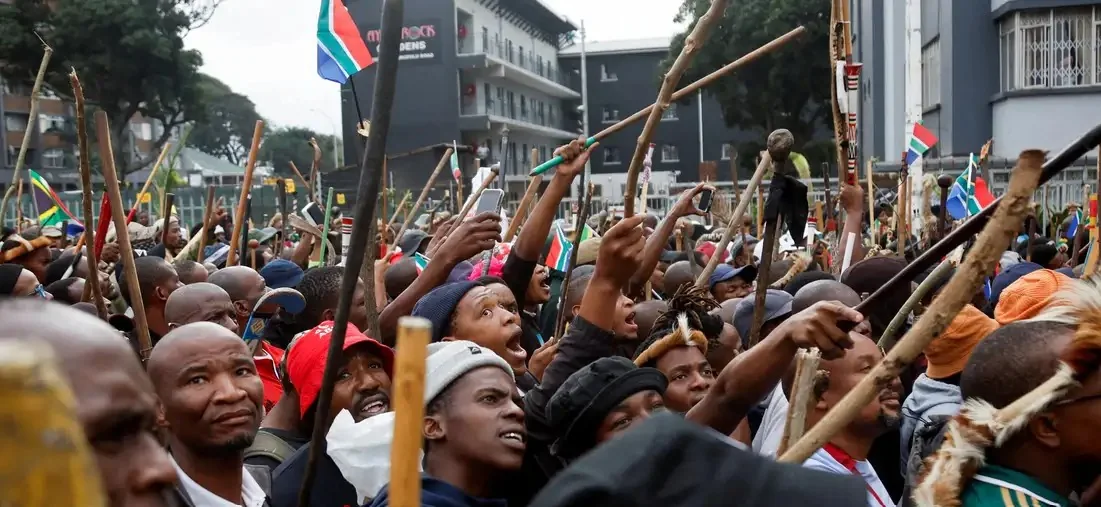
Relations between Pretoria and several African capitals have become increasingly strained following renewed anti-illegal migration protests in South Africa and criticism over attacks targeting foreign nationals.
Last week, South Africa accused Ghana, and to a lesser extent Nigeria, of leading a sustained diplomatic campaign to portray Pretoria as increasingly isolated in Africa.
The Presidency said the Department of International Relations and Cooperation had formally raised its concerns with Ghana’s High Commissioner.
The dispute reflects a widening divide over how the issue should be framed.
Ghana and Nigeria argue that repeated attacks on African migrants constitute Afrophobia requiring a coordinated continental response.
South Africa insists the central issue is illegal migration, arguing that immigration enforcement should not be equated with hostility toward African nationals.


















Comments
Sign in with Google to comment, reply, and like comments.
Continue with Google