Construction of Kenya’s first PPP-funded transmission lines set for August 2026
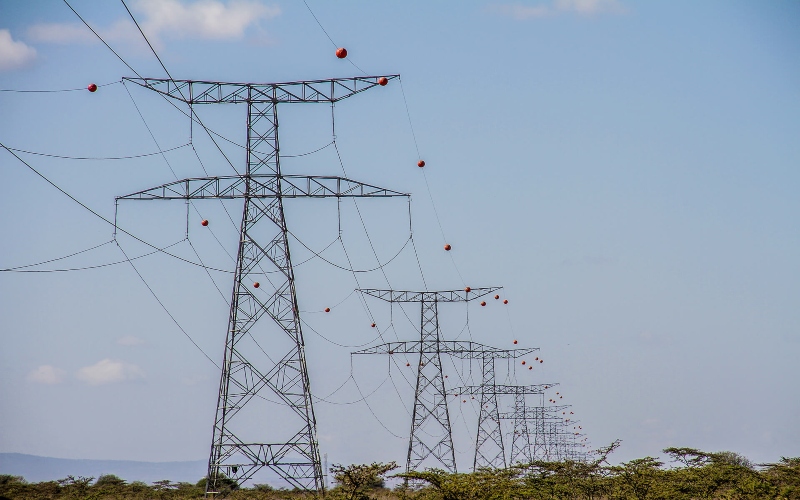
The PPP covers the construction of two major lines: the 400 kilovolts (kV) Lessos-Lossuk line and the 220kV Kisumu-Kibos-Kakamega-Musaga line.
Kenya is fast-tracking the launch of its first Public-Private Partnership (PPP) funded electricity transmission lines, with construction targeted to begin by August 2026.
The $311 million (Sh40.4 billion) project aims to alleviate pressure on the national power network, which has struggled to meet rising demand, especially in Western Kenya, where frequent blackouts have become frequent.
More To Read
- Kenya Power faces critical staff shortages as over 2,700 employees to retire by 2026
- Kenya sets ambitious energy expansion with new national policies and transport financing
- Cabinet approves second-generation smart driving licences to revolutionise road safety
- Consumers to get more units for less as electricity tariffs decline
- Auditor General flags Kenya Power for missing 30 per cent tender quota for youth, women, and PWDs
- Kenya’s electricity demand hits all-time high of 2,439 MW, straining power generation capacity
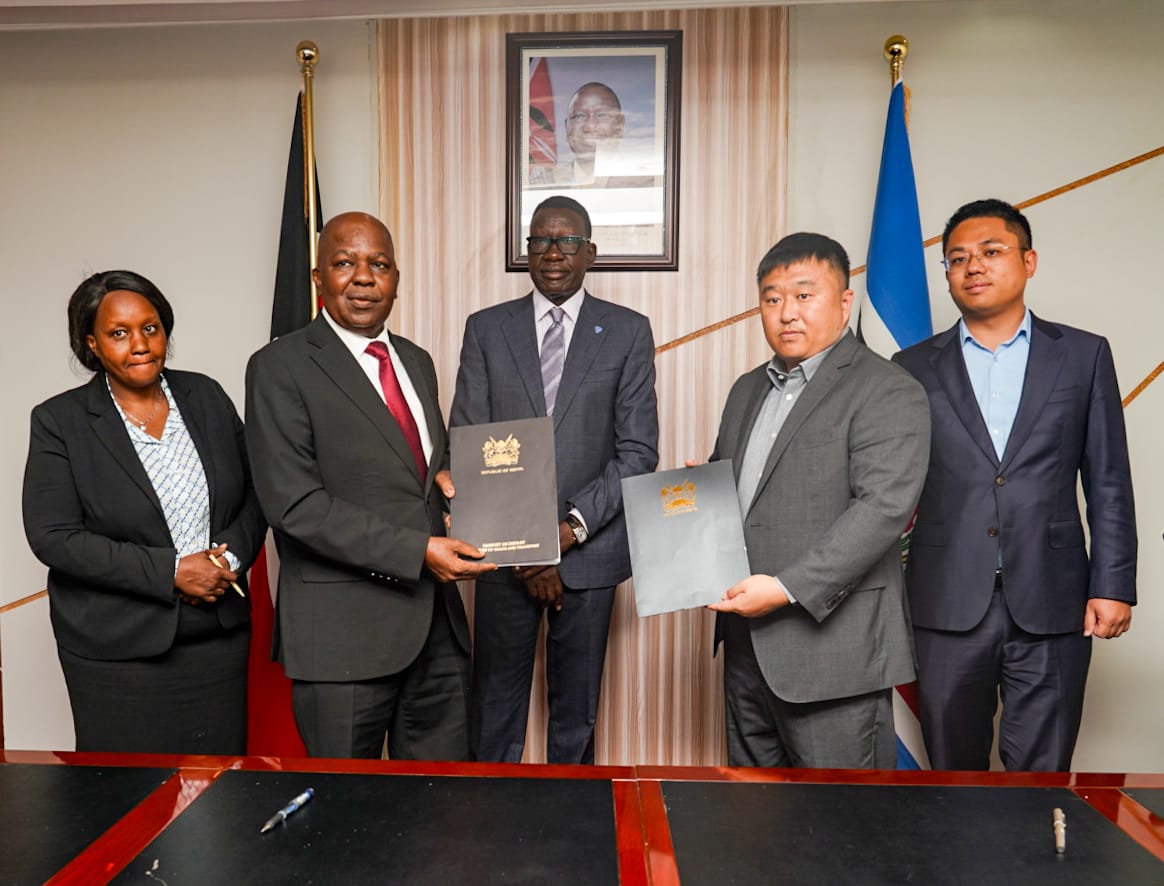
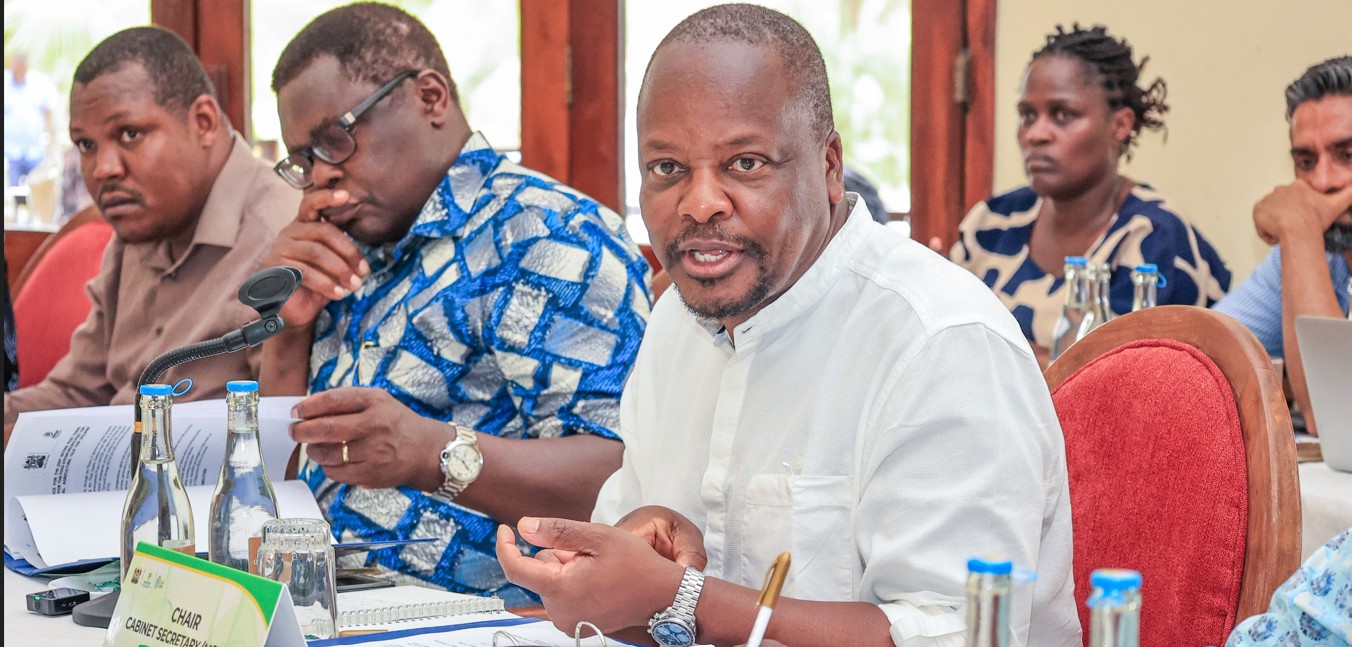
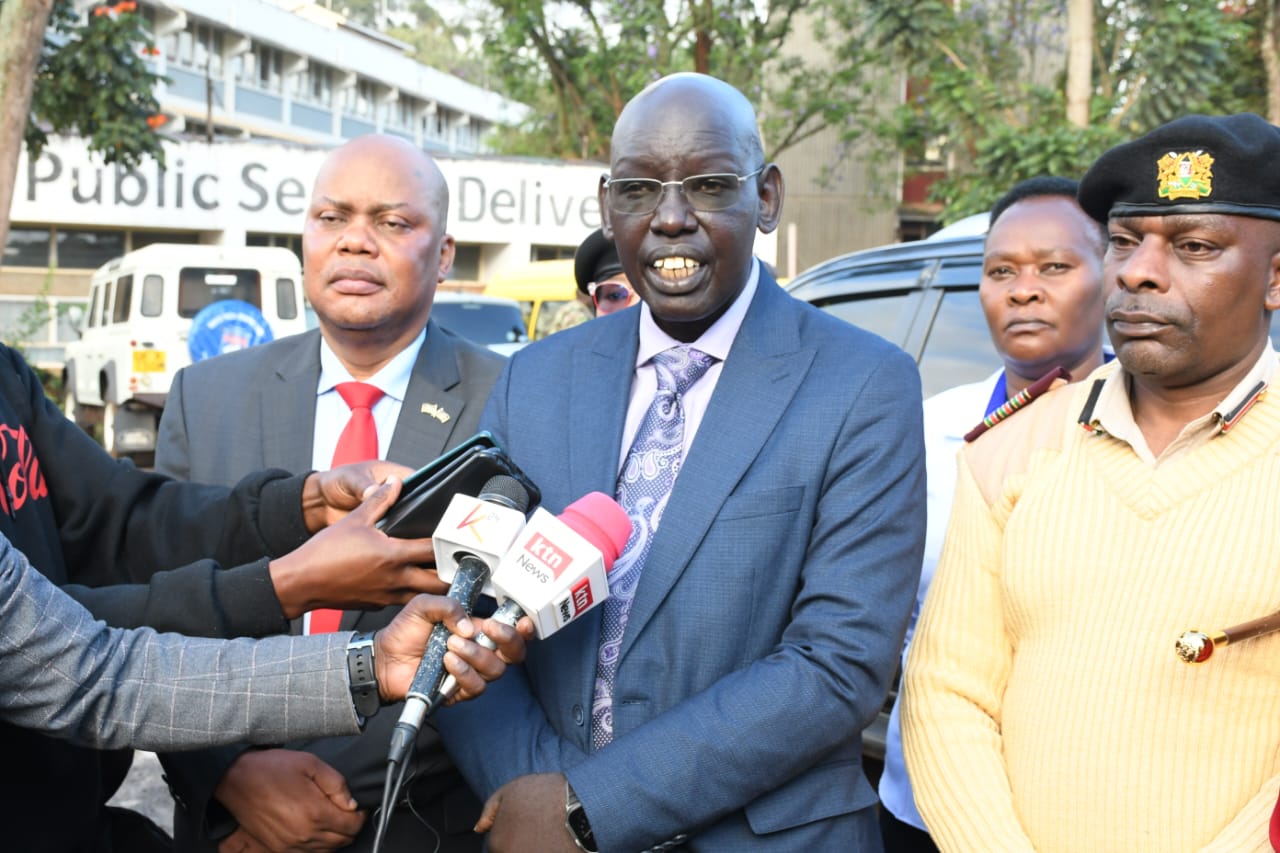
Principal Secretary in the State Department of Energy, Alex Wachira, urged Africa50, an infrastructure investment platform backed by the African Development Bank (AfDB), and PowerGrid Corporation of India to accelerate discussions with lenders and contractors.
“The agreement says that works should start within 12 months, but as a government, we need to fast-track this to within eight months to move with speed and ease pressure on our current transmission lines,” Wachira said.
The PPP covers the construction of two major lines: the 400 kilovolts (kV) Lessos-Lossuk line and the 220kV Kisumu-Kibos-Kakamega-Musaga line. Both projects will also include new substations to support electricity distribution across the region.
Once operational, the lines will strengthen supply to Kisumu, Vihiga, and Kakamega counties, improving voltage stability and reducing the frequent outages that have affected homes, businesses, and essential services.
Kenya Electricity Transmission Company (Ketraco) has noted that the country’s ageing transmission infrastructure is a key factor behind unreliable supply.
Overloaded lines are often unable to handle sudden surges in demand, creating blackouts that disproportionately affect Western Kenya.
The new PPP-funded lines will provide much-needed capacity to accommodate growing energy needs while enhancing overall network reliability.
Under the agreement, Africa50 and PowerGrid will own, operate, and maintain the lines for 30 years. During this period, they will recover their investment while servicing the loans used to fund the project.
This arrangement represents the first time Ketraco has partnered with private investors in the operation and maintenance of transmission infrastructure, marking a significant shift in Kenya’s energy strategy.
Officials say the project is a model for faster delivery of critical infrastructure through private sector collaboration.
By adopting the PPP approach, the government expects to improve efficiency in construction and maintenance, reduce the burden on public funds, and deliver a more stable electricity supply to households and businesses in Western Kenya.
The lines are also expected to ease congestion on existing networks and provide a foundation for future expansion of the national grid.
Top Stories Today