Mbadi rules out new taxes on mobile phones, cryptocurrency and bread in Finance Bill 2026
Listen to article

Related story
Finance Act 2026: Key tax proposals dropped
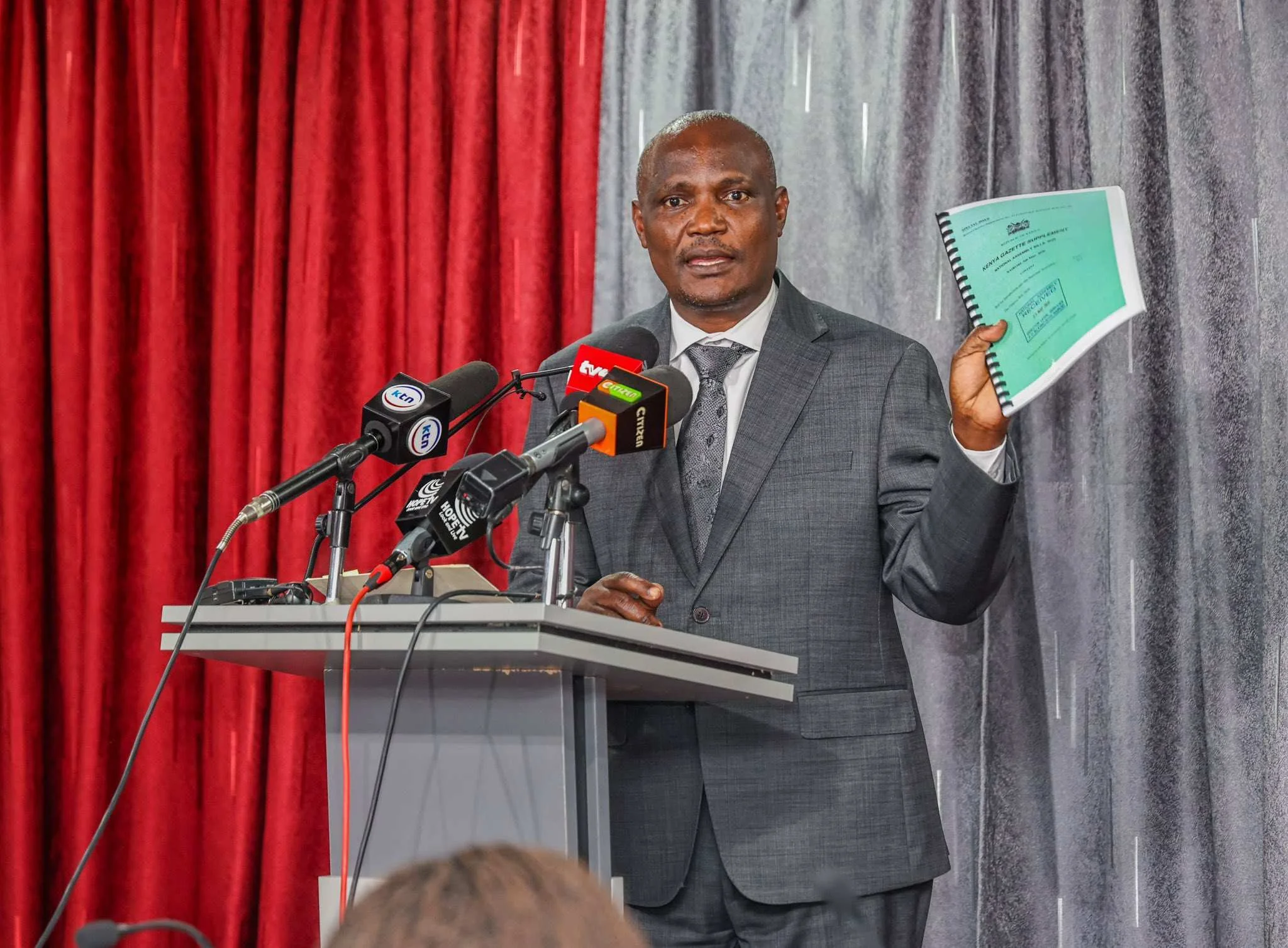
Treasury CS John Mbadi said the government intends to streamline existing levies and improve efficiency in tax collection rather than impose fresh charges on citizens.
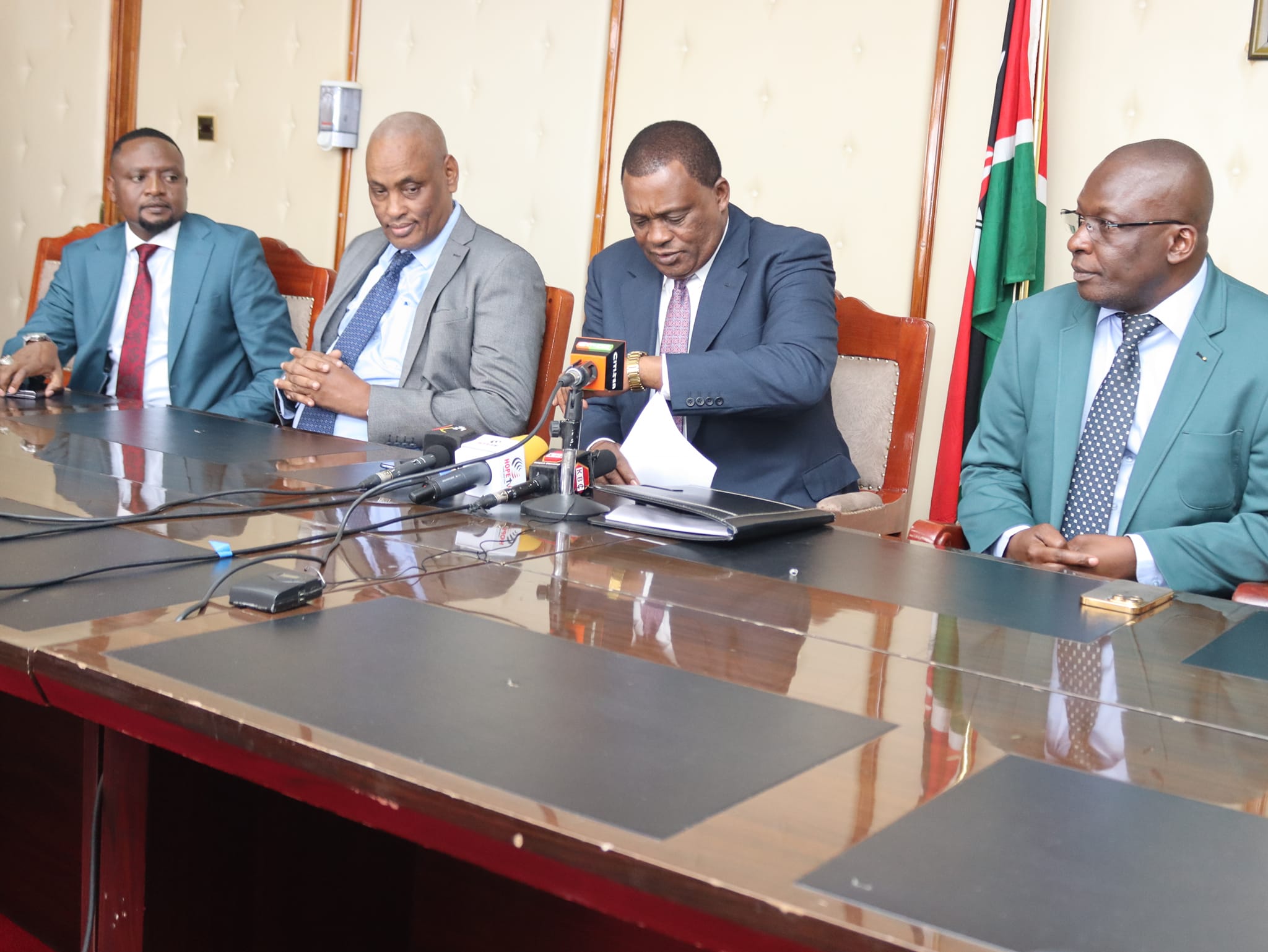
The National Treasury has ruled out introducing new taxes on mobile phones, cryptocurrency and bread under the Finance Bill 2026, saying most of the contested proposals are aimed at simplifying the current tax system rather than increasing the burden on Kenyans.
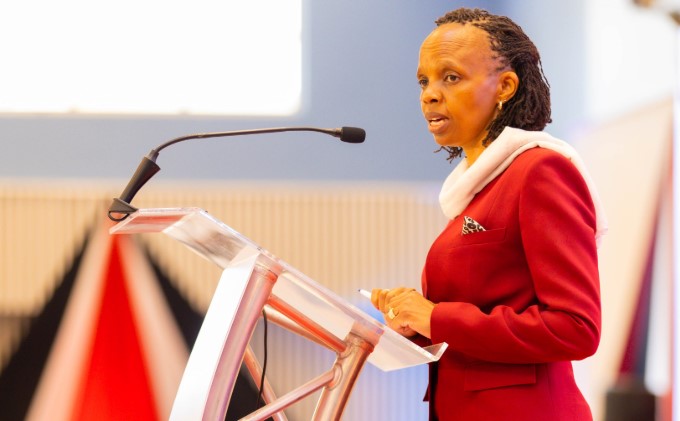
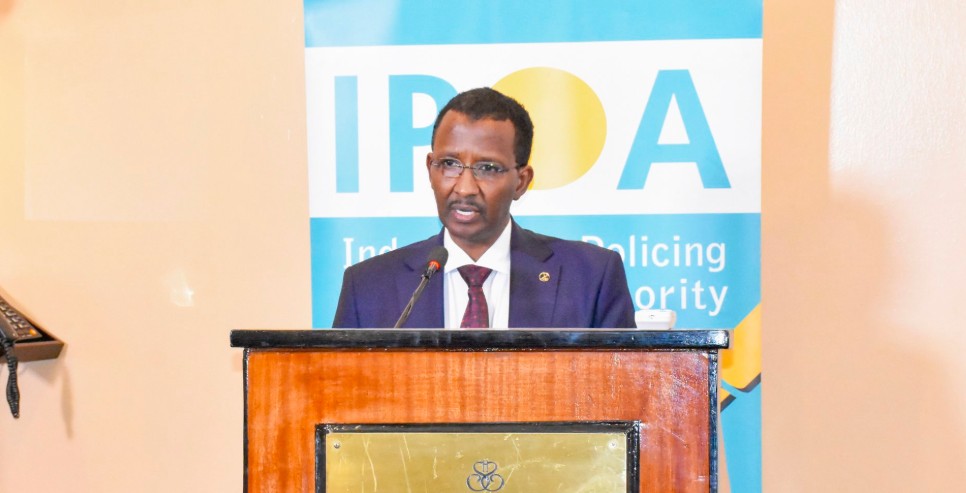
Addressing the media on Monday, Treasury CS John Mbadi said the government intends to streamline existing levies and improve efficiency in tax collection rather than impose fresh charges on citizens.
He clarified that mobile phones already attract multiple taxes along the import and supply chain, including 16 per cent VAT, 10 per cent excise duty, 25 per cent import duty, a 2.5 per cent import declaration fee, and a 2 per cent railway development levy, amounting to a combined tax burden of about 55.5 per cent.
More To Read
- Finance Act 2026: Key tax proposals dropped
- COFEK in court to stop Finance Bill 2026 proposals, cites violations to consumer rights
- Opposition leaders fault Mbadi’s Sh4.8 trillion budget as pro‑corruption, unrealistic
- Mobile money users face higher charges if Parliament approves Finance Bill 2026 proposals, Telco firms warn
- CS Mbadi defends revenue projections in Sh4.7 trillion budget amid MPs skepticism
- Mbadi accuses Kalonzo of misleading Kenyans on Finance Bill 2026
He said the proposal would merge these charges into a single 25 per cent excise duty collected at the point of phone activation, replacing the current fragmented system applied at different stages of importation and distribution.
Mbadi said the current arrangement forces traders to pay taxes upfront before selling goods, straining cash flow and increasing costs. Under the new framework, VAT, import duty, import declaration fees and the railway development levy would be removed for mobile phones, with the government describing the change as a move toward efficiency and transparency.
“The proposal does not introduce a new tax on mobile phones. The proposal was conceived as a tax simplification and rationalisation measure rather than a new tax on digital access," he said.
Latest Stories
- DPP approves bribery charges against Kangema magistrate, probation officer over Sh150,000 bribe
- Waqf Commission selection enters next stage as panel shortlists 35 candidates
- Salvage contractor appointed as MV DAN recovery off Nyali Beach enters final approval stage
- High charges at Mombasa Port eating into tea farmers' incomes, exporters warn
He further dismissed claims that digital content creators would face a new 5 per cent withholding tax, saying no such levy has been introduced in the Bill. Treasury also denied reports of VAT on bread, a revived vehicle circulation tax and claims that the government would access personal mobile money or phone data, insisting existing data protection laws remain in force and KRA cannot access Mpesa records.
Mbadi also addressed concerns over crypto taxation, saying proposals on digital assets are meant to close regulatory gaps and align reporting standards with traditional financial systems.
“The rapid growth of digital and virtual asset transactions has created gaps in the legal framework due to a lack of clear reporting obligations,” he said.
He added that the aim is to introduce record-keeping rules similar to those used in formal financial sectors.
Treasury also confirmed that proposed increases in residential rental income tax and taxes on imported mitumba clothing were withdrawn after public consultation.
He emphasised that many of the claims circulating online are based on misinterpretations.
The clarification comes as the Bill undergoes public participation in Parliament, with growing debate over digital taxation and cost-of-living pressures.
On fiscal policy, the National Treasury warned that Kenya may be forced to revise or cut the 2026/27 budget if economic growth slows further, citing tightening revenues and rigid expenditure commitments. Mbadi said the government is reviewing its growth projections, noting that the current estimate of about 5 per cent may be revised downwards.
“We are monitoring the situation. All economies are revising growth projections downwards, including Kenya,” he said.
He added that once growth declines, revenue will also fall, forcing difficult decisions on financing through borrowing or taxation, both of which he said are constrained.
“We have no option but to come for more taxes. Borrowing is another no-go zone. “So what is the other option left? Cut the budget. However painful it is, we may go that route,” Mbadi said, warning that spending cuts may become unavoidable, although no final decision has been made.
He noted that the proposed Sh4.82 trillion budget is already heavily rigid, with debt servicing of about Sh1.5 trillion, salaries, county allocations and programmes like education capitation, CDF, pensions, fertiliser subsidies and security taking up most of the remaining fiscal space.
“The budget is so rigid. We have boxed ourselves,” he said.
He also defended efforts to stabilise the shilling, warning that depreciation would increase debt repayment costs, and criticised calls to end government-to-government oil imports, saying such moves could destabilise the economy.
The CS stressed that Kenya remains under fiscal pressure despite avoiding immediate default risks, adding that careful management is still required.
Top Stories Today




































Comments
Sign in with Google to comment, reply, and like comments.
Continue with Google