Slum residents urged to adopt 'localised solutions' to mitigate climate change effects
Listen
Read this story aloud
Listen to the clean text version of this article.
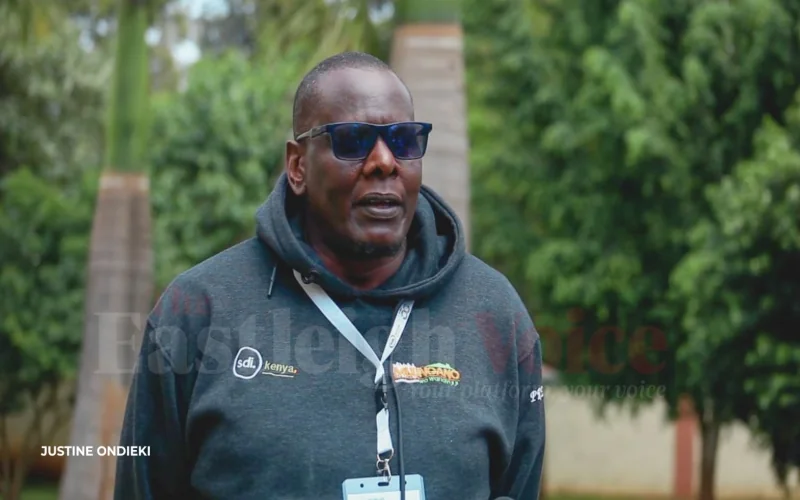
Stakeholders in the country’s housing and settlement sector, who emphasised that residents of informal settlements, especially in urban areas, are among the hardest hit by climate change.
More To Read
- The world has the science to transform food systems: The next frontier is scaling it
- A Super El Niño is coming: Five hard‑won lessons the world can learn from Africa
- How the cocoa price crash is crushing West African farmers
- Nearly 60 people killed in Ivory Coast floods since May
- EU, IOM launch regional programme to tackle climate displacement, response
- Uganda arrests Danish wildlife journalist Klaus Thymann amid press freedom concerns
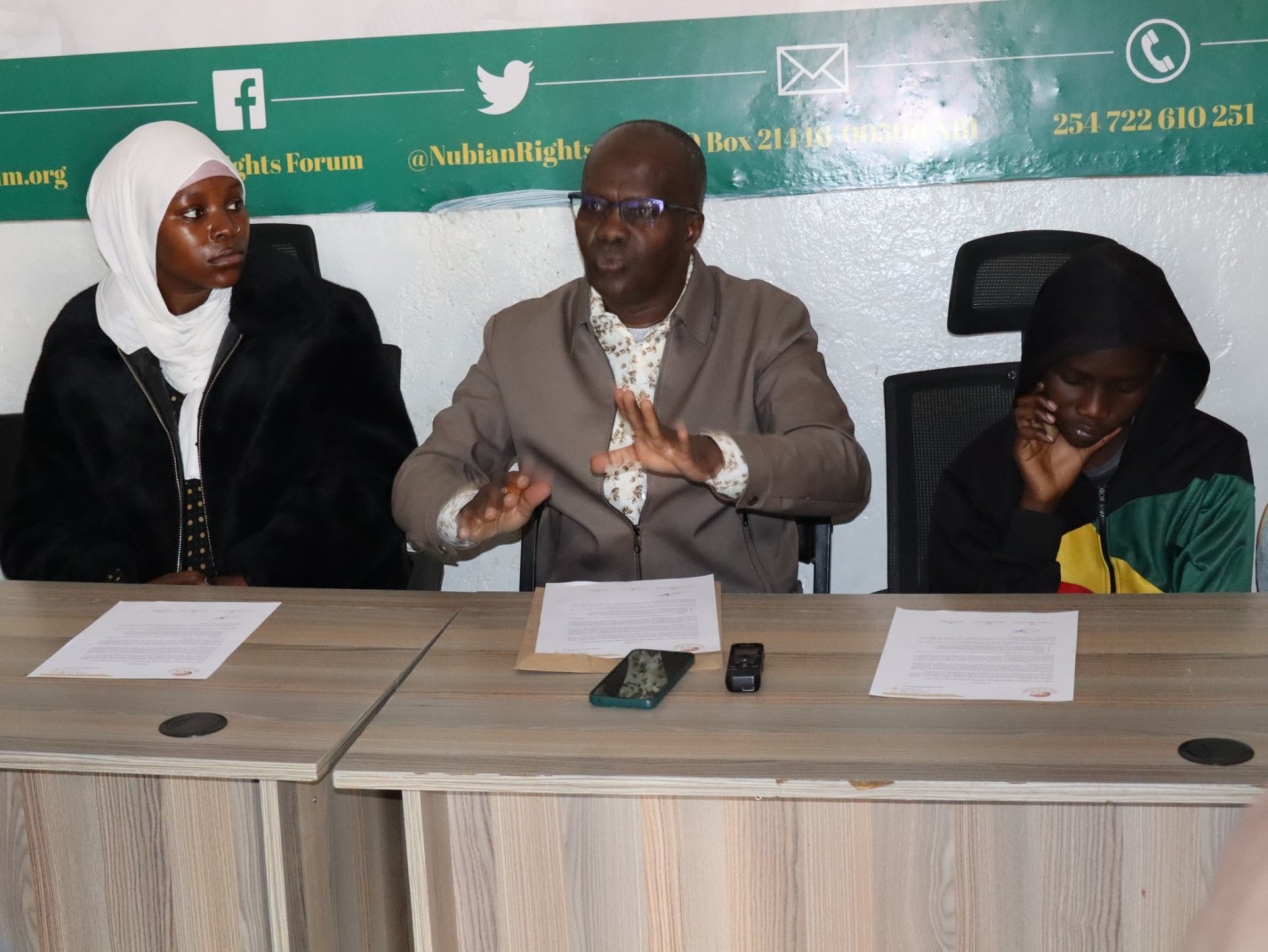
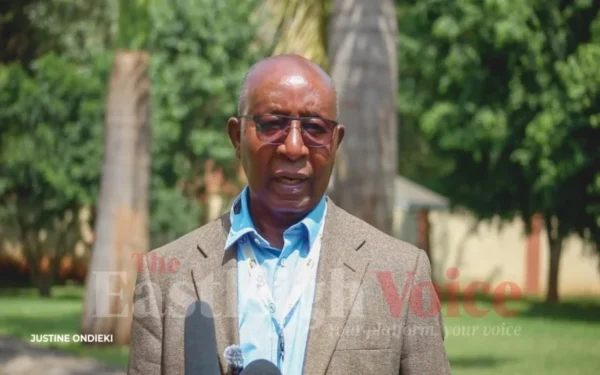 President of Slum Dweller International (SDI), Prof Peter Njoroge. (Photo: Justine Ondieki)
Latest Stories
- Kylian Mbappé faces legal threat from Paraguayan senator over 'despicable woman' remark
- MSF seeks SHA funding for analogue insulin pens to improve diabetes treatment
- 10 arrested in Nairobi as police clamp down on Saba Saba protests
- Court hears Paul Mackenzie directed follower to fast during call from Shimo la Tewa Prison
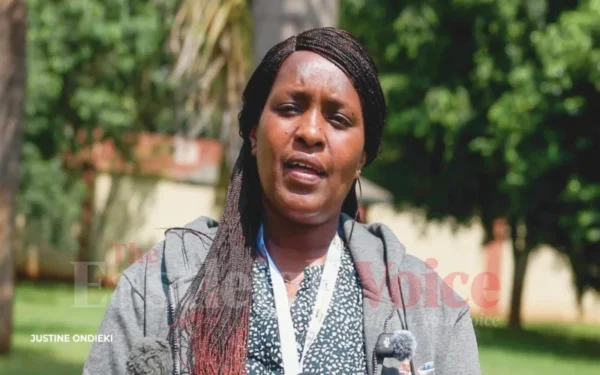 Mathare resident Nancy Njoki. (Photo: Justine Ondieki)
Top Stories Today




































Comments
Sign in with Google to comment, reply, and like comments.
Continue with Google