Higher Education institutions could be headed for tougher times after Members of Parliament (MPs) flagged major funding gaps in the proposed Sh164 billion budget, warning that the shortfall may affect service delivery and the quality of learning.
The legislators, sitting in the National Assembly Education Committee, say the current allocation in the 2026/27 financial year does not match the growing demand for student support through loans, scholarships and capitation, leaving critical gaps in university funding.
The concerns come at a time when student numbers continue to rise, and pending bills have now crossed Sh100 billion.
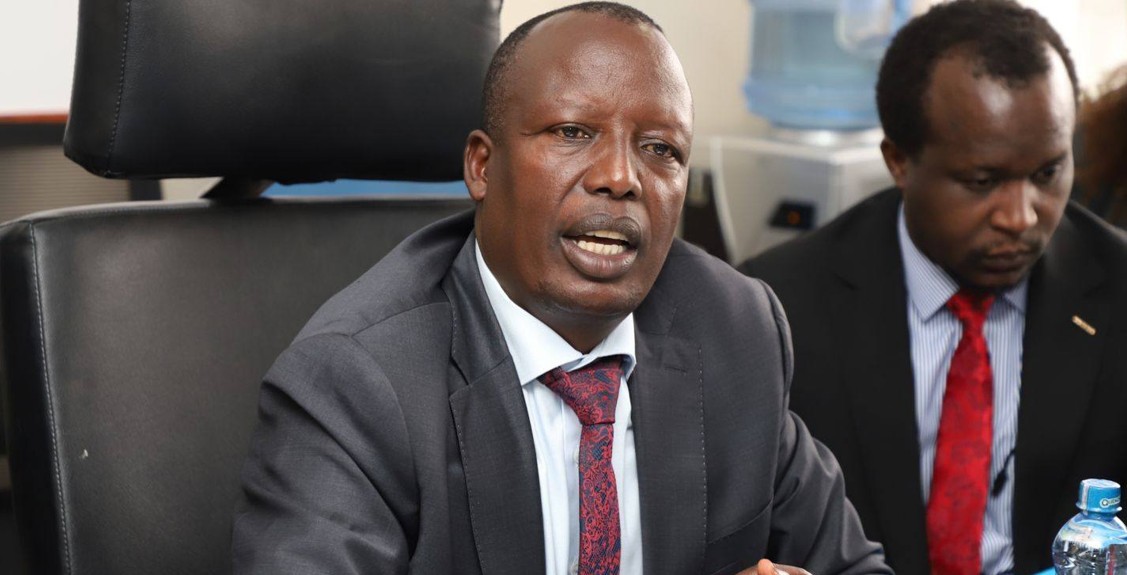
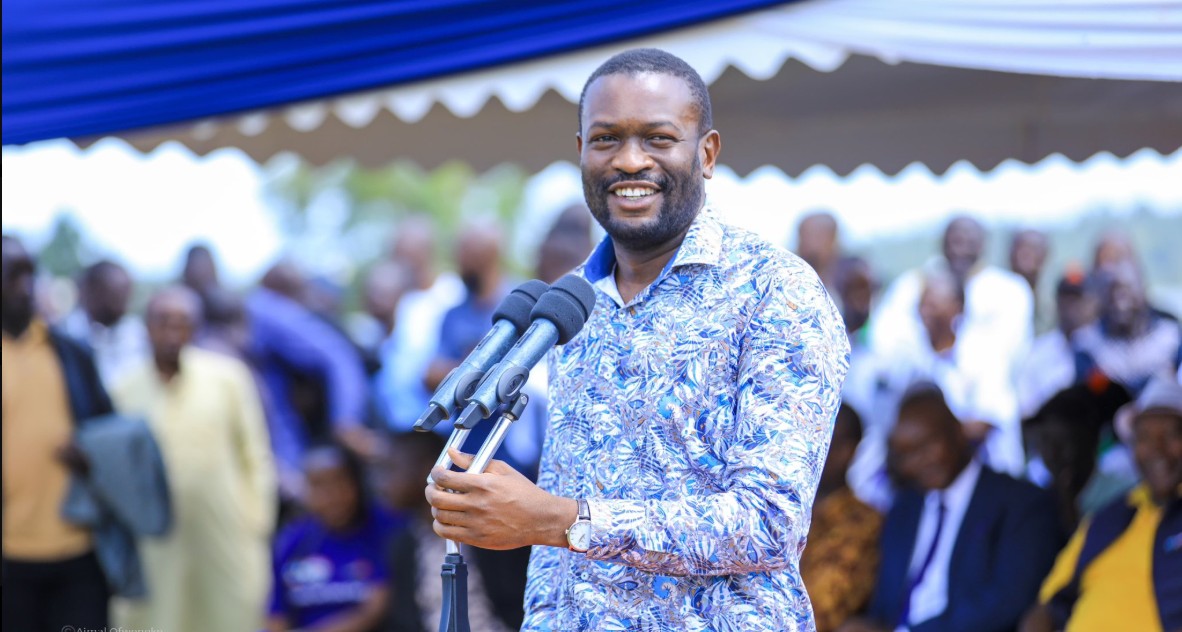
The Committee, chaired by Tinderet MP Julius Melly, warned that the sector's funding failures could weaken ongoing reforms and negatively affect education standards in public institutions.
“The resource challenge is an indication that learners at various levels are not funded as expected based on existing policies on funding,” the Committee said in its report to the Budget and Appropriations Committee.
It further warned that continued underfunding could affect outcomes in learning institutions.
“These critical resource gaps in the sector need to be addressed to ensure that the various reforms envisaged in the sector are realised and the gains made towards Education for All are not eroded,” reads the report.
“If this funding model is fully funded, the pending bills' burden on universities can be addressed.”
The Committee noted that the allocation to student-centred areas such as capitation, loans and scholarships remains insufficient, despite being key to supporting learners across universities and TVET institutions.
It warned that failure to address the gaps may weaken education delivery.
“This may, in the long run, affect the quality of education being delivered in our learning institutions, hence negatively affecting the education outcomes,” the Committee wrote.
The report also highlighted that the education sector remains central to national development goals, including skills development under Kenya’s broader economic agenda.
The Sh164.1 billion allocated to the State Department for Higher Education is expected to fund university education programmes, scholarships, student loans, infrastructure in public universities, and support to various semi-autonomous government agencies.
However, the Committee raised concerns over major shortfalls in student funding.
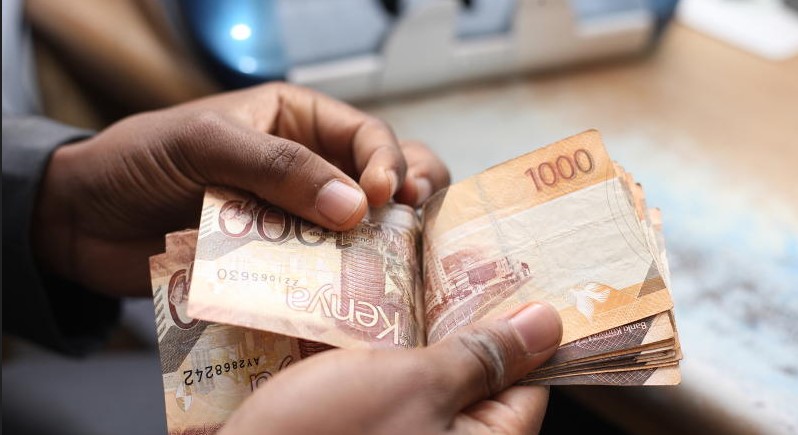
It noted that Sh112 billion is required in the 2026/27 financial year to support about 1.4 million university and TVET students, but only Sh56.3 billion has been allocated.
This is compounded by an additional funding gap of Sh44 billion accumulated in the 2024/25 and 2025/26 financial years.
The Committee warned that such deficits could render the student-centred funding model ineffective.
“Such significant funding gaps, if not addressed, make the student-centred funding model ineffective in supporting the envisaged higher education reforms since resources are not available to these institutions,” reads the report.
On scholarships, the Committee noted that the State Department requires Sh47.4 billion to support about 656,927 eligible students, yet only Sh30.9 billion has been allocated.
This leaves a cumulative scholarship funding gap of Sh38.5 billion across three financial years.
The report also flagged concerns over Higher Education Loans Board (HELB) collections, noting that Appropriation in Aid collections have remained unchanged for almost three years despite increased student numbers.
The Committee warned that this trend could weaken the revolving nature of the loan system.
“This, if not addressed, may defeat the purpose of the scheme being a revolving fund as well as create challenges as HELB explores the possibility of collateralization of the loan repayments,” it said.
The legislators also raised concern over slow progress in merging HELB, the University Funding Board and the Kenya Universities and Colleges Central Placement Service (KUCCPS), saying the move is necessary to improve efficiency in managing loans, scholarships and placements.
The report emphasised that the reorganisation is key to ensuring a smooth transition of the new funding model across universities and TVET institutions.
Meanwhile, Budget and Appropriations Committee chair and Alego Usonga MP Samuel Atandi criticised the Ministry for failing to implement proposals raised during public budget hearings.
“It is wrong for the Ministry of Education to ignore proposals from the people during the budget hearings, on the kind of projects and where they would want them established,” Atandi said.
“As a Committee, we will not sit back and watch the Ministry as it ignores what the people want implemented,” he added, noting that the Committee will include firm recommendations in its report to Parliament.


























Comments
Sign in with Google to comment, reply, and like comments.
Continue with Google