The surge in anti-migrant violence and intimidation across South Africa has displaced tens of thousands of people and disrupted access to essential healthcare for many affected communities, prompting Doctors Without Borders (MSF) to launch an emergency medical humanitarian response.
The violence has resulted in at least four deaths, numerous injuries and the destruction of homes. The organisation said its teams have been responding to urgent health, protection and dignity needs in Gauteng, KwaZulu-Natal, the Western Cape, and at the South Africa–Zimbabwe border towns of Musina and Beitbridge.
“We are deeply saddened to see people fleeing harassment and violence, and we stand in solidarity with affected communities who have had their rights to health and dignity undermined. Our priority is to address disrupted access to healthcare for those most at risk, regardless of who they are or where they come from,” Claire Waterhouse, MSF Emergency Coordinator, said, warning that the situation is not over yet and could be escalating into a humanitarian crisis.
Anti-migration groups had issued a public ultimatum for all undocumented migrants to leave the country by the arbitrary deadline of 30 June. However, two days ago, the groups moved door to door, breaking down doors and entering houses where they believed undocumented immigrants were hiding.
While organisers have stated that they are only targeting undocumented migrants, MSF patients indicated that refugees, asylum seekers and documented migrants have also experienced threats, violence and intimidation.
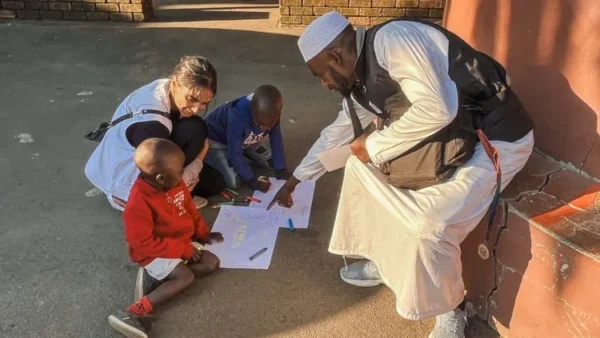 MSF psychologist Tasneem Bulbulia facilitates a creative and supportive therapy session with a Malawian family displaced by anti-migrant activity in South Africa. (Photo: MSF)
“MSF is particularly concerned about continuity of care for people living with chronic diseases such as diabetes, hypertension, mental health, HIV and TB where lack of treatment or medication interruptions can lead to serious health complications. Additionally, we are prioritising the immediate needs of young children, pregnant women, and survivors of violence. We have also treated women who have recently given birth, some with C-section wounds from a few days before the protests that have yet to heal”, says MSF nurse Phumla Tsotetsi.
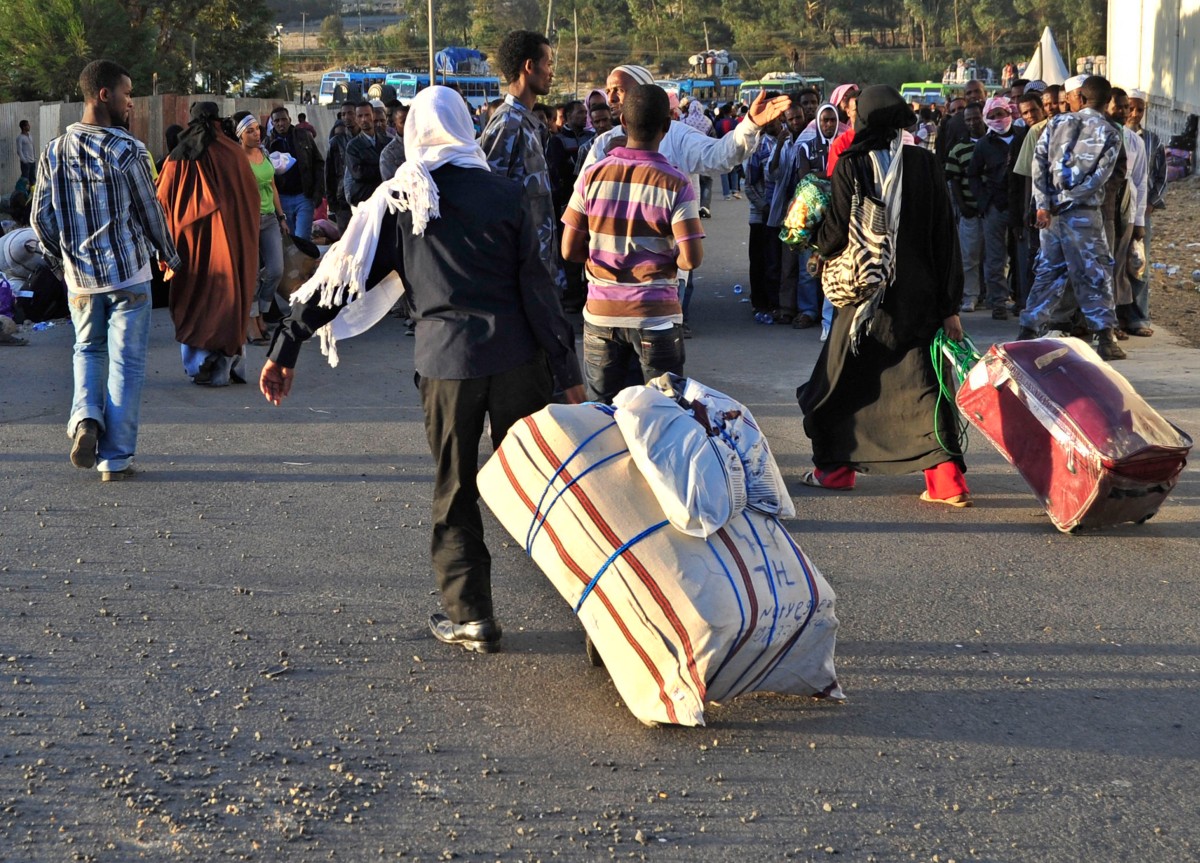
The tensions have forced tens of thousands of people, many from Malawi, Mozambique, Zimbabwe, Nigeria and Ghana, to flee their homes due to fears for their safety and threats to their livelihoods.
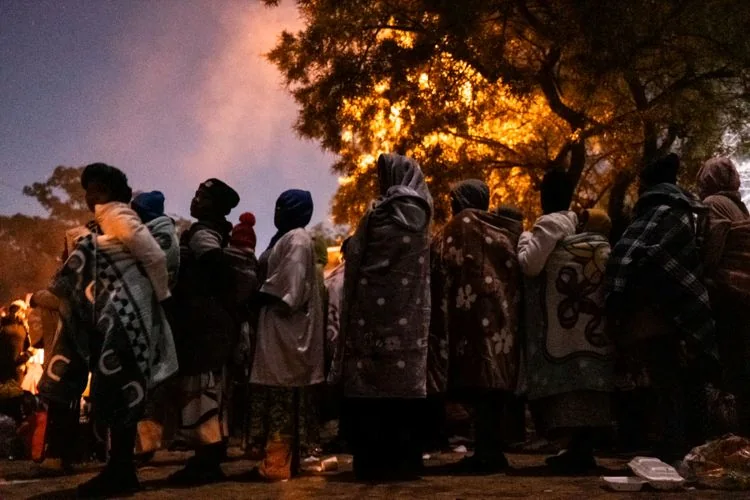
MSF notes that displaced people are seeking refuge in parks, churches, consulates, and elsewhere in South Africa, prompting emergency medical humanitarian intervention.
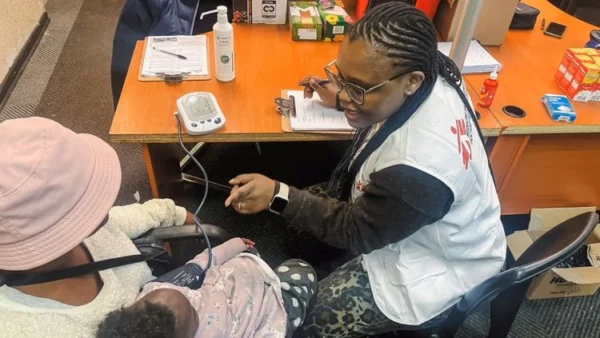 At a mobile clinic in Johannesburg, MSF are providing primary healthcare, chronic care, psychological support and first aid to displaced migrants who have fled xenophobic violence, threats and intimidation in South Africa. (Photo: Kate Stegeman)
The organisation has set up mobile clinics to provide primary healthcare, chronic care, psychological support, first aid, and to distribute essential items, including hygiene kits.
“We are monitoring sanitation management for potential public health risks in areas where displaced people have gathered. MSF teams are also supporting referral pathways to clinics and hospitals for patients requiring further care,” the organisation added.
Some of the victims have suffered severe hallucinations, others reported being evicted by their landlords because they were undocumented, and others living with medical conditions have been left homeless and without medical care.
The organisation has provided free medical care to South Africans as well as migrants, asylum seekers and refugees in South Africa and has repeatedly responded to the health impacts of xenophobic violence and barriers to healthcare access, including during major outbreaks of violence in 2008, 2009, 2015 and 2019.
Xenophobic violence has recurred in South Africa for more than two decades, often during periods of social and economic tension.
The 2008 attacks were the deadliest, killing at least 62 people and displacing more than 100,000.





























Comments
Sign in with Google to comment, reply, and like comments.
Continue with Google