Motorists association slam EPRA for retaining fuel prices despite decline in global oil prices
Listen to article

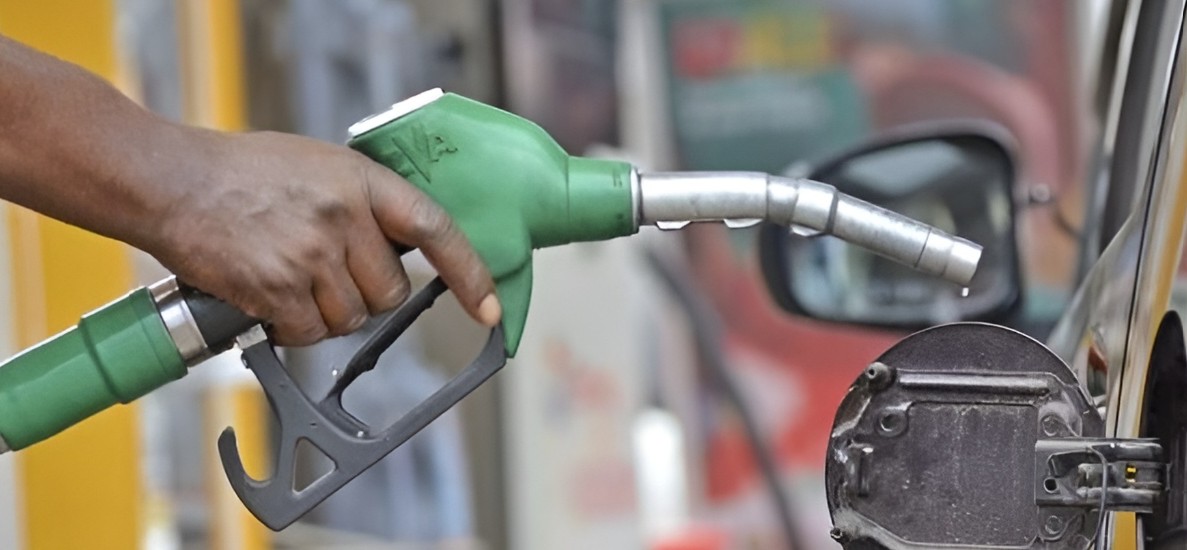
In its latest monthly review, EPRA maintained pump prices for Super Petrol, Diesel and Kerosene, allowing motorists to continue paying the same rates for the next 30 days.
Motorists have demanded an overhaul of the fuel pricing framework, saying the continued retention of fuel prices despite a decline in global oil prices has unfairly burdened consumers and businesses.
In a statement on Wednesday, the Motorists Association of Kenya (MAK) said the decision by the Energy and Petroleum Regulatory Authority (EPRA) to maintain fuel prices for the July-August pricing cycle denies Kenyans the benefit of favourable global market conditions.
More To Read
- Fuel pressure to persist as IMF projects average oil prices at Sh11,500 a barrel in 2026
- Easing Middle East tensions push crude oil prices down to Sh9,160 a barrel
- Developing nations face soaring energy bills as Middle East crisis deepens, UNDP warns
- Motorists Association demand lifting of police barricades at Nairobi entry points as commuters remain stranded
- Relief as oil prices slide to pre‑conflict levels on US‑Iran peace deal
- Oil prices slide below Sh10,736 as US-Iran peace deal raises hopes of Strait of Hormuz reopening
In Nairobi, Super Petrol will retail at Sh214.03 per litre, Diesel at Sh222.86, and Kerosene at Sh191.38 per litre, with the prices inclusive of Value Added Tax (VAT) in line with the VAT Act and other applicable tax laws.
MAK said the latest decision marked the second consecutive fuel pricing review where consumers had not enjoyed lower prices despite a sustained decline in international crude oil prices.
The Association said EPRA had previously attributed unchanged fuel prices to a pricing lag of more than 45 days, but argued that the explanation was no longer valid due to the continued favourable global oil market conditions.
Latest Stories
- Police probe loss of judge’s licensed firearm after its alleged recovery in Joska
- Social media likes may have a bigger impact on people with depression, study finds
- IEBC defends failure to punish early campaigns, cites legal limits
- Kenya opens diplomatic mission in Jamaica, expanding Caribbean presence
“When fuel prices were previously left unchanged, EPRA justified its decision by citing a pricing lag of over 45 days. That explanation has now collapsed under its own weight. The global market has remained favourable for an extended period, yet Kenyans continue paying artificially high fuel prices while government agencies shift the goalposts instead of passing savings to consumers,” the association said.
The motorists’ lobby accused the Ministry of Energy of failing to protect consumers, saying the current pricing system favours government revenue at the expense of ordinary citizens, motorists, transport operators and businesses facing high operating costs.
“The greatest tragedy is that the Energy Ministry appears to have abandoned its constitutional duty to protect consumers. Instead of ensuring fairness and transparency, the Ministry has chosen to defend a pricing regime that increasingly serves government revenue at the expense of ordinary citizens, motorists, transport operators and businesses struggling under the weight of an unbearable cost of living,” MAK said.
The Association blamed Parliament for giving the Executive and EPRA wide powers over fuel price regulation through energy law changes, saying the framework lacks enough safeguards to ensure consumers benefit from lower global prices. It added that fuel price regulation has become political and lacks transparency.
“Fuel price control has lost its original purpose. MAK supported regulation only when it was based on an independent, transparent and scientific pricing formula that insulated consumers from manipulation. Today, the process has become increasingly political, opaque and detached from the realities of the international market. Price controls should never become price suppression against consumers,” it said.
The motorists’ group called for reforms to create an independent and market-responsive fuel pricing system, urging Parliament to review laws that give excessive pricing powers to the Executive.
“MAK therefore calls for comprehensive reforms to Kenya's fuel pricing framework, including the removal of political influence from fuel price determination and the restoration of a transparent, independent and market-responsive system. Consumers deserve a pricing mechanism that reflects genuine global market movements, both upwards and downwards,” it said.
The association warned that high fuel prices continue to raise transport fares, food prices and production costs, adding that it will continue pushing for transparency and fairness in fuel pricing.
“The Motorists Association of Kenya will continue demanding transparency, accountability and fairness in fuel pricing. Kenyans cannot continue financing inefficiency and political convenience while global markets move in their favour. Fuel pricing must serve the people - not politics,” it said.
Other Topics To Read
Top Stories Today








































Comments
Sign in with Google to comment, reply, and like comments.
Continue with Google