Counties could soon operate under stricter financial controls as Members of Parliament (MPs) have proposed reforms to limit recurrent expenditure and ensure more funds are used to improve public services.
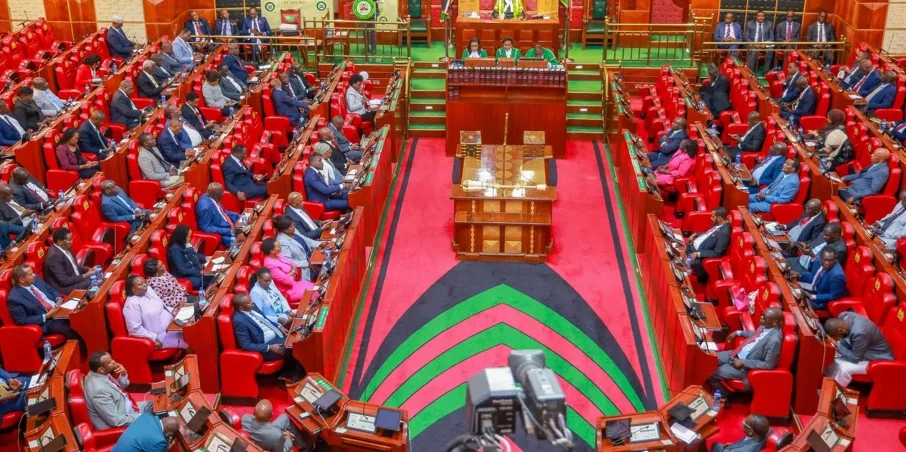
The reforms were raised during the Third Reading of the County Governments (Amendment) Bill 2026, where pro-government legislators said there was a need to review areas of devolution that have failed to deliver value for taxpayers.
The legislators argued that a large share of county allocations is being consumed by salaries and administrative costs instead of development projects and essential services.
The proposed changes seek to cap spending on recurrent expenses, protect funding for key sectors such as healthcare and Early Childhood Development Education (ECDE), and ensure devolution delivers better services to citizens.
The MPs raised concerns that despite counties receiving increased funding from the national government, with allocations now standing at Sh428 billion, many residents continue to experience poor healthcare, inadequate ECDE facilities, poor roads and weak public services.
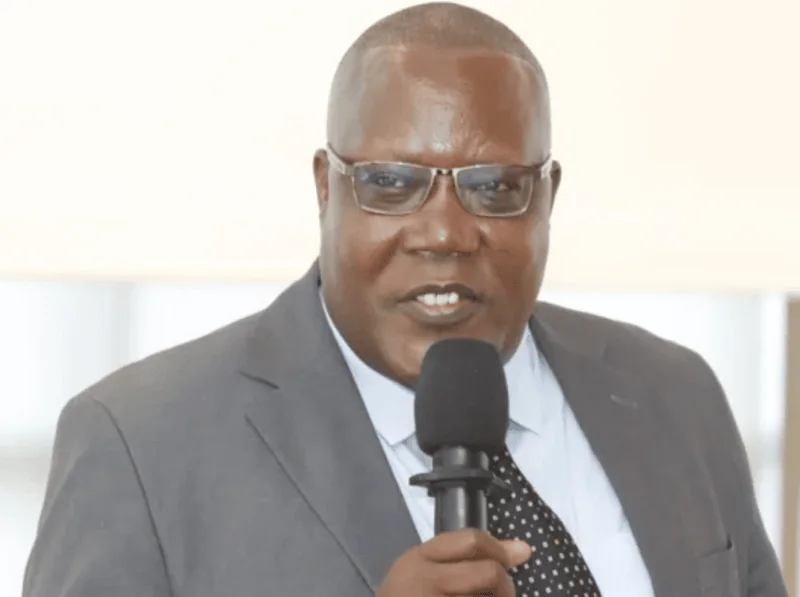
National Assembly Majority Whip Silvanus Osoro (South Mugirango) said county governments had become burdened by a high wage bill, leaving limited resources for development.
“We allocate billions of shillings to the counties, but 90 per cent of those funds are used to cover the wage bill,” Osoro said.
Osoro claimed many county officials were not contributing enough to service delivery, saying governors often bypass County Executive Committee (CEC) members and work directly with chief officers who serve as accounting officers.
He also criticised the large number of county employees who accompany governors during public functions, saying they take up resources that could be directed to development.
“Whenever you attend county government functions, 90 per cent of those ululating and clapping for the governor are county government workers. They are not members of the public,” he said.
The legislator called for changes to county finance laws to control recurrent spending and ensure a bigger share of allocations goes towards development.
“For instance, we could provide that only a certain percentage goes to recurrent expenditure while a bigger portion is dedicated to development,” he said.
Osoro also raised concern that many Kenyans still confuse the responsibilities of MPs and governors, with some expecting legislators to handle devolved functions such as healthcare, agriculture and county infrastructure.
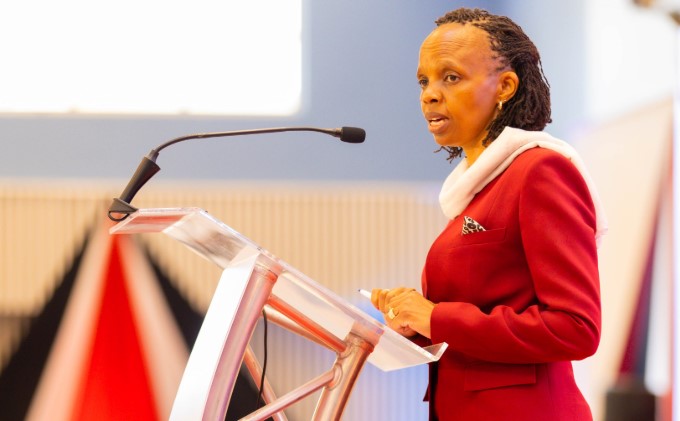
Gilgil MP Martha Wangari supported the proposed reforms, saying the increase in county allocations had not stopped the growth of county wage bills since the introduction of devolution.
“We appropriate billions of shillings to county governments, yet when you attend a funeral, you find a governor accompanied by people filling two tents. Many of them do not even know the deceased. They arrive with about 20 county vehicles,” she said.
Wangari said the high spending on employees and administration had affected the level of development seen in many counties.
She proposed that county funds be protected for specific sectors to ensure allocations translate into visible results.
“Can we provide, for example, that 30 per cent goes to health, another 30 per cent to ECDE and another portion to polytechnics? That way, we would compare the amount of money allocated with the work being done by county governments,” she said.
Buuri MP Mugambi Rindikiri said recurrent expenditure had taken up a large part of county budgets, leaving little room for meaningful development.
He pointed to his county, which is expected to receive Sh10.8 billion, saying nearly three-quarters of the allocation would be used on recurrent expenses.
“Governors have turned management of counties into something like private property,” he said.
The proposed amendments are aimed at ensuring county governments direct more resources towards service delivery by reducing administrative costs and increasing investment in priority sectors.










































Comments
Sign in with Google to comment, reply, and like comments.
Continue with Google