Myanmar's parliament has officially approved new legislation authorising capital punishment for individuals who violently coerce victims into operating transnational online scam centres.
The Anti‑Online Scam Bill came into law after being passed during a joint session of the lower and upper houses in Naypyidaw on Tuesday, July 28, 2026.
The law mandates the death penalty for cases where physical torture, unlawful detention, or cruel treatment is used to force individuals into executing cyber scams that result in a victim's death.
It marks a critical step in the government's attempt to dismantle multibillion‑dollar cybercrime syndicates flourishing within the nation's war‑torn borders, specifically targeting organised crime networks that have transformed Southeast Asia into a global hub for human trafficking and digital fraud.
On Tuesday, Myanmar media reports said the Bill was introduced to the National Assembly by Union Minister for Home Affairs, Lieutenant General Nyunt Win Swe, as a coordinated effort to eradicate the criminal syndicates undermining the state's sovereignty.
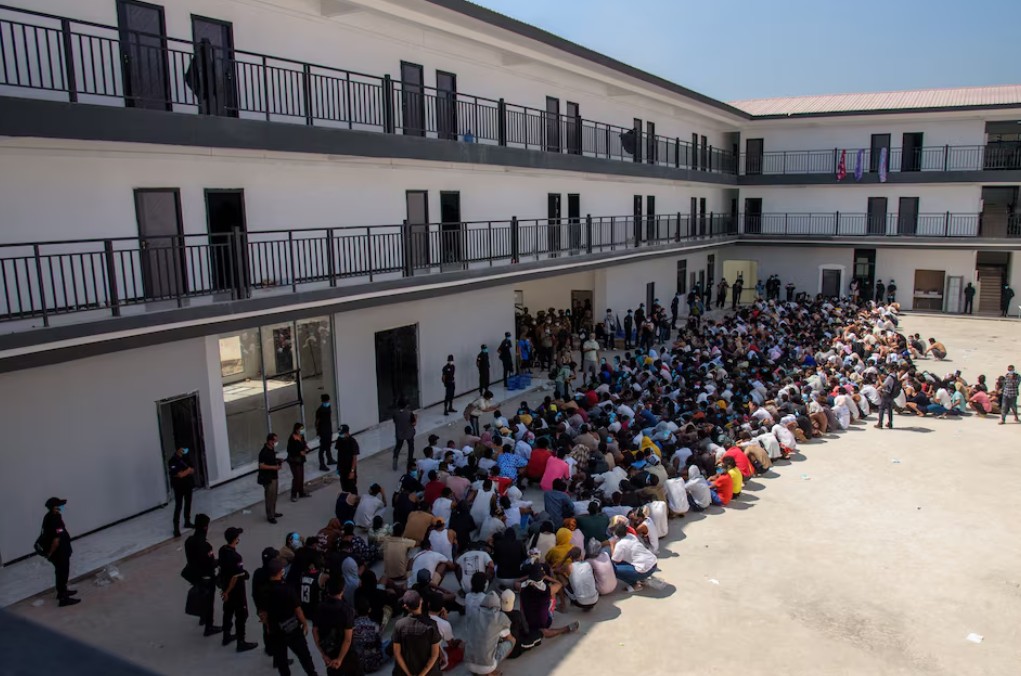
The law establishes a series of punishments designed to dismantle both the leadership and logistical operators of fortified cyber‑fraud compounds, which often masquerade as legitimate industrial parks.
They include capital punishment when forced labour, torture, or violent coercion within a scam centre directly results in a victim's death, and life imprisonment for individuals convicted of owning, funding, or running a large‑scale online scam centre.
At the same time, perpetrators of cryptocurrency fraud will face life sentences for orchestrating high‑yield digital currency investment cons.
The law also grants security agencies power to seize and liquidate all movable and immovable properties associated with the syndicates.
In March this year, the Global Initiative against Transnational Organised Crime (GI‑TOC) released a report exposing how scam centres have become global, industrial‑scale businesses, aiding criminals in stealing at least $1 trillion (Sh132 trillion) annually.
The findings echoed Interpol reports that led the General Assembly to adopt a resolution addressing the growing threat posed by transnational scam centres, criminal hubs linked to large‑scale fraud, human trafficking, and abuse last year.
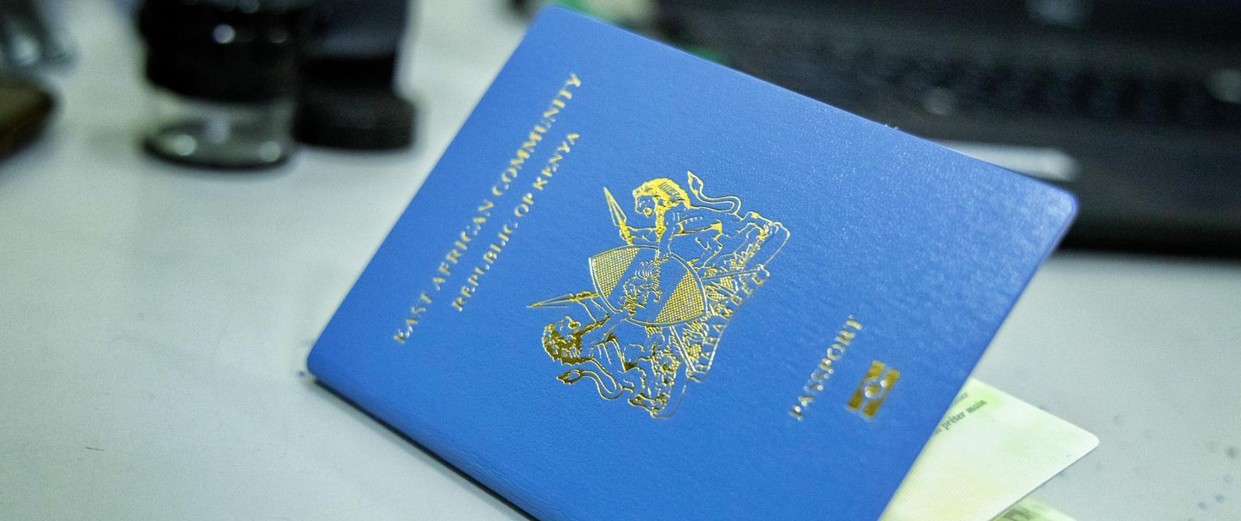
According to Interpol, the survival of these operations is heavily dependent on a horrific intersection of human trafficking and digital extortion, affecting even Africans by exploiting high unemployment among educated, digitally literate youth in countries like Kenya, Nigeria, and South Africa through fraudulent job advertisements for customer service or teaching roles in Thailand or Malaysia.
Victims are often lured under the pretext of lucrative overseas jobs; they are trafficked into compounds where they are forced to carry out illicit schemes such as voice phishing, romance scams, investment fraud, and cryptocurrency scams targeting individuals worldwide.
“While not everyone working in a scam centre is a victim of human trafficking, those who are held against their will frequently endure abuse including physical violence, sexual exploitation, torture and rape,” the global police organisation says.
In 2025 alone, victims in the United States were defrauded of over $20 billion (Sh2.6 trillion) by syndicates operating out of Southeast Asian safe havens.
Since the military coup in 2021, the resulting civil conflict and political instability created fertile territory for transnational organised crime.
“Syndicate bosses, often maintaining illicit cross‑border ties with criminal elements in neighbouring nations, operate massive fortified compounds like the notorious KK Park. Within these walls, a heavily militarised environment ensures total control over the captive workforce,” a local media outlet said.














































Comments
Sign in with Google to comment, reply, and like comments.
Continue with Google