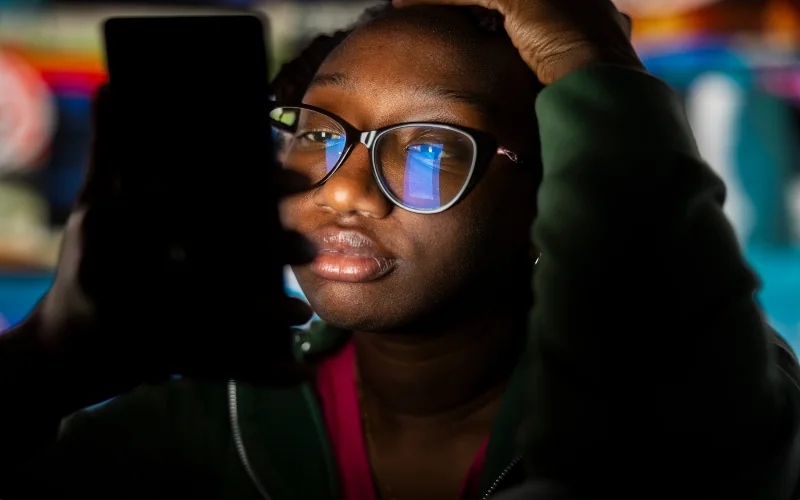
Carolyne Awino remembers receiving plenty of advice during pregnancy about eating the "right" foods. She was encouraged to eat beetroot to boost her blood levels, traditional vegetables to stay healthy, and, whenever possible, liver and meat to increase her iron intake.
She tried to follow the advice.
But pregnancy cravings, persistent morning sickness and financial hardship meant that maintaining a healthy diet was not always possible.
Some weeks she craved liver or meat, both rich sources of iron that could help improve her haemoglobin levels. More often than not, however, those foods were beyond her family's budget. On other days, relentless vomiting meant she could barely keep down even the most nutritious meals.
"There were days when all we had were vegetables," she recalls. "Other times, the vomiting was so bad that the only thing I could keep down was plain white porridge."
Even when she understood what her body needed, Awino often prioritised her family's needs over her own.
"I couldn't spend all the money on myself when the rest of the family also needed to eat," she says. "Pregnancy is not an illness. I still had to make sure everyone else had food."
Despite taking the Iron and Folic Acid Supplements (IFAS) prescribed during her antenatal visits, the side effects sometimes became too difficult to bear.
"Sometimes I skipped them because they made me feel even worse."
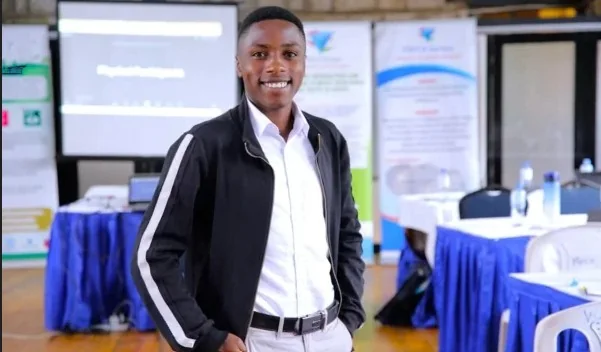 Amos Kamau, a nutritionist in Nairobi.
Every clinic visit brought the same concern.
"They would tell me my blood level was low and that I hadn't gained enough weight. I wanted to do better, but I honestly didn't know what else to do, especially with the cravings and the constant sickness."
Like many expectant mothers, Awino also relied on advice from relatives and neighbours. She ate beetroot because she believed it would increase her blood levels and regularly included mrenda in her meals after being told it was good for pregnant women.
She also heard that craving clay or soft stones was simply a normal part of pregnancy.
Now, with her child one year old, Awino realises that preventing anaemia involves much more than simply eating foods widely believed to be "healthy".
According to research, four in every 10 pregnant women in Kenya have low haemoglobin levels, with studies estimating that about 38 per cent of expectant mothers are affected by anaemia.
Nutritionist Amos Kamau says the problem often lies not only in what pregnant women eat but also in how their bodies absorb iron. Most Kenyan diets rely heavily on plant-based sources of iron, which are absorbed poorly by the body.
He explains that drinking tea with meals, eating clay, failing to pair iron-rich foods with vitamin C, or relying on myths such as beetroot being a cure for low blood can all reduce the body's ability to maintain healthy haemoglobin levels. During pregnancy, when blood volume increases significantly, these challenges become even greater.
"Preventing anaemia is not just about eating iron-rich foods," Kamau says. "It is about helping your body absorb that iron while taking your supplements consistently and eating a balanced diet."
A pregnant woman may fill her plate with vegetables, beans and whole grains every day and still develop anaemia.
Although it may seem surprising, eating healthy does not automatically guarantee healthy blood levels. The body must also be able to absorb the nutrients in those foods, and pregnancy dramatically increases the demand for iron.
Anaemia remains one of the most common nutritional problems affecting pregnant women. It occurs when the body does not have enough healthy red blood cells to carry oxygen to both the mother and her growing baby. If left untreated, it can increase the risk of premature birth, low birth weight, severe fatigue and complications during delivery.
Kamau says many women unknowingly make food choices or follow cultural practices that limit iron absorption.
Why healthy eating is sometimes not enough
One of the biggest challenges, Kamau explains, is that most Kenyan diets depend on plant-based foods such as beans, cereals and vegetables.
While these foods contain iron, they provide non-haem iron, which the body absorbs poorly—only about 2 to 20 per cent. By comparison, haem iron, found in meat, fish and organ meats, is absorbed much more efficiently.
"Many women think they are eating enough iron because their meals are healthy, but the body may not be absorbing enough of it," he says.
The challenge is compounded because many nutritious foods naturally contain compounds known as phytates and oxalates. Found in whole grains, legumes and some vegetables, these substances bind to iron in the digestive system, making it harder for the body to absorb it.
Pregnancy itself also places enormous demands on a woman's body. During the second and third trimesters, blood volume increases by nearly 50 per cent to support the growing baby. Kamau says that even women with good eating habits often need iron supplements alongside a balanced diet to meet this increased demand.
Three simple changes that can make a big difference
Kamau says preventing anaemia does not always require expensive foods. Small changes in daily eating habits can significantly improve iron absorption.
Avoid tea and coffee with meals
Tea and coffee contain tannins and polyphenols that bind to iron and reduce the body's ability to absorb it. Kamau recommends waiting at least two hours after eating before drinking either beverage.
Choose affordable sources of haem iron
Foods such as omena, liver and kidneys are among the richest and most affordable sources of highly absorbable iron. Even small portions eaten regularly can help improve haemoglobin levels.
Pair iron-rich foods with vitamin C
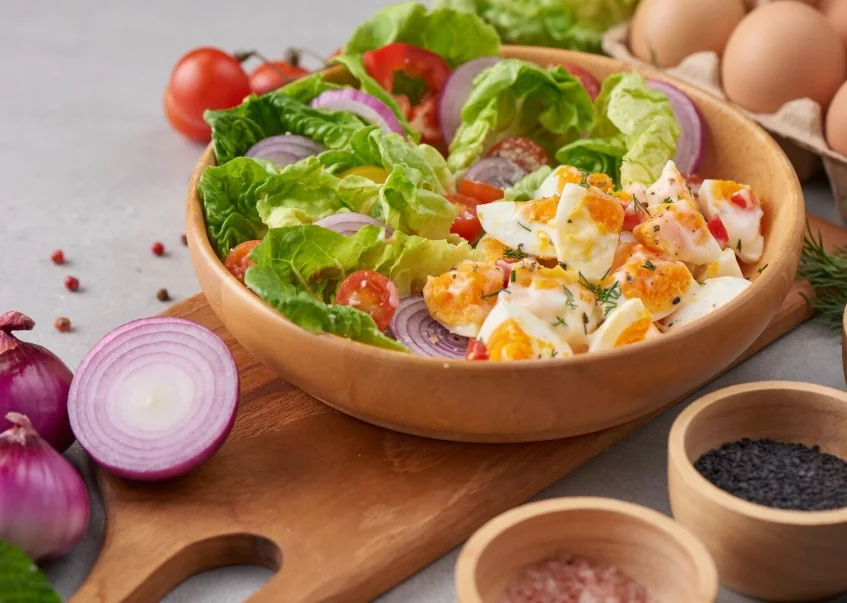
Vitamin C helps the body absorb iron from plant-based foods more effectively. Adding lemon or lime juice to vegetables such as managu, terere or kunde, or eating fruits like oranges and mangoes with meals, can significantly increase iron absorption.
Cultural practices that may increase the risk
Kamau says some traditional beliefs and practices unintentionally increase the risk of anaemia during pregnancy.
One of the most common is geophagia—the craving for and consumption of clay or soft stones.
Although many pregnant women eat clay to satisfy cravings, studies show it binds to iron in the digestive tract, reducing absorption. It may also expose women to harmful parasites and other contaminants.
Another challenge is cultural beliefs that discourage pregnant women from eating organ meats.
"Liver is one of the richest sources of iron and vitamin B12, yet some communities discourage expectant mothers from eating it because of traditional beliefs," Kamau explains.
Common myths about iron-rich foods
Kamau says misinformation also contributes to anaemia.
One widespread belief is that spinach and beetroot are the best foods for increasing iron levels.
In reality, spinach contains high levels of oxalates that reduce iron absorption, while beetroot contains relatively little iron despite its many other health benefits.
Another misconception is that women only need either a healthy diet or iron supplements.
Some stop taking Iron and Folic Acid Supplements because they believe they are eating well, while others rely entirely on supplements without improving their diets.
Kamau says both are essential.
"A healthy diet and iron supplements work together. One should never replace the other."
Affordable foods can still protect mothers
Healthy eating during pregnancy does not have to be expensive.
Kamau recommends affordable local foods that provide valuable nutrients.
Omena is an excellent source of highly absorbable iron, protein and calcium.
Traditional African vegetables such as terere, managu and kunde are also rich in iron and often contain more of the mineral than cabbage or spinach.
Simple preparation methods can further improve nutrition. Soaking beans overnight before cooking and fermenting porridge helps reduce compounds that block iron absorption, allowing the body to use more of the nutrients.
Iron is only part of the story
According to Kamau, healthy blood depends on more than iron alone.
Vitamin C helps the body absorb iron from plant foods, while folate (vitamin B9) and vitamin B12 are essential for producing healthy red blood cells.
Without enough folate or vitamin B12, the body produces large, immature red blood cells that cannot function properly, resulting in another form of anaemia. Women who eat little or no animal products are particularly at risk of vitamin B12 deficiency.
Kamau believes healthcare workers should provide practical advice that women can easily apply at home.
Instead of using technical nutrition terms, they should demonstrate simple food combinations, such as serving githeri with fresh kachumbari or eating fruit after meals to improve iron absorption.
He also encourages health workers to discuss ways of managing common side effects of iron tablets, such as nausea and constipation, to help more women continue taking their Iron and Folic Acid Supplements throughout pregnancy.
"Preventing anaemia is not just about eating iron-rich foods. It is about helping your body absorb that iron."
He explains that a woman can eat what appears to be a healthy, nutritious diet and still become anaemic if she drinks tea with meals, eats clay or combines foods poorly.
Understanding how foods work together, choosing affordable iron-rich foods and consistently taking Iron and Folic Acid Supplements can make a significant difference in protecting the mother's health and giving her baby the best possible start in life.
According to the World Health Organisation (WHO), 37 per cent of pregnant women worldwide—about 32 million women—are affected by anaemia, making it one of the most common complications of pregnancy and a major contributor to poor maternal and newborn health.
WHO notes that anaemia during pregnancy is most commonly caused by iron deficiency, but it can also result from deficiencies in folate and vitamin B12, infections such as malaria and HIV, parasitic worms, chronic diseases and blood loss.
Common symptoms include fatigue, weakness, dizziness, headaches, shortness of breath and pale skin. Severe anaemia increases the risk of maternal death, premature birth and low birth weight.



























Comments
Sign in with Google to comment, reply, and like comments.
Continue with Google