A new study has raised hopes for treating hearing loss after researchers discovered a rare group of cells in the inner ear that can transform into the sensory hair cells essential for hearing.
According to the World Health Organisation (WHO), more than 430 million people worldwide live with disabling hearing loss, a figure projected to exceed 700 million by 2050.
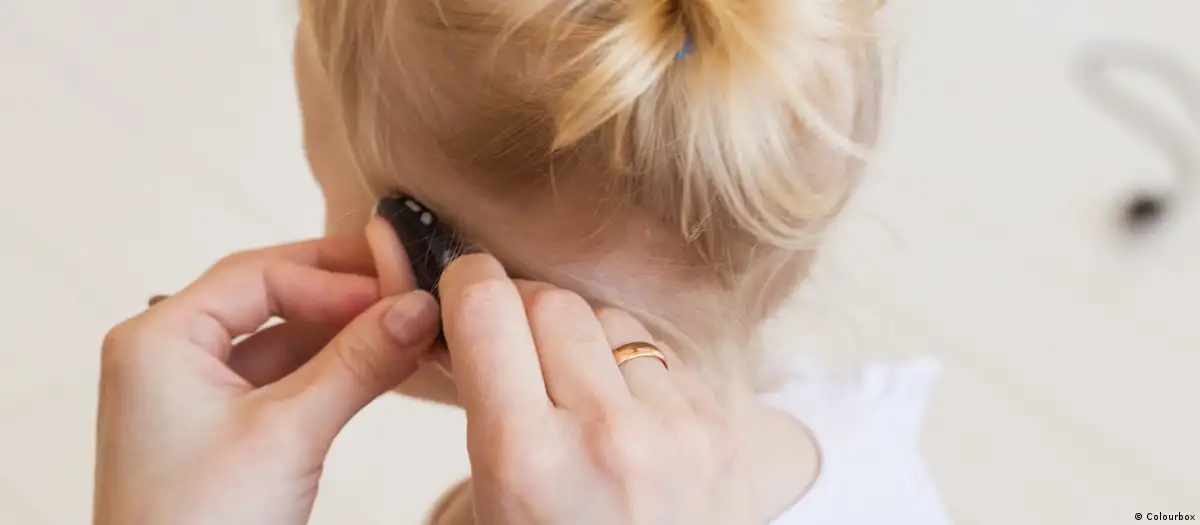
Although hearing aids and cochlear implants help many people hear better, they do not restore the damaged sensory cells responsible for hearing.
The study, published in Science Advances by researchers from Tel Aviv University, identified a rare population of inner-ear cells capable of transforming into sensory hair cells, opening the door to future treatments that could restore hearing naturally.
Hearing depends on thousands of tiny sensory hair cells located inside the cochlea, a spiral-shaped structure in the inner ear.
These cells convert sound vibrations into electrical signals that are transmitted to the brain.
Once damaged by ageing, prolonged exposure to loud noise, infections, certain medications or genetic conditions, these cells do not naturally regenerate in humans, making hearing loss permanent.
To determine whether the inner ear has any hidden ability to regenerate, researchers used advanced live tissue imaging alongside a technique known as single-cell multi-omics, allowing them to examine individual cells and the genes that regulate them.
The team focused on supporting cells that surround sensory hair cells. They then blocked a cell communication pathway known as Notch signalling, which plays a critical role in controlling how cells develop during early growth.
While most supporting cells remained unchanged, researchers identified a rare subgroup known as transdifferentiating Deiters' cells (tDCs). Once the Notch pathway was blocked, these cells began transforming into sensory hair cells by activating genes normally found in healthy hearing cells.
By mapping this process, the researchers gained new insight into the earliest stages of hair cell regeneration, providing a roadmap that could guide future therapies aimed at repairing hearing.
Lead researcher Professor Karen Avraham said the findings reveal that the inner ear possesses a previously hidden regenerative capacity.
"Even in tissues long considered incapable of regeneration, such as the cochlea of the inner ear, there is a hidden regenerative capacity, although it is very limited and appears only in a rare subgroup of cells," she said.
Co-author Professor David Sprinzak said identifying these cells brings scientists closer to developing treatments that restore hearing rather than simply improving it.
"By identifying these unique cells and understanding the mechanisms that allow them to transform, we are taking an important step toward therapies that could restore hearing instead of simply compensating for its loss," he said.
Although the research remains at an early stage, scientists say the findings mark an important advance in regenerative medicine. Future studies will focus on finding safe ways to stimulate more supporting cells to become sensory hair cells.
The discovery also builds on years of research into hearing regeneration.
In 2015, scientists demonstrated that Atoh1 gene therapy could convert supporting cells into hair cell-like cells in animal models. A 2019 study published in Nature Communications found that activating genes including Myc, Notch1 and Atoh1 stimulated the regeneration of hair cell-like cells in adult mice, leading to partial hearing recovery.
More recently, a 2024 study reported that combining the genes Atoh1, Gfi1 and Pou4f3 successfully reprogrammed non-sensory cells into hair cell-like cells, bringing researchers another step closer to developing regenerative treatments for permanent hearing loss.
While more research is needed before the discovery can be translated into treatments for patients, scientists believe it offers renewed hope that hearing loss may one day be reversed by repairing the damaged cells responsible for hearing rather than relying solely on devices that amplify sound.

















































Comments
Sign in with Google to comment, reply, and like comments.
Continue with Google