Ear infections, medically known as otitis media, are among the most common illnesses affecting children worldwide. The condition occurs when the middle part of the ear, the space behind the eardrum, becomes inflamed, usually due to bacteria or viruses.
This inflammation can cause fluid buildup, ear pain, and sometimes fever. In many cases, repeated or severe infections can affect a child’s hearing, which may in turn influence speech development, learning, and overall quality of life, according to the World Health Organisation (WHO).
Children are particularly vulnerable to ear infections because their ear structures are still developing and their immune systems are not yet fully mature.
Globally, over one billion people are affected by otitis media, with the majority of cases occurring in children under five years of age.
Ear infections often develop after a cold, flu, or other upper respiratory infection. Swelling and fluid in the middle ear can trap bacteria or viruses, creating an ideal environment for infection. Children who attend daycare, are exposed to tobacco smoke, or suffer frequent colds and flu are at higher risk. Allergies and genetic factors may also increase susceptibility.
According to Dr Mario Bustos from the WHO, “Otitis media is largely preventable, but if left untreated, it can lead to serious hearing problems.”
The condition is so widespread that in some countries, as many as eight out of ten children are affected by the age of five, making it a major concern for parents of young children.
Dr Bustos emphasises that otitis media can be difficult to detect because it is sometimes not painful.
“There are four key signs parents should watch for,” he says. “Speech delays, ear discomfort, difficulty hearing sounds, and challenges with learning or play. If you notice any of these, it could be time for a checkup.”
Despite the high prevalence of ear infections, Dr Bustos reassures parents that it is never too late to protect their children’s hearing.
“Regular checkups are essential. Even if everything seems fine, routine visits to a doctor can help catch ear problems early before they become serious,” he explains.
Parents can also take simple steps at home to promote ear health. Teaching children the importance of ear care, encouraging proper handwashing to prevent infections, and seeking prompt medical attention when hearing or speech problems arise can make a significant difference.
“Healthy ears are key to a child’s overall development and well-being,” Dr Bustos notes. “By acting early and paying attention to the signs, we can prevent otitis media and help children enjoy all the wonderful sounds of the world around them.”
The symptoms of otitis media in children vary but often include ear pain, a feeling of fullness or pressure in the ear, fever, irritability, difficulty sleeping, and sometimes fluid draining from the ear.
Younger children may tug at their ears or show signs of hearing difficulty. If left untreated, repeated infections can lead to long-term hearing problems, which may affect speech, language development, and learning abilities.
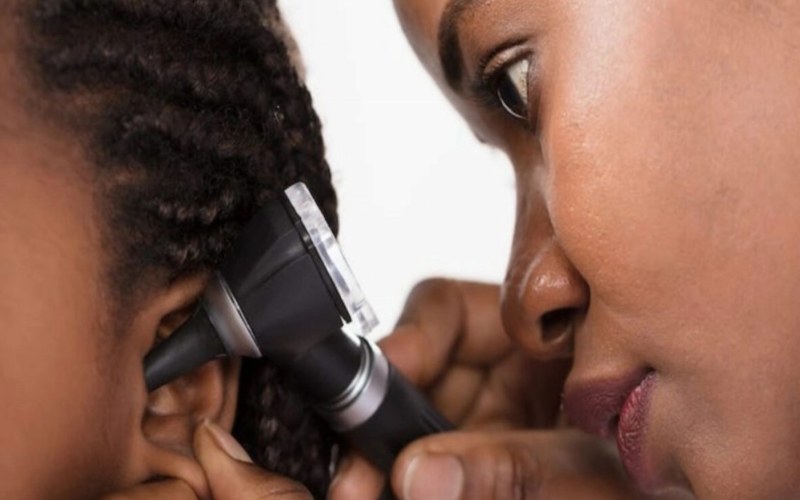
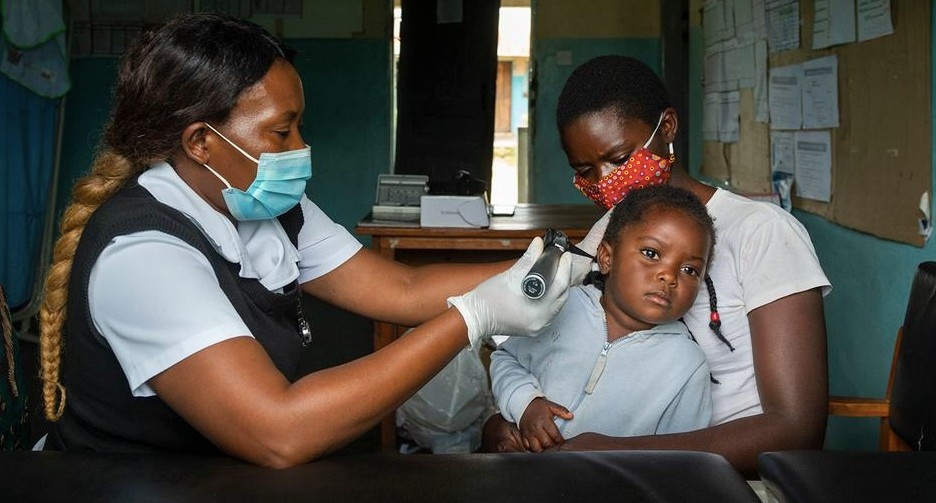
Diagnosis
Early diagnosis, proper treatment, and preventive care remain the most effective ways to protect children’s hearing and overall health.
Parents and caregivers are encouraged to monitor for symptoms, seek medical attention promptly when problems arise, and follow preventive practices to reduce the risk of infections.
Health professionals emphasise that routine ear checks, vaccinations, and simple hygiene practices can prevent complications and ensure that children continue to develop normally.
With proper care, children affected by otitis media can recover fully, maintain good hearing, and enjoy a healthy, active childhood.
Treatment
Treatment for ear infections depends on the severity of the condition. Mild cases can sometimes improve without antibiotics, with pain managed using over-the-counter medications such as paracetamol.
Bacterial infections often require antibiotic treatment to prevent complications. In recurrent or chronic cases, doctors may recommend procedures such as ear tubes to drain fluid and prevent repeated infections.
Preventive measures can significantly reduce the risk of ear infections in children. These include good hygiene practices such as regular handwashing, minimising contact with individuals who are sick, and ensuring children receive routine vaccinations, including influenza and pneumococcal vaccines, which protect against infections that can lead to ear problems.
Avoiding exposure to tobacco smoke and breastfeeding infants for at least six months also helps reduce the risk of otitis media.
Hearing loss
Most children with otitis media experience temporary hearing loss due to fluid buildup or inflammation in the middle ear. This type of hearing loss usually resolves once the infection is treated—whether with medication, drainage, or other standard treatments.
However, in rare cases, if a child experiences recurrent or chronic otitis media that leads to permanent damage to the inner ear (cochlea) or severe sensorineural hearing loss, more advanced interventions such as cochlear implants may be considered.
These cases typically involve children who do not respond to conventional treatments or whose hearing loss significantly affects speech and language development.
Even with the potential for complications, the majority of children with otitis media recover fully without needing a cochlear implant.













































Comments
Sign in with Google to comment, reply, and like comments.
Continue with Google