Ruto leads 2027 race as Kalonzo and Sifuna emerge as key opposition force, TIFA poll shows
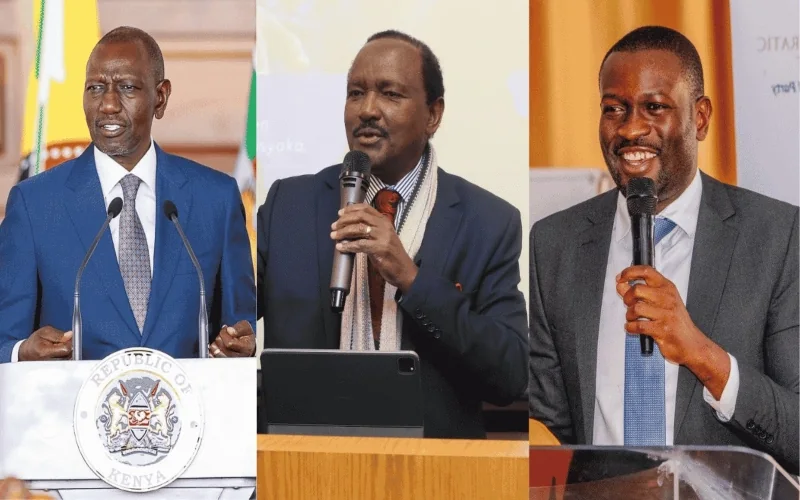
President William Ruto leads with 24 per cent support among 2,013 respondents drawn from across the country, followed by Kalonzo Musyoka at 19 per cent. Former Interior Cabinet Secretary Fred Matiang’i is third with 14 per cent.
President William Ruto is still ahead in the race for the 2027 presidency, even as Wiper Democratic Movement leader Kalonzo Musyoka and Nairobi Senator Edwin Sifuna have emerged as key opposition figures who are increasingly being viewed as a combined force capable of mounting a stronger challenge to his lead.
According to the newly released TIFA Research poll, President William Ruto leads with 24 per cent support among 2,013 respondents drawn from across the country, followed by Kalonzo at 19 per cent. Former Interior Cabinet Secretary Fred Matiang’i is third with 14 per cent.
Senator Sifuna follows at 10 per cent, while former Deputy President Rigathi Gachagua stands at 9 per cent. Embakasi East MP Babu Owino received 2 per cent backing.
More To Read
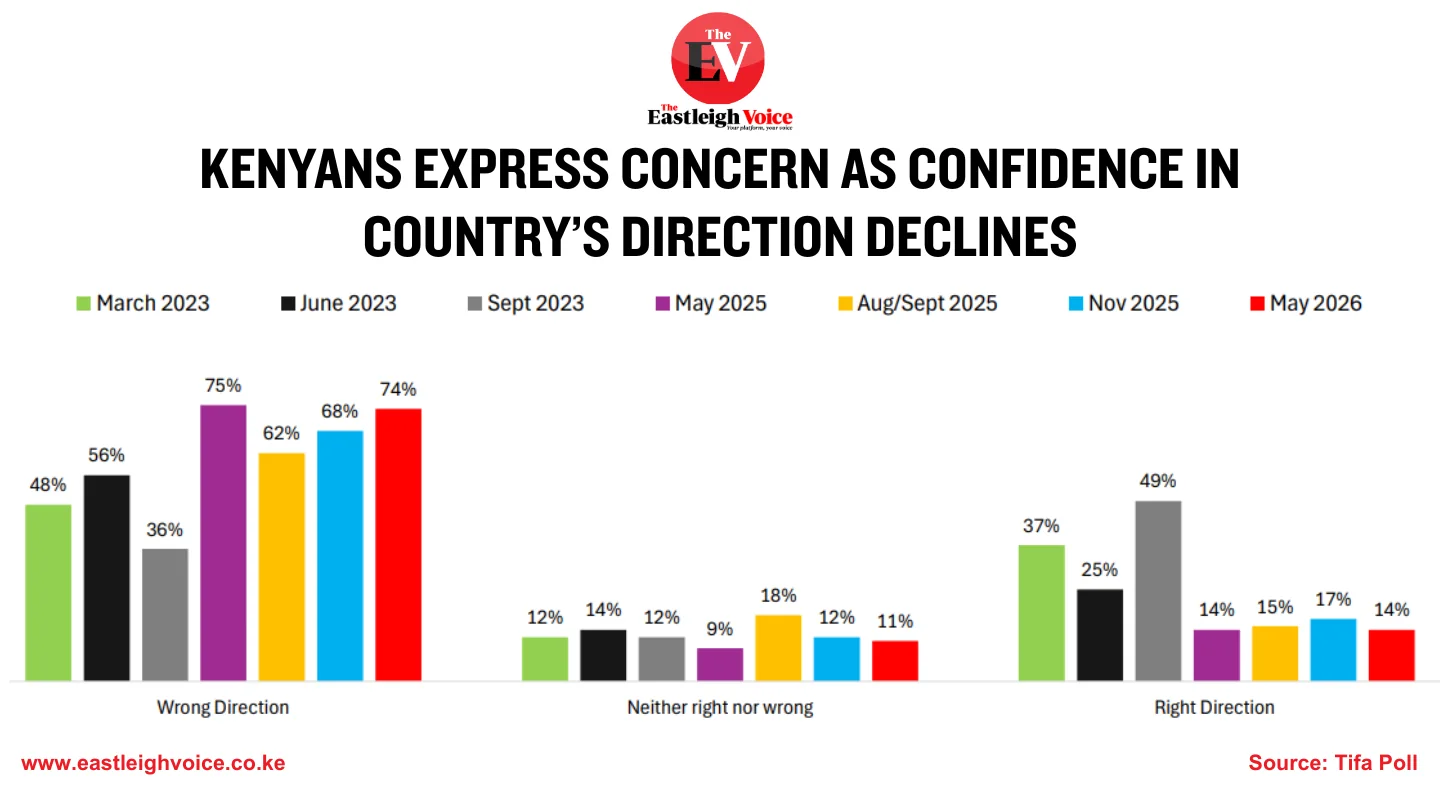
- Kenyans express concern as confidence in country’s direction declines
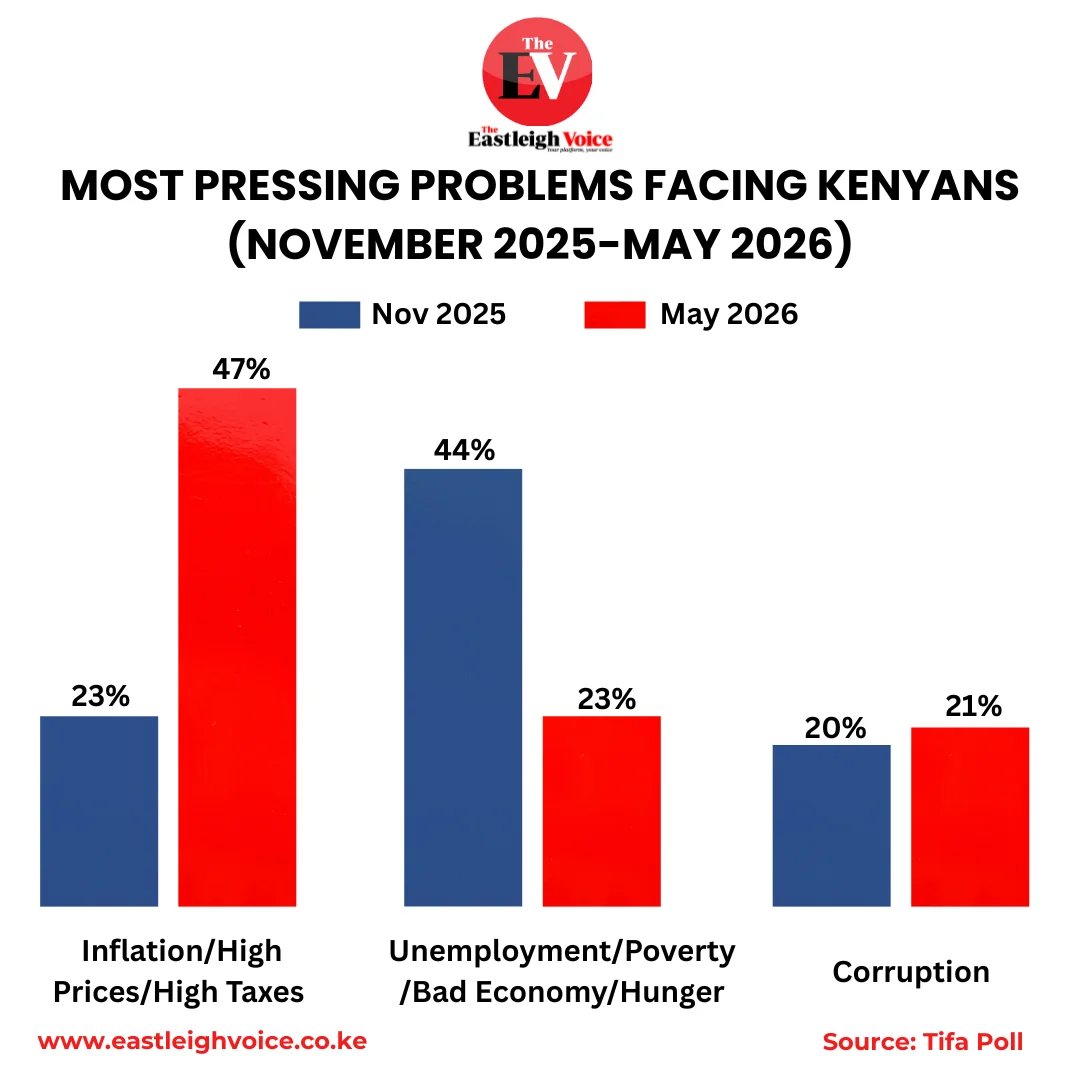
- TIFA survey: Inflation, tax pressure most pressing problems facing Kenyans
- Wiper's Kalonzo Musyoka launches Komboa Kenya digital platform for 2027 presidential bid
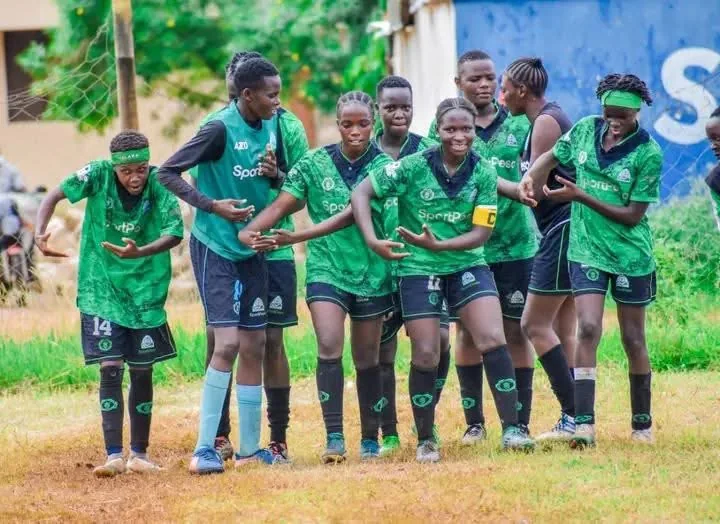
- Ruto rewards Gor Mahia with Sh10 million bonus after historic 22nd FKF Premier League title
- Word Environment Day: Environmentalists question Ruto government’s commitment to protecting forests
- Ruto hails Kenya-South Africa economies as drivers of continental development
The poll further shows that 15 per cent of respondents remain undecided, while 3 per cent chose “other” candidates and another 3 per cent did not respond.
Overall, the findings indicate that the 2027 presidential contest remains highly fluid, with no candidate commanding dominant nationwide support. The results also point to a fragmented opposition, where backing is spread across multiple leaders instead of consolidating behind a single challenger.
"The 2027 presidential race remains competitive but is becoming more defined, with President William Ruto currently holding the strongest individual position. The emergence of Edwin Sifuna and Rigathi Gachagua also points to a shifting political landscape. Meanwhile, the declining undecided vote suggests that voter preferences are beginning to crystallise, increasing the importance of coalition-building and voter consolidation ahead of 2027," reads the report.
Latest Stories
- Somalia disputes death toll from Mogadishu clashes, reports one dead and 55 injured
- Ruto departs for Europe tour in bid to deepen trade ties and attract investment
- Tana River floods displace over 3,000 families as villages remain submerged
- Humanoid robot ‘Jay Tron’ runs 5km at Nairobi City Marathon in historic first for Africa
The survey also examined preferred opposition presidential combinations and the potential to take on Ruto in the general elections. Overall, respondents showed the strongest preference for a Kalonzo and Sifuna pairing at 25 per cent, followed closely by Kalonzo and Matiang’i at 24 per cent.
The pairing of Gachagua and Kalonzo received 19 per cent support, while Kalonzo and Martha Karua attracted 5 per cent. An additional 21 per cent said none of the proposed combinations was suitable, while 6 per cent were uncertain.
Among supporters of President Ruto, 40 per cent said none of the pairings were acceptable. In the same group, 19 per cent supported Kalonzo and Sifuna, 18 per cent backed Kalonzo and Matiang’i, 10 per cent preferred Gachagua and Kalonzo, while 7 per cent supported Kalonzo and Martha Karua.
Among opposition supporters, 31 per cent favoured a Kalonzo and Matiang’i ticket, followed by 28 per cent who preferred Kalonzo and Sifuna. Another 25 per cent supported Gachagua and Kalonzo, while 4 per cent backed Kalonzo and Karua.
The survey also reveals that less than half of Kenyans say their ethnic community currently has a recognised political leader.
Among those who affirmed leadership existence, the strongest consensus was among the Kamba community, where 93 per cent identified Kalonzo as their leader. Among the Kisii, 83 per cent identified Matiang’i.
For the Kalenjin community, 73 per cent identified President Ruto as their leader, while 70 per cent of Kikuyu respondents identified Gachagua.
The analysis suggests that while President Ruto maintains a lead, opposition figures such as Sifuna and Gachagua are gradually shaping a more competitive landscape.
Fieldwork was conducted between May 2 and May 11, 2026, through face-to-face household interviews conducted mainly in Swahili and English.
The nationally representative sample covered nine zones, including Central Rift, Coast, Lower Eastern, Mt Kenya, Nairobi, Northern, Nyanza, South Rift, and Western regions. A total of 2,013 respondents were interviewed, with the survey carrying a margin of error of plus or minus 2.18 per cent, with larger margins for sub-samples.
Top Stories Today























Comments
Sign in with Google to comment, reply, and like comments.
Continue with Google