Contractors handling critical water and sanitation projects now risk termination and blacklisting amid concerns that delays have slowed the delivery of key infrastructure meant to improve access to clean water and sanitation services across the country.
This comes after a parliamentary review revealed uneven progress in projects funded under a multi-billion-shilling water programme.
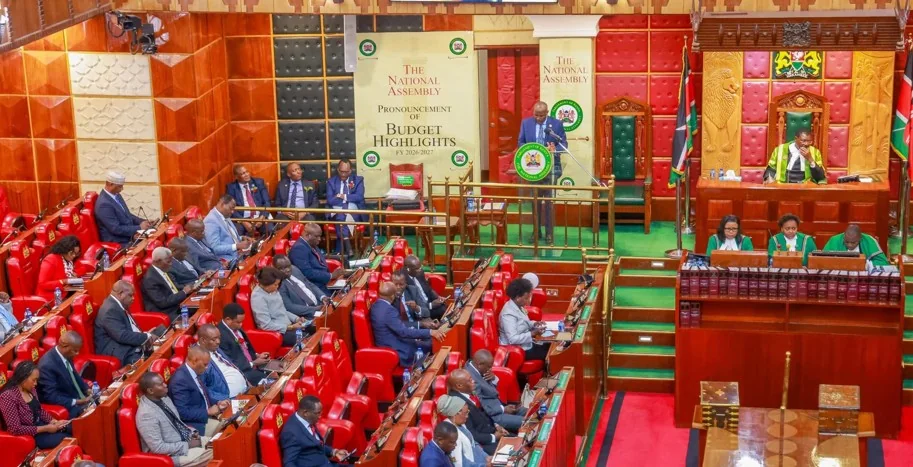
The Departmental Committee on Blue Economy, Water and Irrigation raised the matter during a meeting with the State Department for Water and Sanitation, where members reviewed the status of ongoing works, achievements so far, and challenges affecting implementation under the Kenya Towns Sustainable Water Supply and Sanitation Programme.
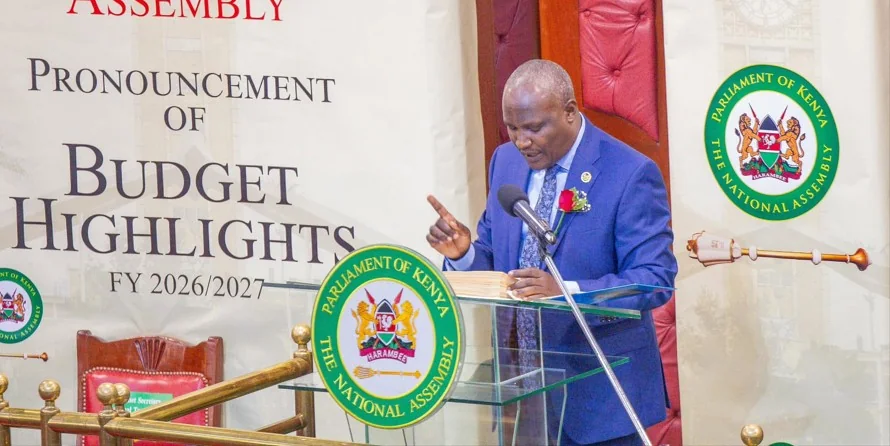
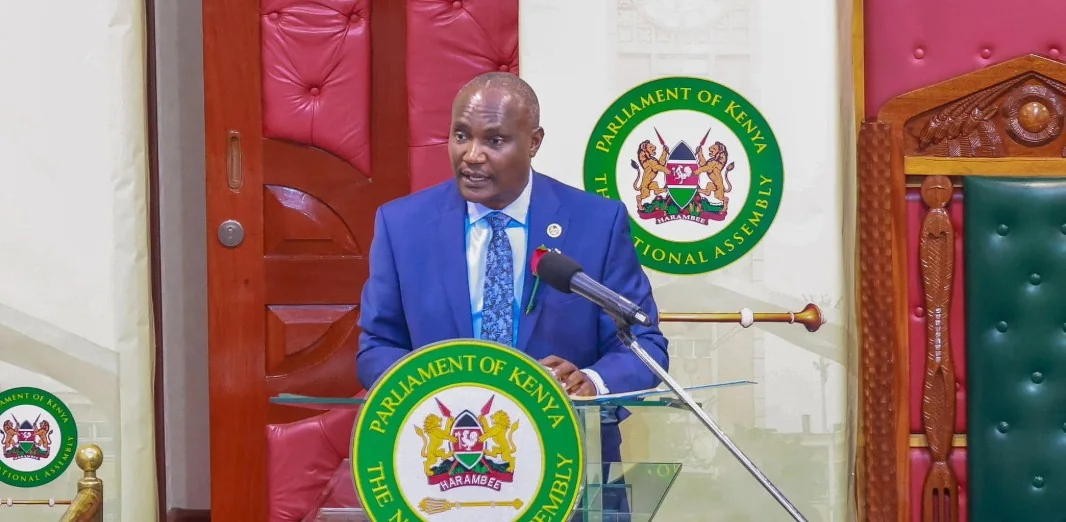
The Committee, chaired by Marakwet East MP David Bowen Kangogo, engaged Principal Secretary (PS) Julius Korir on the programme's performance and the need for stricter enforcement on contractors who fail to meet deadlines.
PS Korir stressed that the government was determined to ensure projects are completed within set timelines and delivered to citizens.
“Kenyans do not deserve stories. That is why the Ministry is incorporating new methods to ensure projects are completed and serve Kenyans within the allocated timelines,” he said.
The programme is jointly funded by the Kenyan government and the African Development Bank (AfDB) and covers 58 towns. It includes 61 water and sanitation projects valued at Sh45.5 billion and is expected to create about 15,000 jobs during construction and after completion.
According to progress reports presented to the committee, 12 projects have been completed and officially commissioned. A further 26 projects are complete but still awaiting commissioning, while 22 are ongoing. One project remains stalled due to ongoing court litigation.
Committee members raised concerns over repeated delays, citing cases involving non-performing contractors, weak governance within some water service providers, legal disputes, and rising construction costs that have slowed implementation.
Bowen highlighted instances where some contractors were managing multiple projects simultaneously despite persistent delays, urging the ministry to take stronger action against firms that fail to deliver.
In response, Korir disclosed that several contractors, including those operating in Mandera and Meru, had already been terminated due to insufficient capacity. He added that replacement contractors were being procured to speed up completion of affected projects.
The Committee also called for stronger coordination between the national government and county governments to address last-mile connectivity challenges, which continue to limit access to completed water and sanitation infrastructure in some areas.
Members emphasised that the goal is to ensure that every shilling invested in water and sanitation projects translates into reliable services for citizens, while also strengthening accountability among contractors and implementing agencies responsible for delivery.































Comments
Sign in with Google to comment, reply, and like comments.
Continue with Google