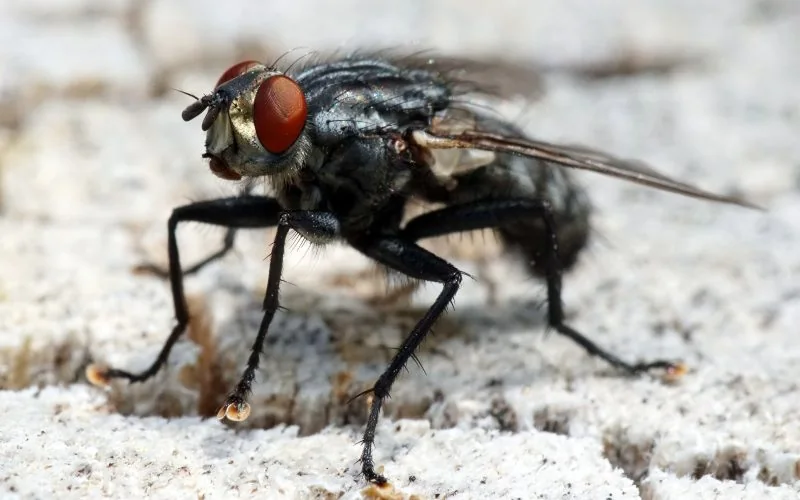
The Kenya Tsetse and Trypanosomiasis Eradication Council (KENTTEC) has warned that years of progress in controlling tsetse flies and trypanosomiasis could be affected after its budget allocation dropped to Sh15 million against a Sh200 million requirement.
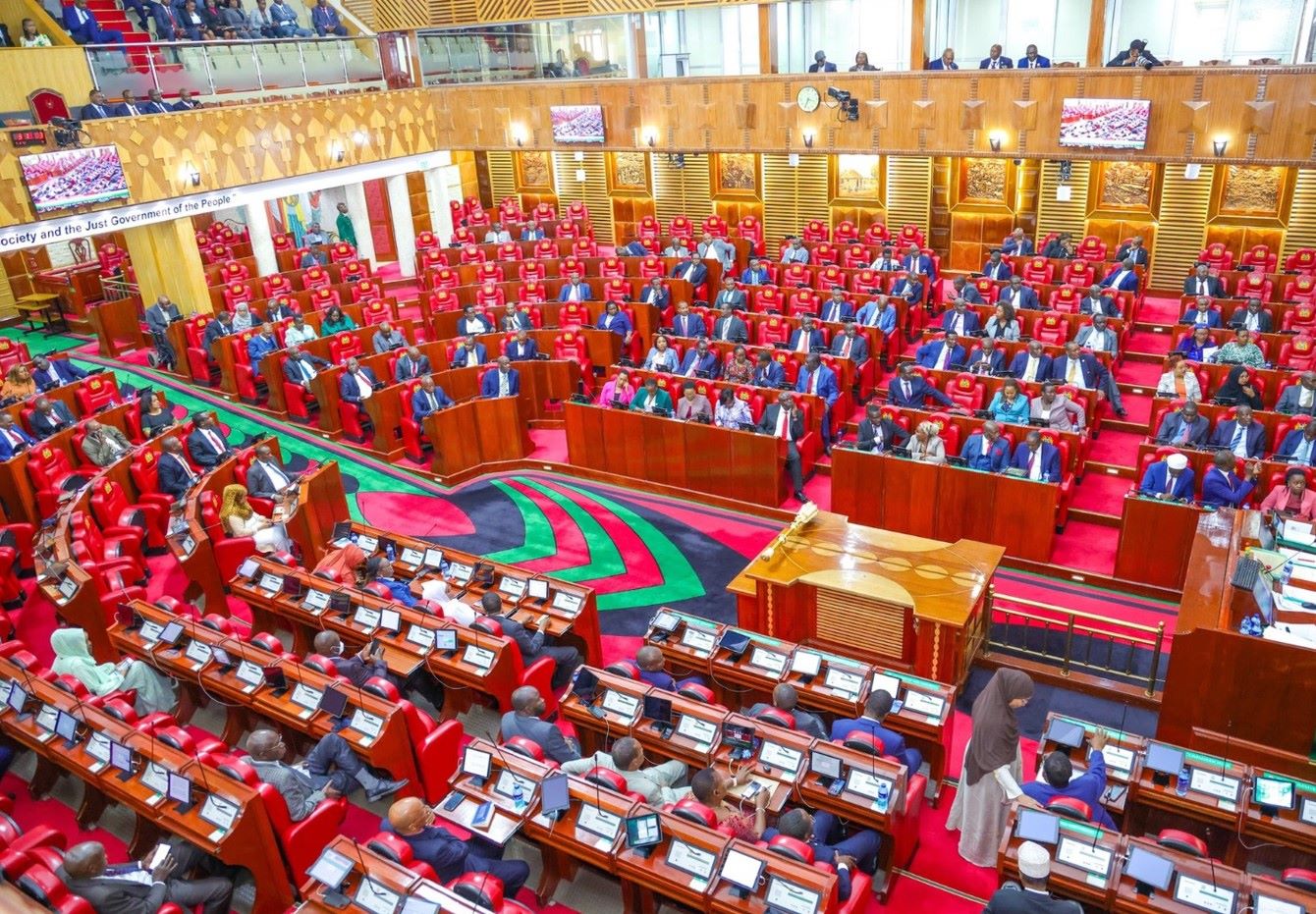
Appearing before the National Assembly Committee on Agriculture and Livestock, the Council told MPs that despite achieving major gains, including the declaration of Kenya as free of sleeping sickness in 2025, continued funding cuts could put the achievements under pressure.
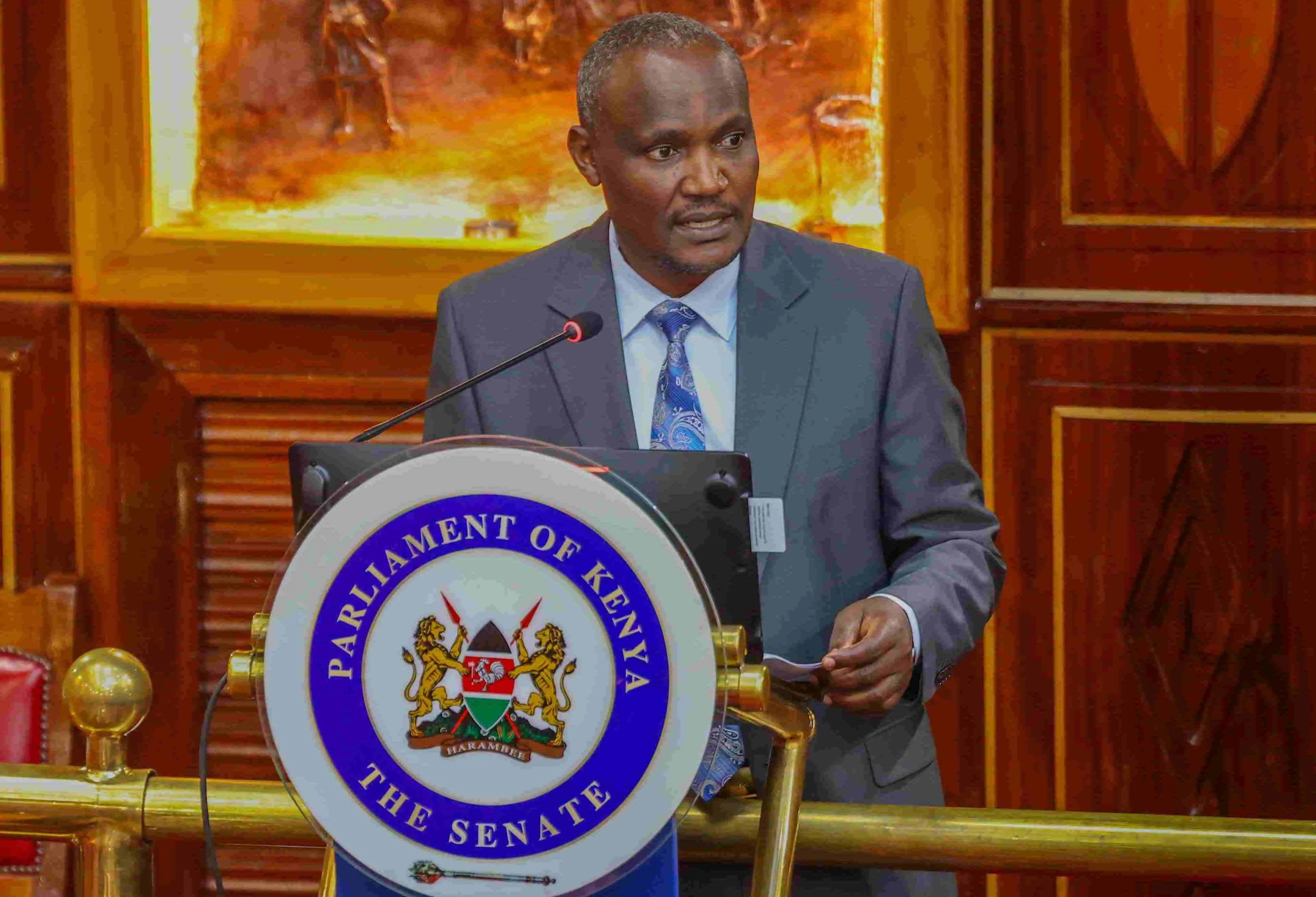
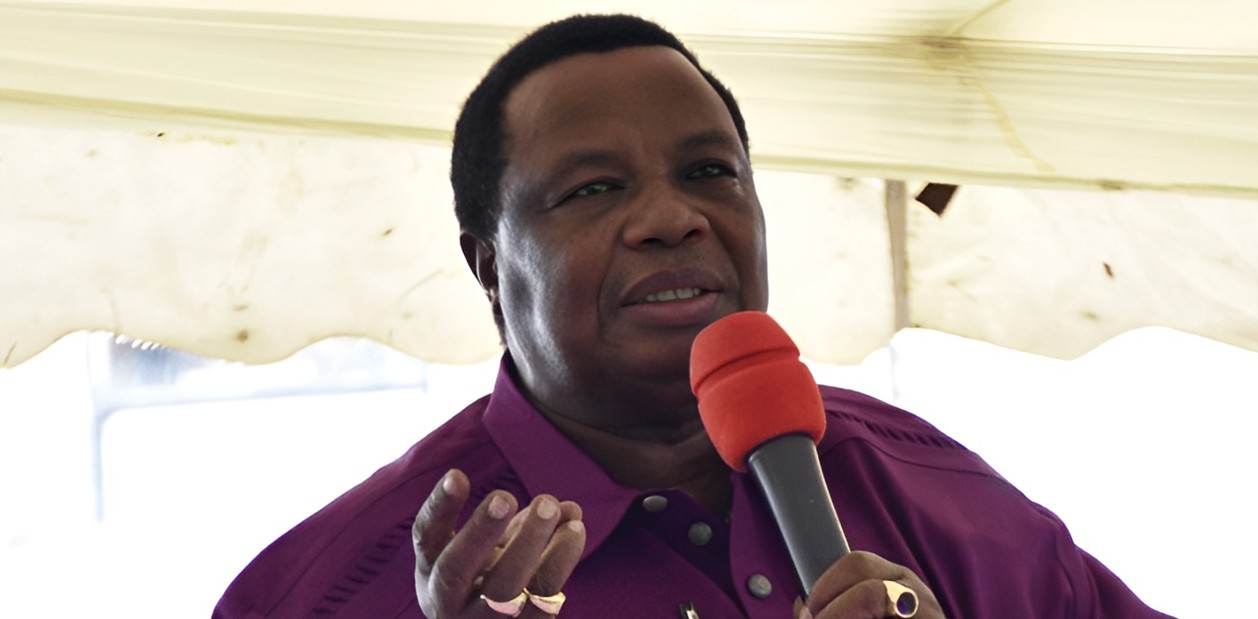
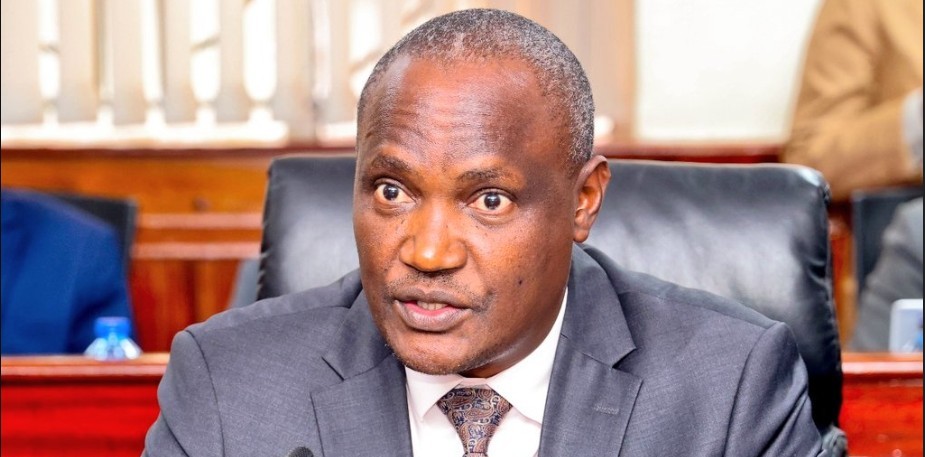
The meeting, chaired by Tigania West MP John Mutunga, brought together KENTTEC Board Chairperson Geoffrey Muttai and Chief Executive Officer Seth Onyango, who briefed Members on the Council’s operations, achievements and challenges in controlling tsetse and trypanosomiasis (T&T) in affected counties.
Since its establishment through a Legal Notice in July 2012, KENTTEC has been leading efforts to suppress tsetse fly populations as a way of reducing the spread of trypanosomiasis among livestock and humans.
“Our work is to support livestock production through the suppression of tsetse fly populations using the Flies Per Trap Per Day (FTD) metric,” KENTTEC CEO Seth Onyango said.
Onyango told the Committee that about 138,000 square kilometres, equivalent to 23 per cent of Kenya’s land mass, remain infested with tsetse flies. The affected areas cover 38 out of the country’s 47 counties, leaving nearly 60 per cent of Kenya’s rangelands and about 11,000 hectares of arable land unsuitable for optimal livestock and agricultural production.
“Trypanosomiasis continues to pose a major public health and economic threat, particularly in rural communities where livelihoods depend heavily on livestock and agriculture,” he said.
The Council informed MPs that its interventions have reduced tsetse fly populations and disease prevalence in more than 24,000 square kilometres, representing 17 per cent of the affected area.
Onyango further said that in June 2025, the World Health Organisation (WHO) declared Kenya free of sleeping sickness after no human cases were reported since 2009.
However, KENTTEC warned that the progress made could be affected by the continued reduction in financial support for its programmes.
The Committee heard that funding for tsetse and trypanosomiasis control has declined from Sh720 million in the 2012/2013 financial year to Sh50 million in the 2025/2026 financial year. For the 2026/2027 financial year, the Council has been allocated Sh15 million against the Sh200 million required to support its activities.
Members raised concerns over the funding reduction, with Kanduyi MP John Makali questioning why an institution with such an important role had received reduced financial support.
“We appreciate the importance and impact of this institution, but when I look at this report, I am quite alarmed by the lack of allocated funds,” he said.
Makali asked the KENTTEC Board to explain the measures it had taken to seek additional funding from the Ministry, noting that Parliament allocates resources based on budget proposals submitted by the relevant Ministry.
Committee Chairperson Mutunga also questioned the Council’s plans to sustain the programme and explore partnerships with county governments.
“What arrangements do you have with the Ministry regarding the continuation of this programme? Have you evaluated the possibility of collaborating with county governments, and what would the cost implications be?” he posed.
Mutunga urged KENTTEC to strengthen partnerships with county governments and development agencies to address funding gaps. He also called for increased public awareness of the Council’s programmes and projects to improve its visibility.
The chairperson further asked the Council to provide the Committee with a cost analysis report of its projects.
In response, Onyango said KENTTEC has partnered with organisations including the Food and Agriculture Organisation (FAO), the International Centre of Insect Physiology and Ecology (ICIPE), the Kenya Agricultural and Livestock Research Organisation (KALRO), and the International Livestock Research Institute (ILRI).
He also urged MPs to support the proposed Livestock Bill, 2026, saying the legislation would address policy and legal gaps affecting the Council’s operations.

































Comments
Sign in with Google to comment, reply, and like comments.
Continue with Google