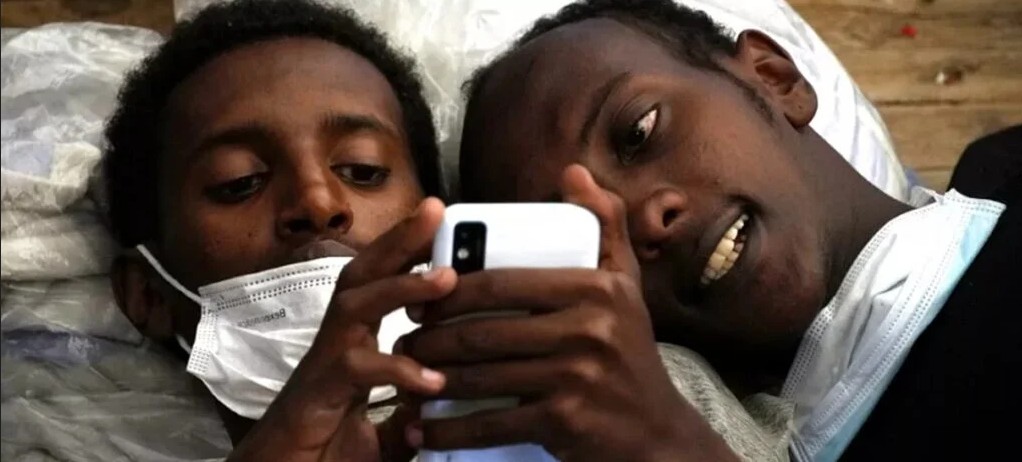
When a TikTok video catapulted a young Addis Ababa musician to overnight stardom, it delivered more than fame; it offered a lens into a generation navigating both opportunity and uncertainty. Ethiopia’s youth, who comprise nearly 70 per cent of the population, are coming of age in a world shaped as much by online feeds as by textbooks.
According to the United Nations World Population Prospects 2022, Ethiopia’s median age is just 19. At the same time, DataReportal reveals that millions of young Ethiopians are active on social media, while the GSMA reports a steady rise in mobile internet penetration. For today’s youth, social media is no longer optional; it has become the central arena of daily life.
Opportunities beyond the screen
For many young Ethiopians, social media is more than a source of entertainment; it is a gateway to opportunity. Digital platforms have lowered barriers to creativity and entrepreneurship. As researchers note, social media reshapes identity, conversation, and civic participation. A young fashion designer in Addis Abeba can now showcase her creations to a global audience without relying on traditional intermediaries, while a musician can reach listeners far beyond the city’s streets.
Influencer economies have transformed livelihoods. Studies indicate that young creators can monetise content and build personal brands faster than ever before. This is not merely about fame; it represents a pathway to economic independence.
Social media also expands civic space. Zeynep Tufekci, a prominent technosociologist and professor at Princeton University, demonstrates how networked platforms amplify voices and accelerate collective action. Analysis by Philip N. Howard and Muzammil M. Hussain further show that online mobilisation has reshaped political participation on a global scale.
Even learning has moved online. YouTube tutorials, language-learning apps, and coding videos provide young people with access to educational resources once out of reach. With connectivity, education can now extend far beyond the walls of the classroom.
Hidden costs
But opportunity comes with risks. Attention spans are shrinking, and studies show that heavy social media multitaskers perform worse on tasks requiring sustained focus. Research by Eyal Ophir, Clifford Nass, and Anthony D. Wagner confirms this cognitive toll, a finding reinforced in a review by Henry H. Wilmer, Lauren E. Sherman, and Jason M. Chein.
Misinformation spreads rapidly online. A study published in Science, a peer-reviewed academic journal, found that false news travels faster than the truth. Research by William J. Brady and colleagues demonstrates that emotionally charged content is shared more widely.
UNESCO warns that disinformation in Africa undermines both democracy and social cohesion. Ethiopia has experienced this firsthand, as documented by Addis Standard, with viral rumours and misinformation campaigns influencing public opinion.
Mental health is another area of concern. The World Health Organisation highlights links between problematic social media use and anxiety, depression, and sleep disruption. Studies further indicate that adolescents face heightened mental health risks when overexposed to online content.
Shaping digital futures
Ethiopia’s Digital Ethiopia 2025 Strategy aims to harness technology for growth and innovation. Yet strategy alone is insufficient. Without digital literacy, parental guidance, and effective enforcement, social media can become a trap rather than a tool.
Young people need the skills to critically evaluate information, manage screen time, and understand how algorithms shape their online experience.
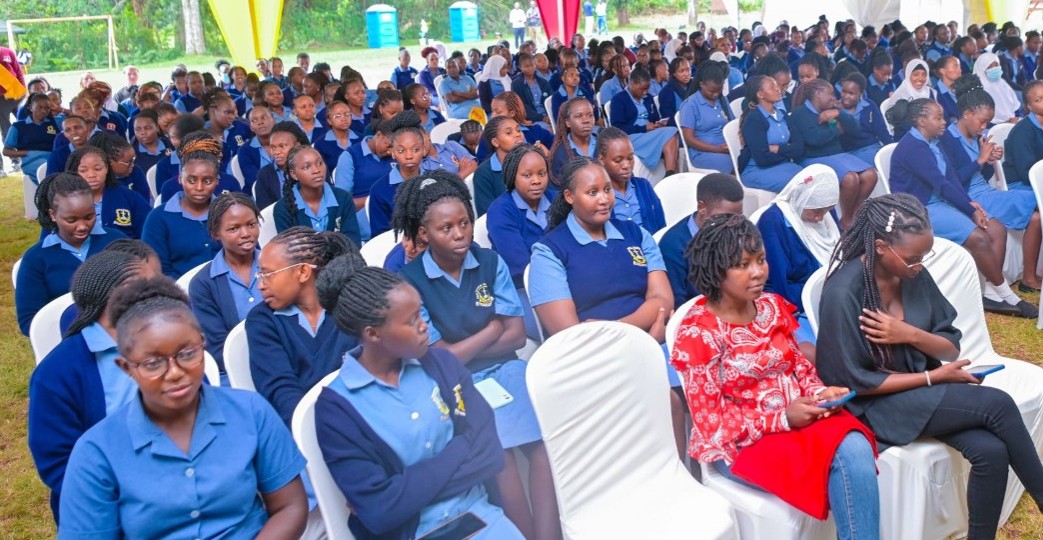
Schools and families must work together, while policymakers must find a careful balance between safeguarding free expression and protecting youth from harmful content. The challenge lies in fostering resilience, not enforcing censorship.
Social media is both a saviour and a thief. It democratizes creativity, expands economic and civic opportunities, and connects Ethiopia’s youth to global conversations. Yet it can also fragment attention, amplify disinformation, and strain mental health when left unchecked.
Ethiopia’s greatest asset is its youth. Whether social media becomes a ladder to opportunity or a trap of distraction depends on how responsibly society guides its use. The digital future is already here; the question is whether we will shape it wisely.
































Comments
Sign in with Google to comment, reply, and like comments.
Continue with Google