Millions of people across Somalia, Sri Lanka and Afghanistan are facing worsening hunger as the economic fallout from the Middle East crisis drives up global food, fuel and fertiliser prices, the World Food Programme (WFP) has warned.
A new WFP report, Food Security Under Pressure: How the Middle East Crisis is Impacting Vulnerable Countries, has found that the crisis is affecting about 6.1 million additional people across Somalia, Sri Lanka and Afghanistan.
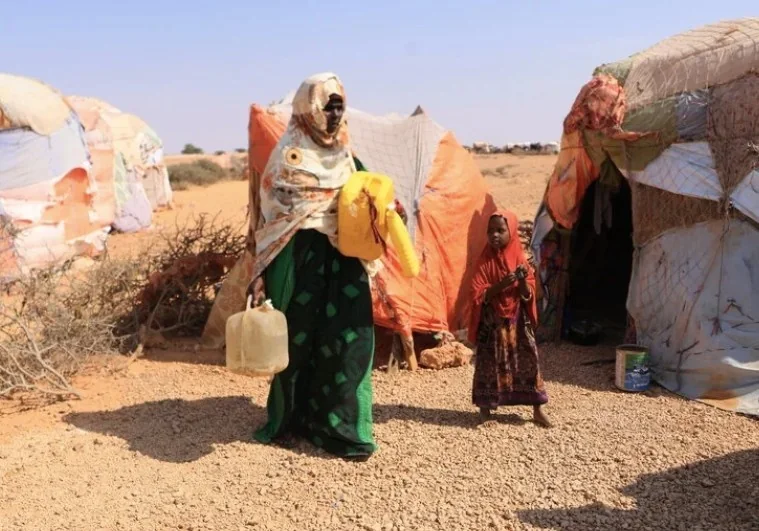
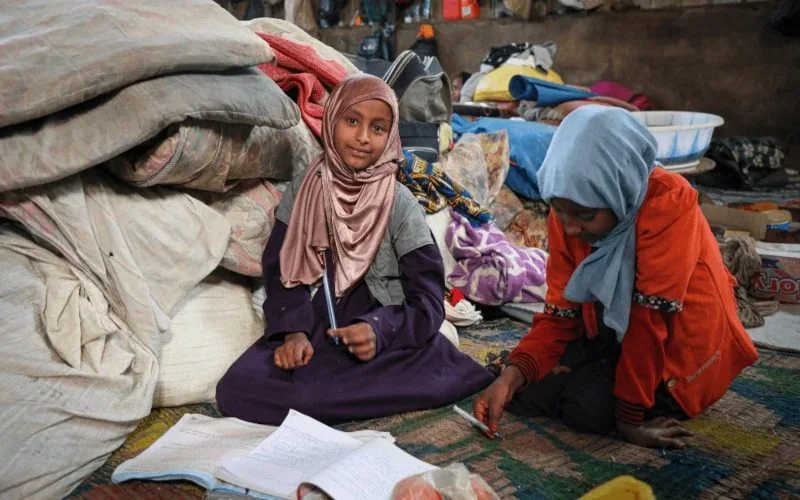
This includes 2.5 million people in Somalia, 1.3 million in Sri Lanka and 2.3 million in Afghanistan who are now struggling to meet basic food needs as falling incomes and rising prices reduce access to food.
According to WFP, the scenario it warned of earlier this year is now playing out, after it had projected that up to 45 million people globally could fall into acute food insecurity if the conflict-driven economic shock continued.
“Early warnings only matter if the world acts on them. We warned that this crisis could push millions more people into hunger; now we are watching it happen in real time,” said Jean-Martin Bauer, Director of WFP’s Food Security and Nutrition Analysis Service.
The UN agency added that countries already exposed to conflict, climate shocks, or heavy dependence on imports are being hit hardest, as higher fuel and fertiliser costs feed into food prices. It similarly noted that in many markets, food remains available, but is increasingly unaffordable for vulnerable households.
According to the agency, the impact is expected to intensify in the coming months, even if the conflict in the Middle East eases, as planting seasons are disrupted by input shortages and high production costs, threatening future harvests and food prices.
“One of the biggest concerns is that the full impact of this crisis has yet to be felt. Even if the conflict were to end today, irreversible damage has been done, and the impact on prices, livelihoods and humanitarian operations will continue to be felt for a long time," said Bauer.
The report also highlighted growing pressure on humanitarian operations, with rising delivery costs and shrinking funding expected to reduce WFP’s planned reach by 1.5 million people in 2026. It warned that if conditions worsen, more than 9 million people could lose access to humanitarian assistance.
“If the conflict continues in the coming months, more than 9 million people could lose assistance. WFP is calling for increased resources to match the growing humanitarian needs. Without urgent action, vulnerable families will be driven toward a catastrophic hunger emergency,” said the agency.









































Comments
Sign in with Google to comment, reply, and like comments.
Continue with Google