Africa Centres for Disease Control and Prevention (Africa CDC) and the World Health Organisation (WHO) are seeking to raise about Sh67 billion (US$518 million) to support a coordinated continental response to the ongoing Ebola outbreak caused by the Bundibugyo virus.
The six-month preparedness and response plan, running from June to November 2026, aims to strengthen early detection, rapid response, and coordination across affected and at-risk countries.
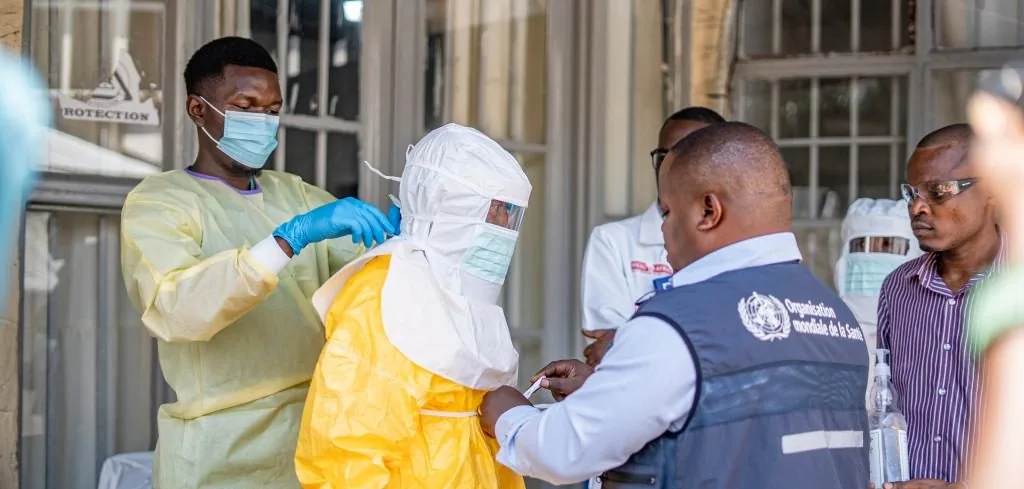
It brings together governments, partners, and communities under a unified “One Response” approach covering surveillance, laboratory systems, infection prevention and control, clinical care, logistics, community engagement, and essential health services.
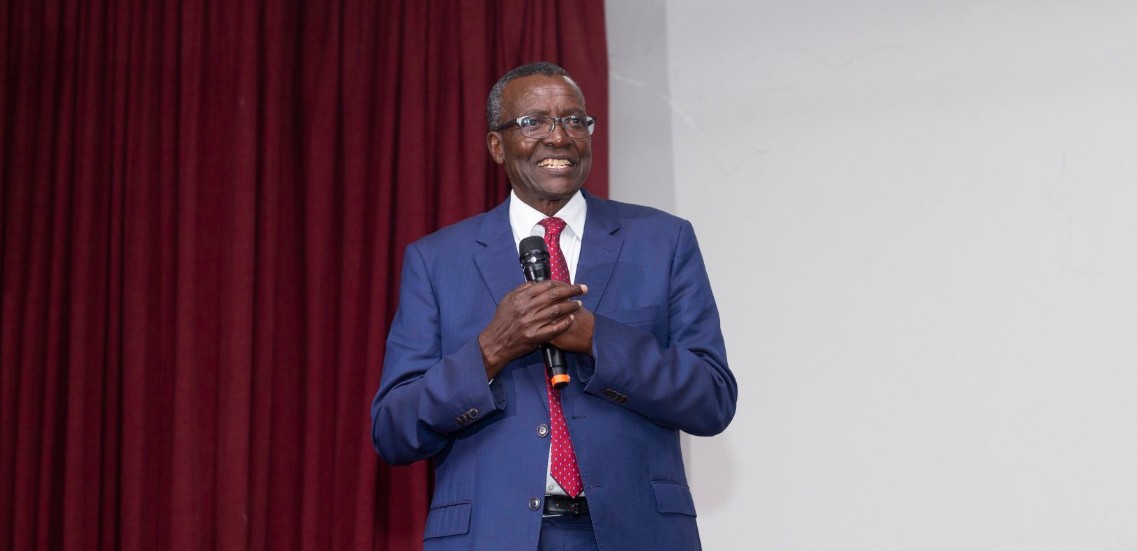
WHO Director-General Dr Tedros Adhanom Ghebreyesus said the plan is built on lessons from past Ebola outbreaks and recent health emergencies, stressing that speed, coordination, and consistency remain critical.
“We are not starting from zero. This plan draws on lessons from previous Ebola outbreaks and recent health emergencies. Those lessons are clear: speed matters, coordination matters, and consistency matters. The opportunity now is to act with clarity and discipline, using a common plan to guide a common effort. If we do that, we can bring this outbreak to an end and strengthen the systems that protect people from the next one,” he said.
Dr Tedros also highlighted the urgency of collective action, noting that no country can face the outbreak alone.
“This is a serious outbreak, and it’s one we know how to stop, but we need to move fast and together. No country faces this alone. As I said earlier, the key to this plan is partnership, especially between WHO and the Africa CDC,” he added.
Africa CDC Director-General Dr Jean Kaseya said the initiative calls for urgency and unity across the continent, stressing that it is designed to save lives, support affected countries, and strengthen regional preparedness.
The plan also focuses on protecting vulnerable populations, improving cross-border coordination, and ensuring rapid response to new cases. With no licensed vaccine or specific treatment for the Bundibugyo strain of Ebola, it aims to reinforce health systems to enhance resilience during emergencies.
Implementation has already begun in high-risk countries, with 10 priority nations scaling up preparedness measures to improve early detection and response capacity.
The strategy also emphasises continuity in addressing other health emergencies such as mpox, cholera, and measles, to avoid disrupting essential health services and to strengthen overall health system resilience.
Authorities in the Democratic Republic of the Congo, supported by Africa CDC, WHO, and partners, are intensifying containment efforts as response operations continue.
Member states have been urged to strengthen screening at points of entry and enhance cross-border coordination to ensure a timely and effective response.
The joint initiative draws on lessons from past outbreaks, aiming not only to contain the current Ebola spread but also to build long-term capacity across Africa to prevent, detect, and respond to future health threats.
As of June 5, 2026, the Bundibugyo Ebola outbreak continues to affect both the DRC and Uganda, with case numbers still being updated as surveillance and contact tracing efforts continue.
In the DRC, health authorities have reported about 344 confirmed cases and approximately 60 deaths linked to the outbreak. The situation remains fluid as ongoing investigations continue to verify suspected cases and refine earlier figures.
In Uganda, the outbreak remains more contained, with 15 confirmed cases and 1 reported death. Health officials continue to monitor contacts and strengthen containment measures to prevent further spread.
The outbreak is still active in parts of eastern DRC, with cross-border risk into Uganda, prompting continued response efforts from national authorities, WHO, and Africa CDC.





















Comments
Sign in with Google to comment, reply, and like comments.
Continue with Google