A conservation programme that started with the restoration of just 50 hectares of degraded forest land in 2017 has grown into one of Kenya’s most successful community-driven environmental and economic empowerment initiatives.
As preparations gather momentum for the 10th Edition of the Kaptagat Integrated Conservation Programme (KICP), set for July 11, 2026, stakeholders are celebrating the programme’s remarkable transformation from a reforestation effort into a model for sustainable development, job creation and community resilience.
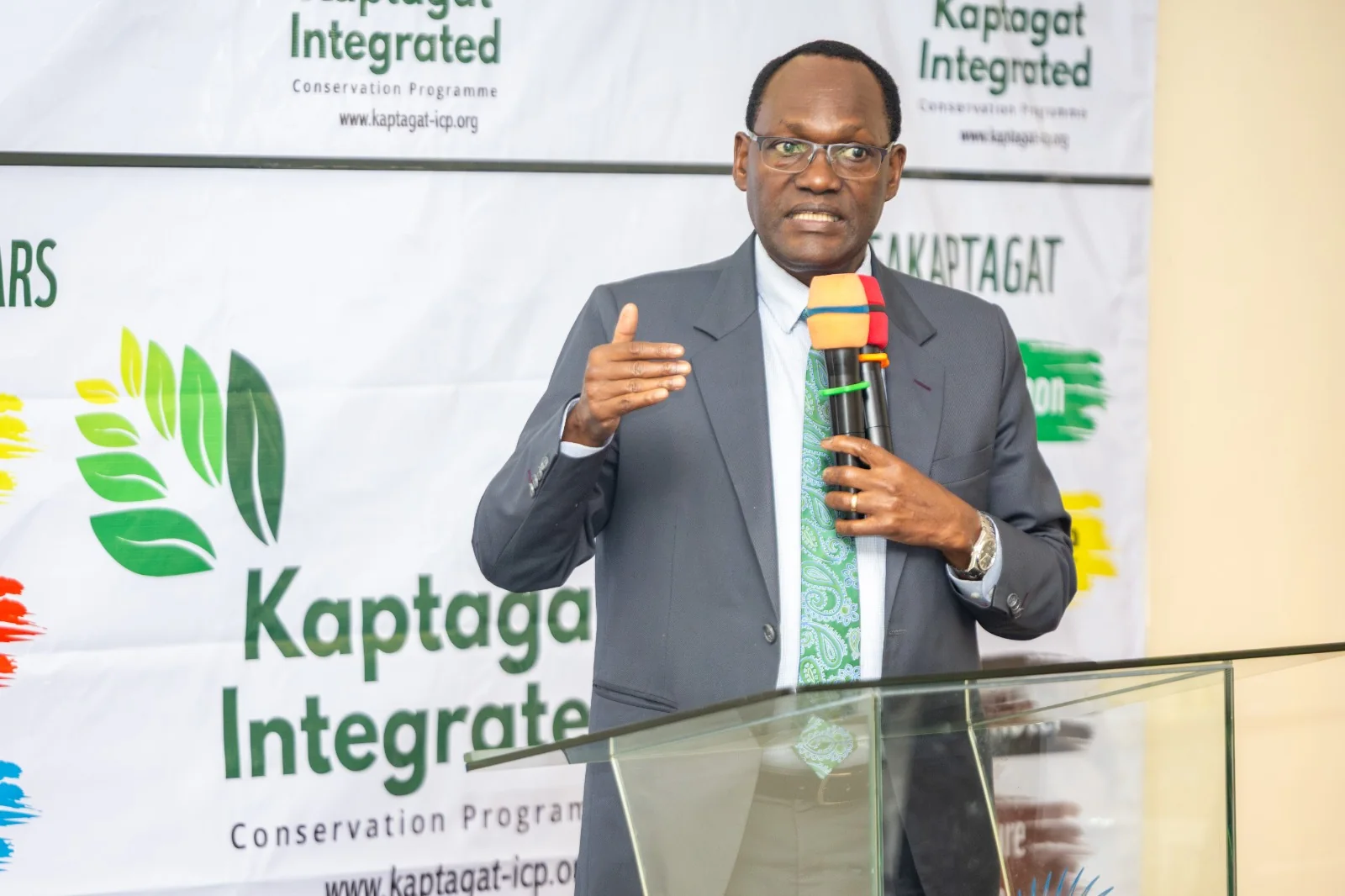
Speaking during a stakeholders’ meeting in Nairobi, National Treasury Principal Secretary and KICP Patron Dr Chris Kiptoo said the initiative has proven that environmental conservation can go hand in hand with economic growth and improved livelihoods.
“KICP is not merely an environmental campaign; it is an economic transformation programme,” Dr Kiptoo said. “Its success demonstrates how restoring natural ecosystems can create opportunities, increase household incomes and improve the quality of life for communities.”
Founded by Dr Kiptoo in 2017, the programme was established to mobilise communities living around the Kaptagat Forest to restore degraded landscapes while creating sustainable income-generating opportunities.
Since then, it has expanded significantly, restoring thousands of hectares and protecting vital forest blocks including Pombo, Sabor, Benson, Kipkabus and Kessup.
At the heart of the initiative is a strategy that links conservation with economic empowerment. Through the promotion of high-value crops such as tea, coffee and avocado, local communities are able to earn sustainable incomes while reducing dependence on forest resources.
The programme is also investing in improved water distribution systems and climate-smart agricultural practices, while targeting the creation of at least 2,000 green jobs in conservation, tree growing and environmental management.
“Everybody deserves to live in a sustainable environment to build sustainable livelihoods,” Dr Kiptoo noted, emphasising the need to replicate the Kaptagat model in other parts of the country.
The importance of conserving the Kaptagat ecosystem extends far beyond the surrounding communities.
The forest serves as a critical water tower, feeding rivers such as Ndoroti and Sosiani that eventually drain into Lake Victoria. It also supplies a substantial portion of the water consumed in Eldoret City, making its protection essential for water security, biodiversity conservation and climate resilience.
The programme’s impact was evident during last year’s edition, which covered 988 hectares and delivered extensive livelihood-support interventions.
Farmers received 385,000 tea seedlings, 111,000 coffee seedlings, 70,000 avocado seedlings and 3,000 macadamia seedlings, helping strengthen household incomes while advancing restoration efforts.







































Comments
Sign in with Google to comment, reply, and like comments.
Continue with Google