Fishermen and traders along Lake Victoria have raised concerns as East Africa grapples with Ebola outbreaks in Uganda and the Democratic Republic of Congo (DRC), warning that daily cross-border movement across the lake could increase the risk of undetected transmission.
The shoreline communities, where thousands of fishermen, traders and transporters interact daily, depend heavily on informal water routes that often lack proper health screening. This has raised fears that porous borders and constant human movement between Uganda, Kenya, and neighbouring DRC-linked trading points could complicate efforts to contain the outbreak.
National Beach Management Unit (BMU) chairperson Tom Guda warned that the lake region remains highly exposed due to weak surveillance systems, lack of screening services, and limited public awareness. He noted that fishing communities are densely populated and highly mobile, increasing the risk of rapid spread if a case is introduced.
Guda explained that fishermen from Kenya, Uganda, and Tanzania frequently interact across shared landing sites and islands such as Remba, Ringiti, and Mageta, while BMUs in Busia County maintain daily contact with Ugandan counterparts. He said much of this movement is informal and largely unmonitored.
He further noted that most island communities lack stationed health personnel and that many entry points across the lake remain unmanned, leaving major gaps in surveillance and response capacity.
"We do not have screening services in most island communities. We do not have personnel stationed there, "Guda told The Standard. "Surveillance is weak, and many entry points remain completely unguarded. People continue to move freely across the lake without any monitoring.
Fishermen also expressed concern over low levels of awareness, saying many community members would struggle to recognise Ebola symptoms or distinguish them from common illnesses such as malaria or cholera. They added that most people do not know where to report suspected cases or how to respond in the event of an alert.
Community leaders are now calling for urgent strengthening of surveillance systems, expanded health education campaigns, and improved cross-border coordination to reduce the risk of transmission in one of East Africa’s most active trade and movement corridors.
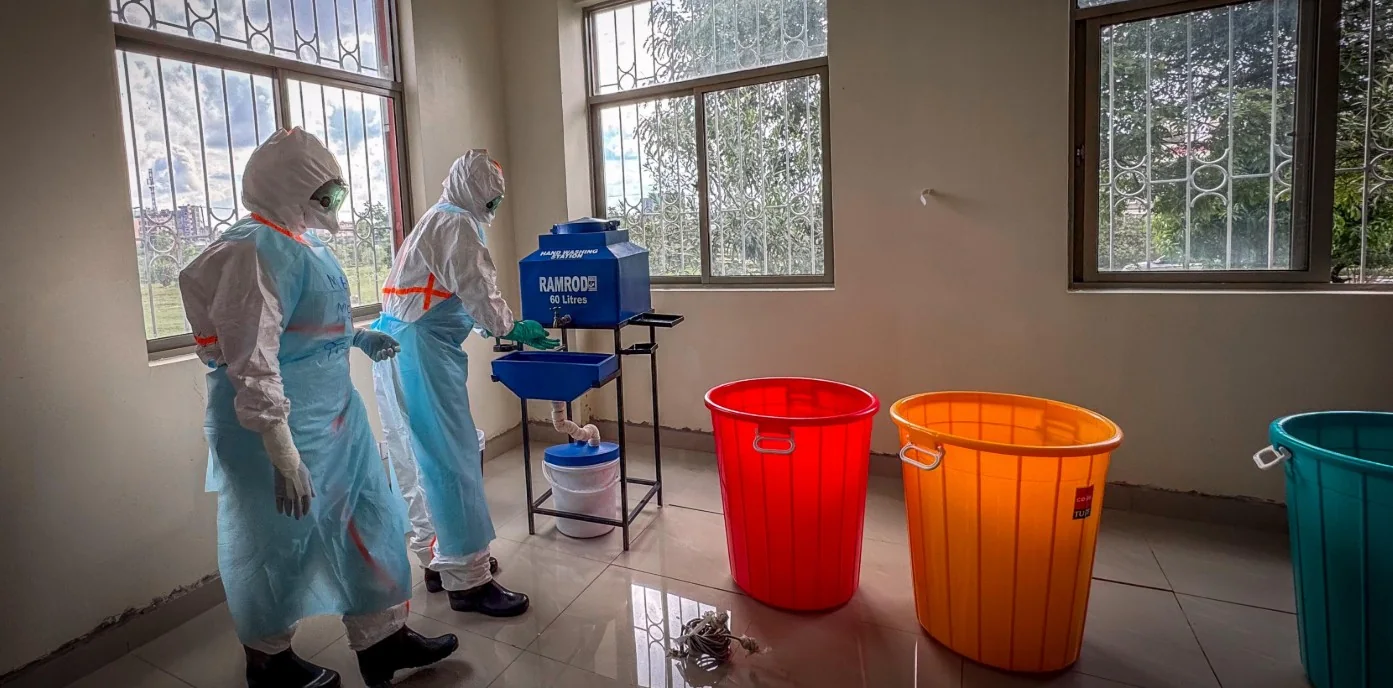
According to the Ministry of Health, Kenya’s borders will remain open as screening measures continue to be strengthened. The ministry says ongoing surveillance and health checks at points of entry will be maintained to ensure early detection and prevent the spread of Ebola while facilitating the continued movement of people and trade.
Health authorities have screened more than 77,000 travellers at Kenya’s 26 designated points of entry as part of strengthened surveillance measures amid the regional Ebola threat. The system, which tracks an estimated 3,000 arrivals daily, has so far helped ensure that Kenya remains free of the virus, with all suspected cases tested returning negative results.
On June 4, Public Health Principal Secretary (PS) Mary Muthoni Muriuki said that 27 suspected Ebola samples collected across the country had all tested negative. She added that ongoing screening of travellers from affected countries has not detected any confirmed cases, reinforcing Kenya’s Ebola-free status.









































Comments
Sign in with Google to comment, reply, and like comments.
Continue with Google