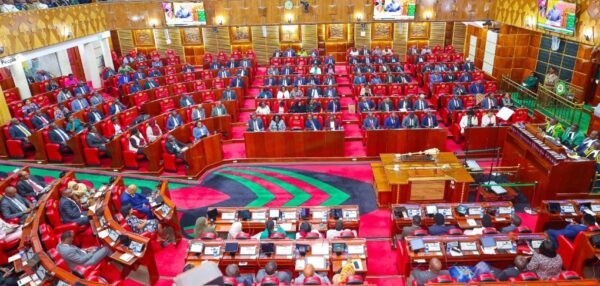
The National Assembly has approved the 2026/27 Estimates of Revenue and Expenditure and the Medium Term framework, setting out a broad spending plan that prioritises health, education, housing and social protection.
Moving the motion, the Chairperson of the Budget and Appropriations Committee, Samuel Atandi, outlined a framework anchored on public participation and targeted investments in health, education, housing, agriculture, and environmental resilience.
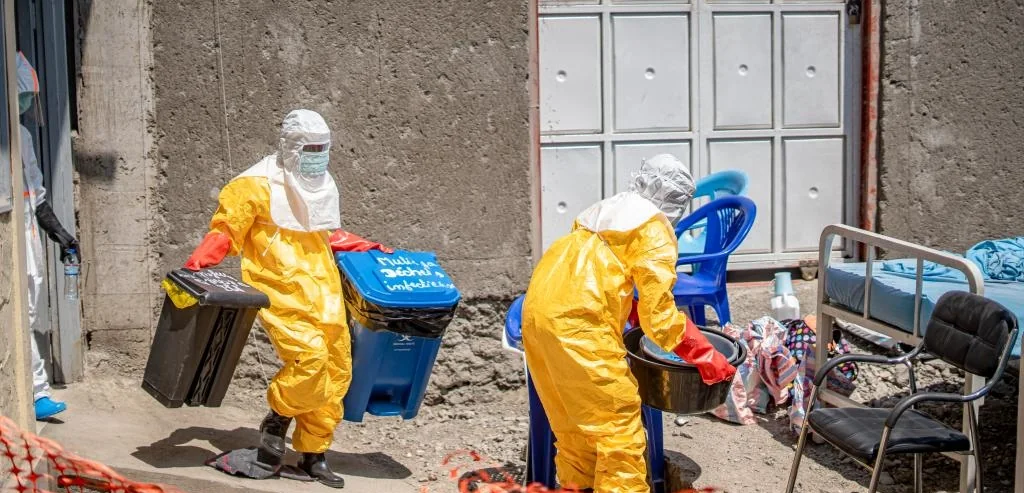
“This budget is structured to strengthen Universal Health Coverage, improve primary healthcare services, and expand specialised healthcare infrastructure,” Atandi said, highlighting a health sector allocation of Sh175.5 billion.
To advance Universal Health Coverage (UHC), MPs approved Sh19.1 billion for the Primary Healthcare Fund to strengthen community health systems and local dispensaries, while Sh4 billion will support the Emergency, Chronic and Critical Illness Fund.
The Global Fund Programme also received Sh18.5 billion to sustain the fight against HIV/AIDS, malaria and tuberculosis.
Education emerged as the biggest beneficiary, with Sh781.4 billion allocated to support basic, tertiary and university programmes. The allocation includes Sh4.9 billion to convert 20,000 intern teachers into permanent and pensionable terms, alongside Sh56.7 billion for the Higher Education Loans Board (HELB) to expand access to university education for needy students.
Housing received a major boost with Sh138.2 billion allocated, including Sh50 billion for the Affordable Housing Programme to accelerate construction, urban infrastructure and informal settlement upgrading, while also creating jobs for youth in the construction value chain.
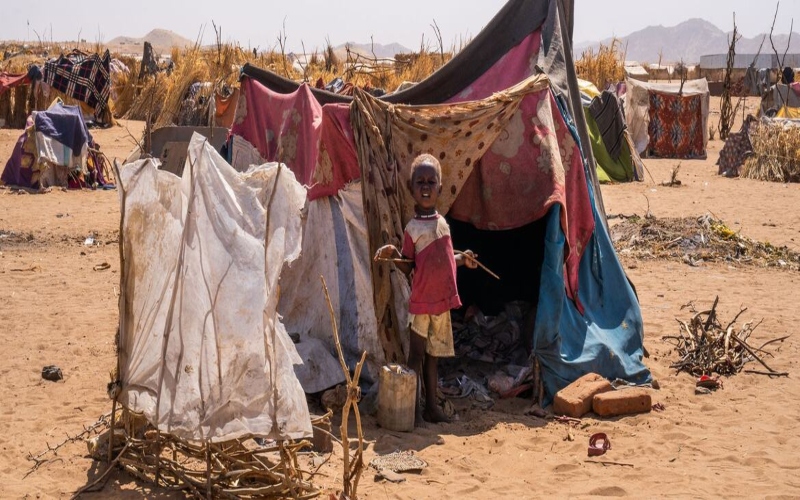
To strengthen social protection, MPs approved Sh25 billion for elderly cash transfers, Sh8.9 billion for orphans and vulnerable children, and additional funding for persons with disabilities and the Hunger Safety Net Programme. Youth programmes, including the National Youth Service, received sh12.5 billion.
Energy and digital infrastructure also received funding, with Sh16.3 billion for rural electrification, Sh7.5 billion for national grid expansion, and support for ICT hubs, cybersecurity systems and completion of the Konza Data Centre.
Seconding the motion, MP Robert Pukose praised the budget’s grassroots focus, particularly the introduction of stipends for village elders.
“For the first time, the Committee has approved Sh3.5 billion for stipends for village elders. We are hoping that the NGAO will now be able to pay Sh3,000 monthly to these important community leaders,” Pukose said.
At the same time, MPs flagged fiscal concerns, with public debt projected at about sh1.1 trillion, warning of rising debt servicing obligations. They also endorsed reforms such as the Electronic Government Procurement system, projected to save Sh36.9 billion, and called for improved management of Exchequer releases to reduce pending bills.
Following approval, the Estimates will now form the basis of the Appropriation Bill, which will authorise government spending in the new financial year.























Comments
Sign in with Google to comment, reply, and like comments.
Continue with Google