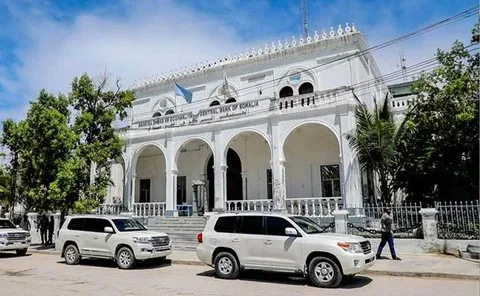
Somalia plans to expand its national instant payment system by connecting commercial banks, mobile money providers and regional payment networks in a move aimed at improving digital financial services and making cross-border payments easier across Africa.
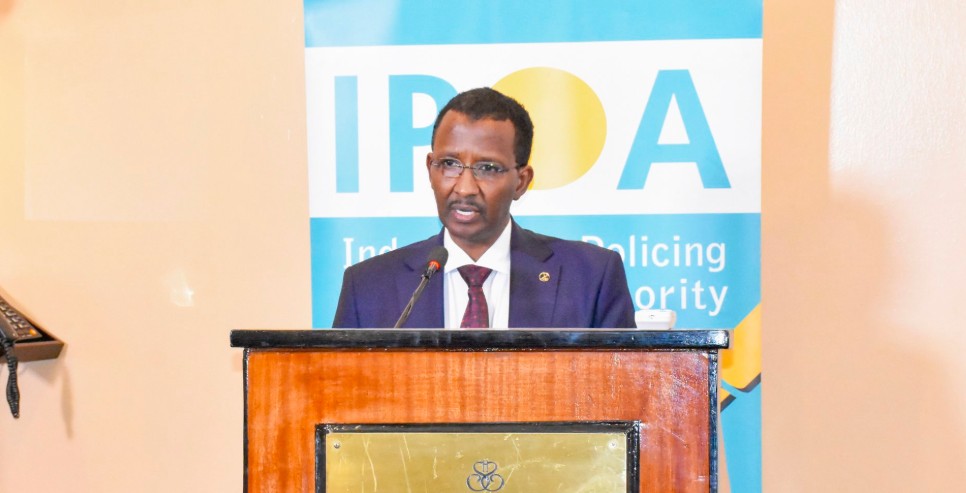
Central Bank of Somalia Governor Abdirahman Mohamed Abdullahi said the next phase of the Somalia Instant Payment System (SIPS) will include integration with the Pan-African Payment and Settlement System (PAPSS) before the end of 2026, helping the country strengthen financial links with other African economies while supporting the development of a digital economy.
The expansion builds on reforms that began in 2021 when the Central Bank connected commercial banks through the National Payment System for large-value transactions. That system enabled real-time gross settlement and automated clearing of interbank payments but did not provide the continuous infrastructure needed for day-to-day retail transactions.
The Central Bank launched the Somalia Instant Payment System in January 2025 to address that gap by providing a platform that supports instant payments throughout the day and night. Built on the ISO 20022 international financial messaging standard, the system allows participating institutions to process payments through a single interoperable network.
When fully integrated, SIPS will connect 14 commercial banks and eight mobile money and e-wallet providers, allowing customers to send and receive money across different financial institutions without the need for separate payment systems.
The platform supports person-to-person transfers, merchant payments, payments to government institutions and government disbursements to citizens. The Central Bank also said business-to-person, business-to-government and business-to-business payment services are under development as part of efforts to expand the system's capabilities.
Officials say the wider range of payment services is expected to improve access to digital financial services for individuals, businesses and public institutions while reducing the time needed to complete transactions.
The Central Bank also plans to integrate SIPS with SOMQR, Somalia's standardised QR code payment system, allowing merchants to receive digital payments through a common platform. The move is expected to support businesses operating in both the formal and informal sectors, where a large share of daily commercial activity takes place.
The expansion comes as Somalia continues efforts to modernise its financial infrastructure after years of relying heavily on cash and mobile money services that often operate independently. By linking banks, mobile money providers and regional payment systems, authorities hope to create a more connected financial network capable of supporting domestic and international transactions.
Governor Abdullahi said the payment system was designed as a joint project between the Central Bank and the country's commercial banking sector rather than being operated solely by the regulator.
"SIPS did not emerge from a government mandate alone. The Somalia Payment Switch, which operates SIPS, was established as a partnership between the Central Bank and 13 commercial banks. That structure was deliberate. I believe that shared infrastructure built through collaboration is more resilient than infrastructure fully operated by the Central Bank," he said.
The governor said connecting the platform to the Pan-African Payment and Settlement System before the end of next year will allow Somalia to participate more fully in regional payment networks, making it easier for businesses and individuals to conduct transactions with partners across Africa.
The Central Bank views the payment system as part of a broader strategy to modernise the country's financial sector, improve access to digital payments and create the infrastructure needed to support future economic growth






































Comments
Sign in with Google to comment, reply, and like comments.
Continue with Google