African countries could suffer economic losses of up to $20 billion (approximately Sh2.58 trillion) and face increased humanitarian pressure if a predicted 'super' El Niño hits with the strength currently expected, the African Development Bank (AfDB) has warned.
According to the bank, the weather event could reduce economic growth in heavily affected countries, threaten food and water security and trigger mass migration.
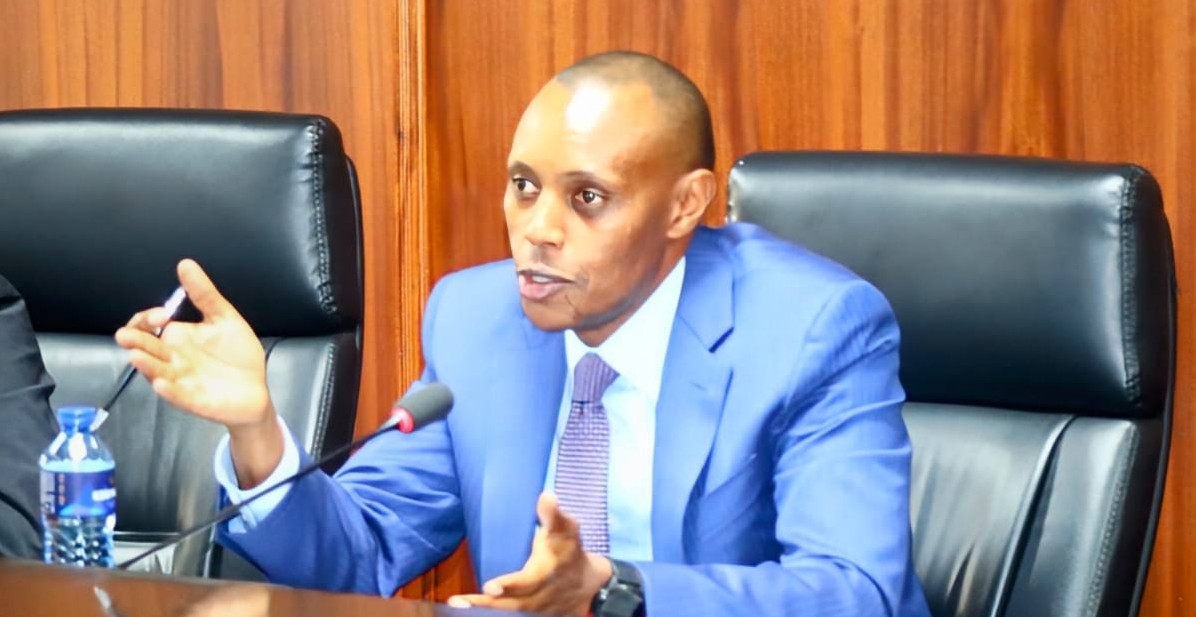
AfDB director for climate change and green growth, Anthony Nyong, said the expected weather event could reduce the gross domestic product (GDP) of severely affected countries by between one and two per cent on average, translating to losses of about $10 billion to $20 billion across the continent.
“Just this event is going to reduce heavily affected countries’ GDP by 1 per cent to 2 per cent on average, which is about $10 billion to $20 billion across the continent,” Nyong said.
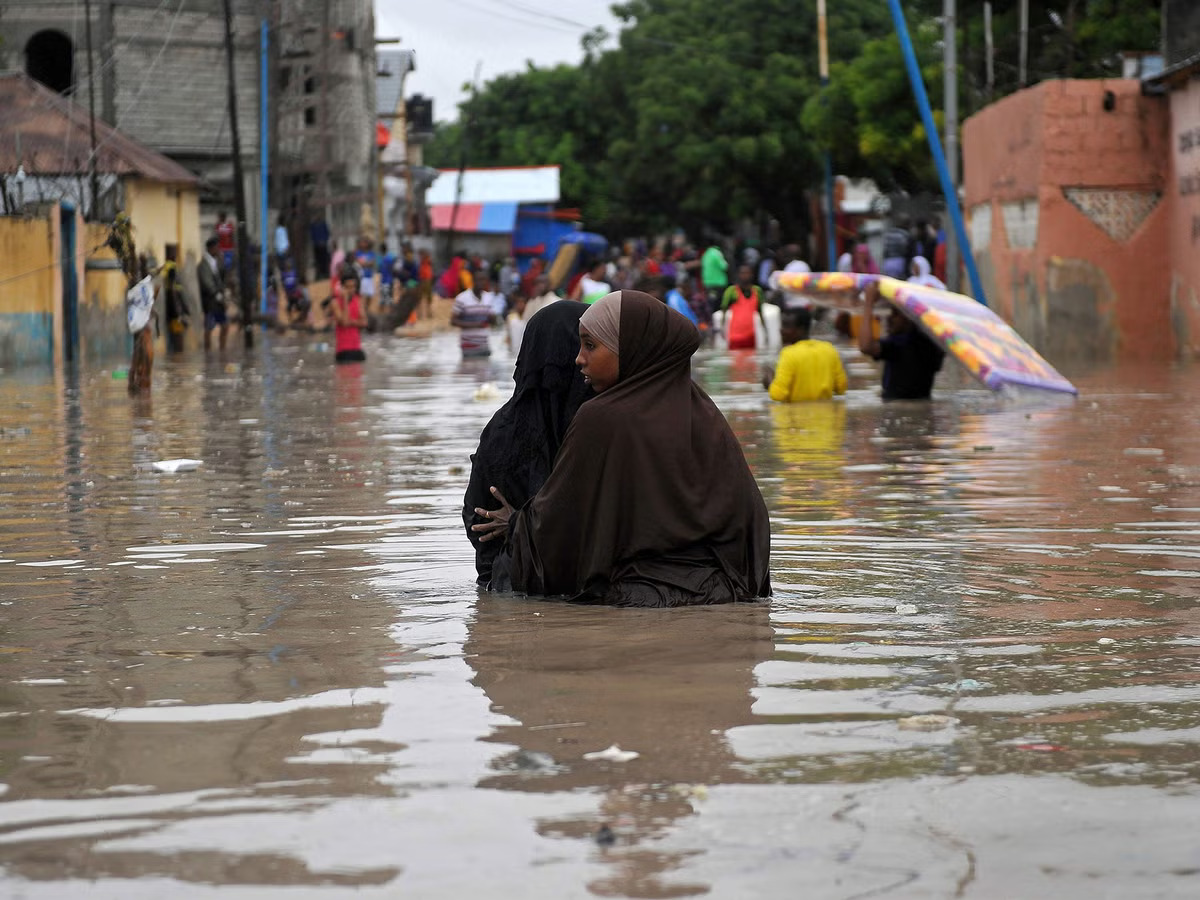
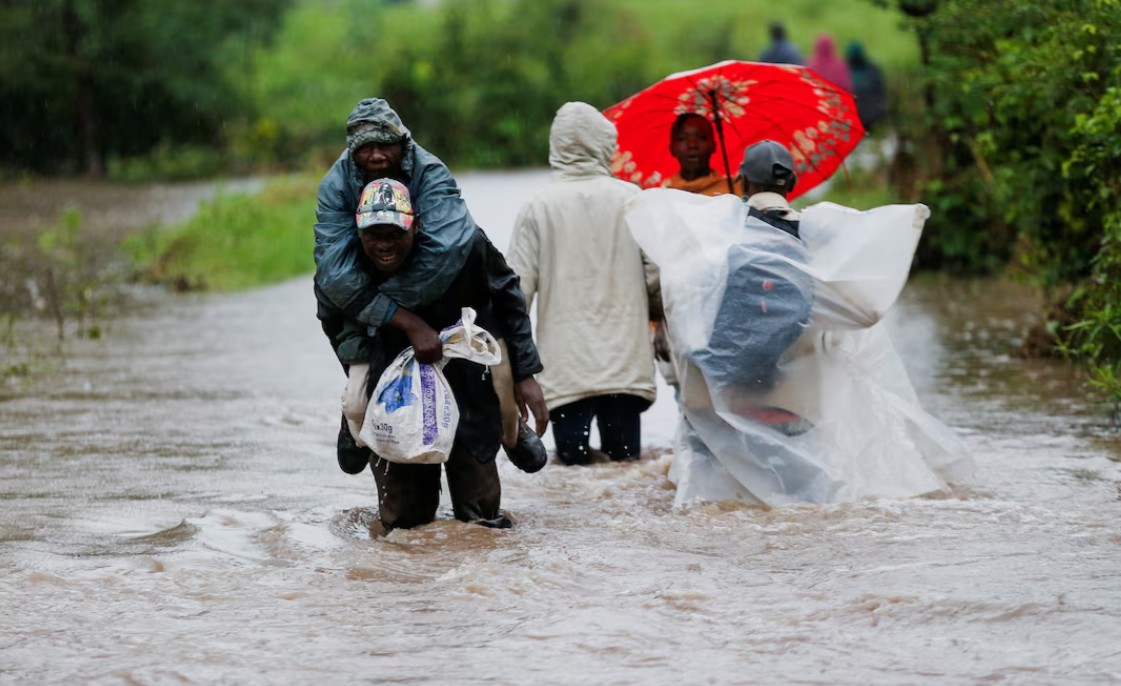
Forecasters have warned that the El Niño weather pattern, which is linked to droughts, flooding and storms in Africa, could become one of the strongest ever recorded if current warming trends in the Pacific Ocean continue.
The impact of the weather event could go beyond food and water shortages, with governments also facing pressure on their finances and banking sectors if damaged infrastructure leaves countries struggling to meet loan obligations.
The AfDB’s latest projections released in May showed that Africa’s economy was expected to grow by 4.2 per cent this year and rise to 4.4 per cent in 2027, assuming the US-Israeli war on Iran eases.
However, the projections were released before warnings of a possible 'super' or 'Godzilla' El Niño emerged.
Nyong’s estimate of the possible economic impact is the first from a major multilateral development bank linked to the expected El Niño.
He said drought conditions affecting much of the Sahel region in recent years could persist, while Mozambique’s recovery after Cyclone Idai in 2019 showed that countries can take years to recover from major storms.
Nyong also warned that governments were caught in what he described as the “climate finance trap”, where countries lack enough resources to respond to disasters and are forced to take money from health, education and infrastructure budgets to deal with the effects.
The 2023 to 2024 El Niño event caused severe drought in southern Africa and heavy rains and flooding in East Africa. The conditions resulted in widespread crop failures, higher food prices and record-breaking sea-level rises along parts of the continent’s coast.
The African Development Bank estimates that farmers across Africa are already facing nearly $330 million in lost income this year, while fishing industries could also suffer due to rising sea temperatures and storms.
“When these shocks happen, countries take two steps back. We don’t want our countries to slide into poverty,” Nyong said.
The bank is preparing to increase its response to El Niño through a bank-wide seminar in September, where senior officials will assess the possible effects on planned and existing investments.
Nyong said the bank was ready to restructure projects to help countries manage the impact of El Niño and would work with governments to access additional support from multilateral institutions such as the Green Climate Fund.
Other possible sources of support include the Adaptation Fund, Climate Investment Funds and new loss-and-damage financing mechanisms, he added.
A United Nations report released in October estimated that developing countries will need about $365 billion every year by 2035 to address climate change. However, international public adaptation financing stood at only $26 billion in 2023.
Nyong said Africa could need up to $100 billion this year because of the expected strength of the El Niño event.
He warned that humanitarian challenges would increase, with Sudan, South Sudan, the Democratic Republic of Congo, Somalia, Mali, Burundi and Nigeria among countries that could experience severe effects.
“When this El Niño comes there is going to be mass migration,” Nyong said, adding that maize prices, a key food staple in many affected countries, were expected to double.
“You are not going to stay put, you are going to move.”
Nyong said shortages of resources and increased competition for grazing land and water could worsen existing challenges in vulnerable regions. He added that agricultural losses were estimated at $327 million, while fisheries productivity could decline by between one and four per cent.
The AfDB said the expected crisis shows the need for African countries to strengthen their ability to withstand climate shocks before disasters occur. The issue is expected to be a major focus during the next global climate talks scheduled to be held in Turkey in November.





























Comments
Sign in with Google to comment, reply, and like comments.
Continue with Google