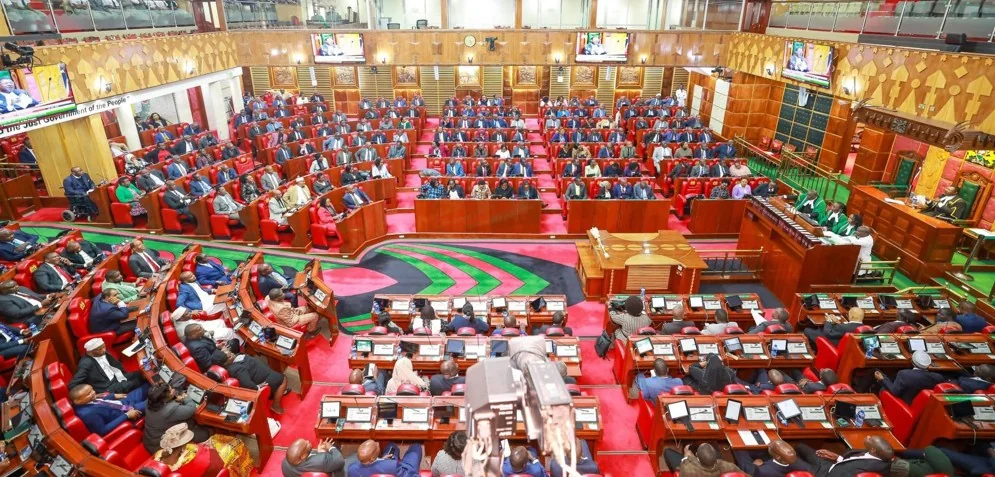
Members of Parliament have called for amendments to the Public Finance Management Act after revelations that billions of shillings collected from Kenyans through the housing levy remain outside the Controller of Budget's (CoB) oversight due to legal gaps.
In a report tabled before the National Assembly, the Constitutional Implementation Oversight Committee said changes to the law would ensure all special funds and levies are placed under the oversight of the CoB to strengthen accountability in the management of public resources.
The committee said the absence of independent oversight over the housing levy limits transparency and creates gaps in the monitoring of billions of shillings collected every year from workers and employers.
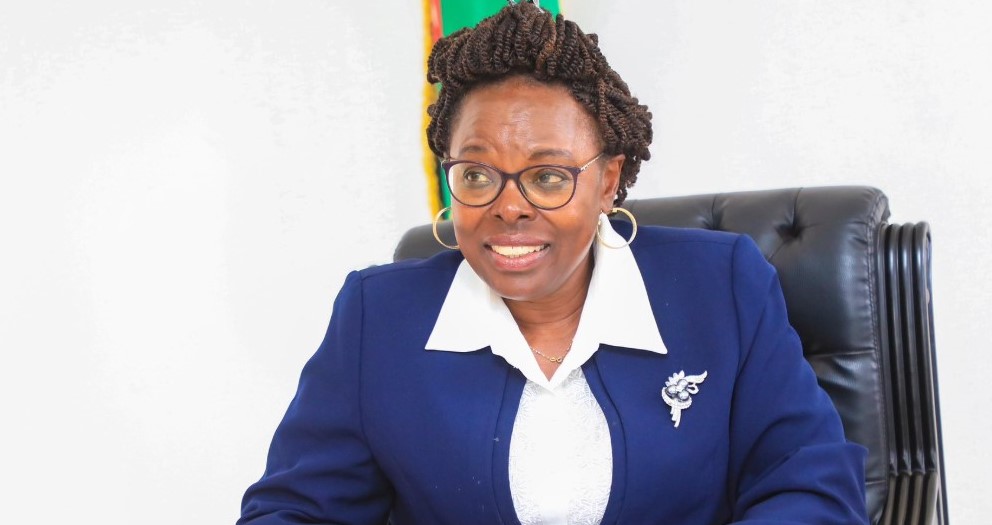
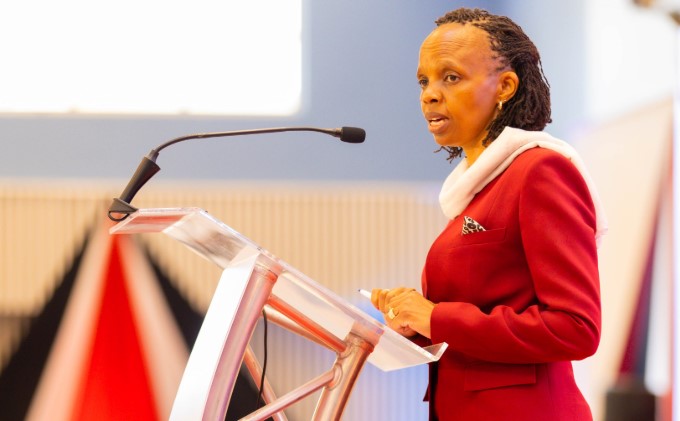
The report on the status of implementation of the Constitution by the Office of the Controller of Budget cited Controller of Budget Margaret Nyakang’o, who said the current legal framework prevents her office from independently supervising the housing levy funds.
“The Controller of Budget clarified that the Housing Levy falls outside the OCoB's oversight mandate due to its classification as a "levy" rather than a budgeted fund. This legal loophole prevents any independent oversight of the estimated Sh63 billion collected annually under this programme,” reads the report.
The committee said amending the Public Finance Management Act would provide “the much-needed effective oversight of public funds” by allowing the CoB to monitor the use of the funds.
The Office of the Controller of Budget is mandated to oversee the implementation of national and county government budgets by approving withdrawals from public funds. It is also required to prepare, publish and publicise statutory reports and conduct investigations into the use of public funds either on its own initiative or after receiving complaints from members of the public.
However, the committee said the office continues to face limitations due to gaps in the law, which affect its ability to enforce its recommendations.
“The CoB’s oversight mandate is severely undermined by legislative limitations and lack of enforcement mechanisms,” the CIOC said, adding that “the Housing Levy’s exclusion from oversight creates significant accountability gaps.”
The legislators also want the National Treasury to implement an integrated payment system between the Office of the Controller of Budget and the Central Bank of Kenya to help track housing levy funds from approval to expenditure.
Housing and Urban Development Principal Secretary Charles Hinga had earlier told the National Assembly’s Departmental Committee on Housing, Urban Planning and Public Works that between Sh5 billion and Sh6 billion is collected every month through housing levy deductions.
According to Hinga, the money collected to finance affordable housing projects is invested by the government in Treasury bills and bonds, even as the Controller of Budget reported that the delivery of housing units remains behind schedule.
The committee is further seeking amendments to the Controller of Budget Act to give the office enforcement powers to ensure its recommendations are implemented, remove restrictions on economic reporting and introduce sanctions for violations.
Through the affordable housing programme, President William Ruto committed to constructing at least 200,000 housing units annually to address the housing shortage and create jobs for low- and middle-income earners.
To finance the programme, Parliament enacted the Affordable Housing Act, which came into operation on March 19, 2024. The law established a mandatory levy to fund affordable housing projects under the government’s Bottom-Up Economic Transformation Agenda.
The housing levy is charged at 1.5 per cent of an employee’s gross monthly income as a pre-tax deduction, with employers required to make a matching contribution.
However, in her August 2025 National Government Budget Implementation and Review Report for the 2024/25 financial year, Nyakang’o said the affordable housing programme remained largely behind schedule three years after it was launched.
When she appeared before the Constitutional Implementation Oversight Committee, Nyakang’o identified legislative and operational challenges as “critical limitations” affecting the work of the Controller of Budget.
She noted that the law prevents her office from reporting on economic developments and fiscal forecasts and does not provide enforcement powers to ensure recommendations made by the office are followed.
“For the avoidance of doubt, the reports submitted to parliament shall not include reports on recent economic developments and outlook, including revenue, grants and loans forecasts and receipts,” reads section 9 (4) of the CoB Act.




























Comments
Sign in with Google to comment, reply, and like comments.
Continue with Google