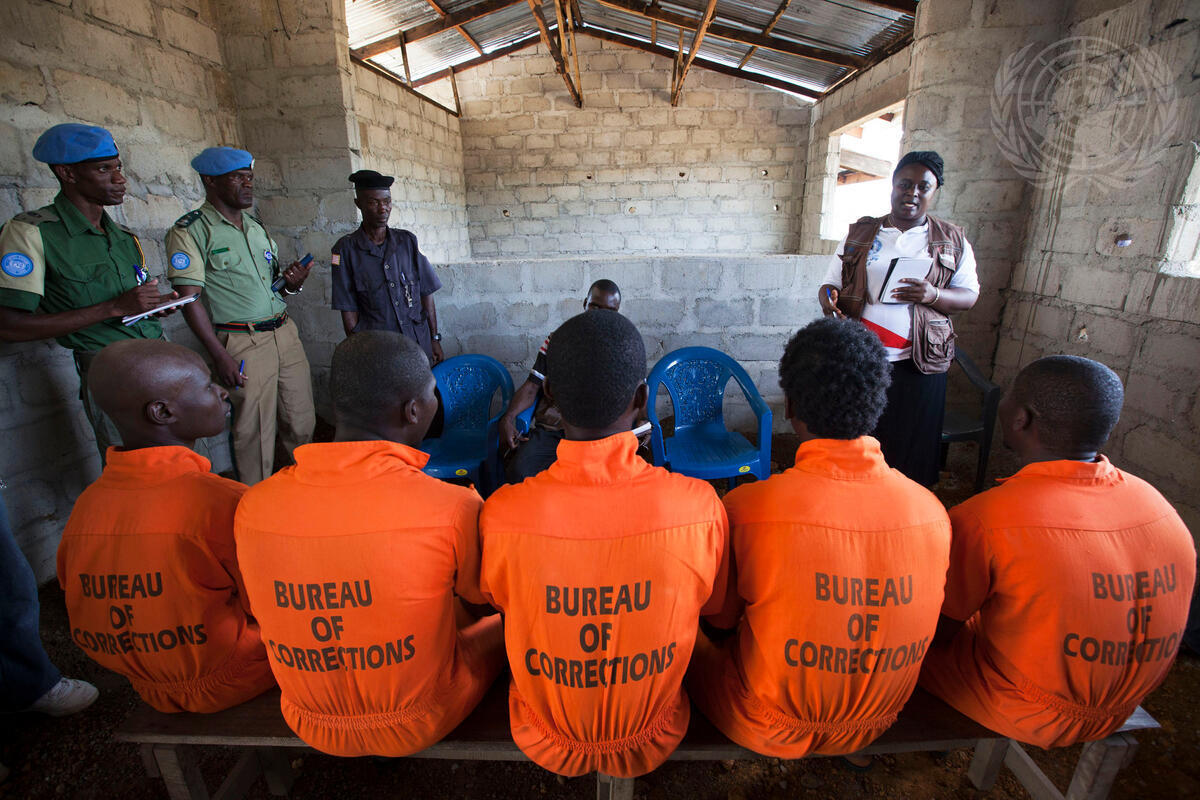
The number of people in prisons worldwide has risen from 25 to 27 per cent since the year 2000, with regional increases in Africa, the Americas, Oceania, and parts of Asia, according to Global Prison Trends, 2026, by Penal Reform International and the Thailand Institute of Justice.
The growth has been linked to expanding pre-trial detention, as overcrowding continued to hurt the facilities in over 100 countries, undermining dignity, healthcare, and rehabilitation.
The report says the rule of law is under growing strain, with criminal justice and prison systems performing particularly poorly.
The Global Prison Population stands at 11.7 million, as overcrowding and excessive pre-trial detention remain. As such, the number is, however, dynamic as the number moving in and out each year is much higher.
“Non-custodial sanctions are expanding globally, albeit unevenly, and challenges remain. People continue to be criminalised for poverty, their gender or status, amid marginalisation and Inequality,” the report says, noting that on any given day, a total of 11.5 million people are held in prison.
The state of prisons has, however, pushed back on the role of the facilities in playing their rehabilitation role, as persistent weaknesses in criminal justice and prison systems linger in multiple states.
“Weak correctional outcomes, high imprisonment rates, and corruption undermine public trust, while stronger rule of law environments rely more on non-custodial measures and achieve better rehabilitation and justice outcomes,” the report says.
The impact of increased armed conflicts on prisons has further led to high risks of violence, and basic needs often go unmet.
The violence is closely linked to overcrowding, organised crime and systemic instability, with the report adding that organised crime networks are strengthening their influence within prisons.
This violence, which is significantly caused by overcrowding, continues to shape prison life globally, harming the most vulnerable people and placing a strain on prison staff.
It also significantly increases the risk of violent incidents, while deaths linked to organised crime, unrest and weak oversight continue in some countries.
The report reveals that the organised crime groups are consolidating power inside prisons, using overcrowded, under-resourced and poorly supervised systems to recruit members and coordinate criminal activity in many jurisdictions.
“From Latin America to Europe and the Pacific, authorities warn prisons are becoming operational hubs for gangs, prompting increasingly securitised responses, amid ongoing human rights concerns and risks to staff safety,” the report shows.
Additionally, it notes that in 2025, around 831 million people lived in conflict-affected settings, yet prisons remain largely overlooked in humanitarian responses.
Across several regions, armed violence has damaged facilities, disrupted justice systems and heightened risks of overcrowding, abuse and sexual violence, leaving many people in prison without adequate protection during conflict.
Across regions, prison authorities further reported growing difficulties recruiting and retaining staff amid overcrowding, unsafe conditions and limited resources.
Chronic understaffing
The report says that while new Initiatives to support staff well-being and professional development have been prompted by violence against staff, high vacancy rates and widespread stress and burnout have been documented worldwide.
“Chronic understaffing, inadequate services, and gaps in community care drive this crisis. Promising interventions, including peer support, trauma-informed approaches, telepsychiatry, and civil society partnerships, show impact, but systemic change is missing in many parts of the world,” it explains.
It further notes that while advocacy efforts that have seen facilities shift towards people-centred language in criminal justice gain momentum in several regions, progress continues to lag behind advances seen in other sectors such as disability rights, HIV responses and drug policy.
The efforts include challenging the use of dehumanising labels and promoting more people-centred terminology in the justice sector, which is mostly done by people with lived experience of imprisonment and civil society.
Alternative justice systems have also led to the uptake in probation and community sanctions; however, imprisonment often remains dominant and reforms either risk widening criminal justice control or fail to be properly resourced to ensure effectiveness.
At the same time, existing laws and practices see people continue to be criminalised for poverty, homelessness, informal work, drug use, HIV status and sex work.
As such, women, certain groups of minorities, racialised people, and economically marginalised groups are disproportionately impacted, perpetuating inequality and systemic injustice.
Other notable trends include a global rise in life imprisonment, but reliable data remain scarce.
“Available data indicate a substantial increase in people under life. sentences worldwide, with notable rises in India, South Africa, parts of Europe, and the US. Research highlights the critical role of hope, parole opportunities, and compassionate release in mitigating the profound long-term harm to people serving life sentences,” the report says.
At the same time, around a quarter of a million children are in detention, with marginalised groups disproportionately affected.
Global estimates show 259,000 children aged 5-17 in detention in 2024, a decline since 2018, yet data gaps may obscure the full scale. Racialised children remain overrepresented, and some countries are lowering the minimum ages of criminal responsibility.
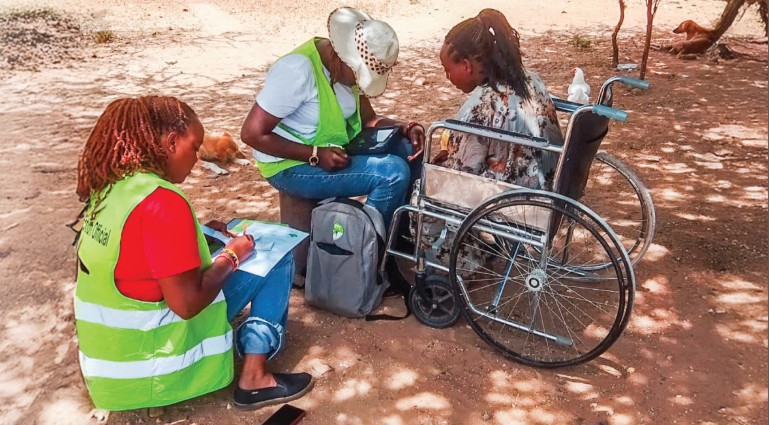
Prison healthcare also remains chronically under-resourced, affecting the health of millions, as people convicted of drug offences, women, and foreign nationals remain disproportionately affected.
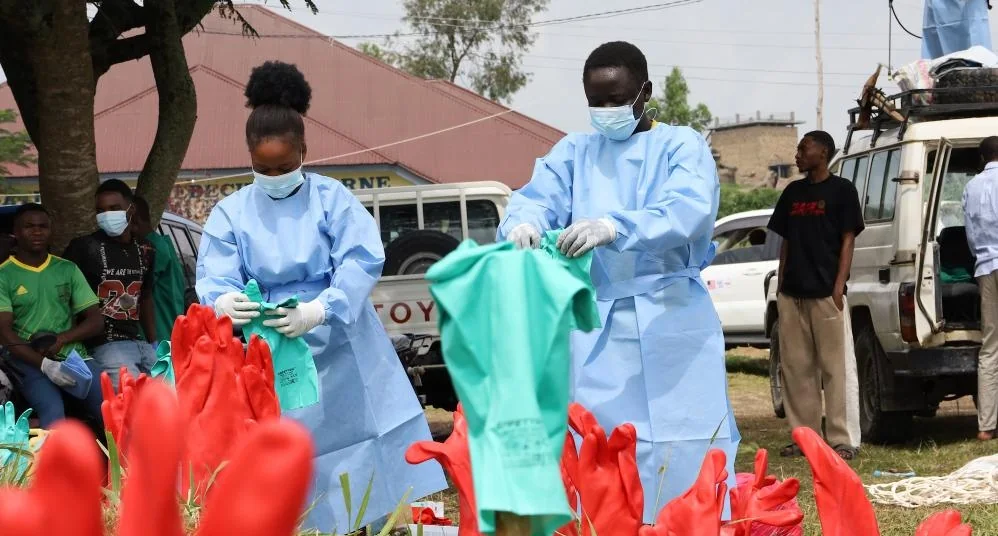
Prisons face increasing staff shortages, overcrowding, and weak health systems. As such, poor conditions have been connected to deaths and severe illness, while TB. Hepatitis C and other diseases spread rapidly.
Innovative technologies and NGO-led initiatives show promise, yet systemic underfunding and weak integration with public health limit widespread improvements.
Globally, at least one in seven people in prison lives with severe mental illness, with high rates of depression, psychosis and suicide.
At the same time, about four in ten people entering prison have drug dependence and use often continues inside, increasing risks of overdose, self-harm, mental ill-health and infection. Yet evidence-based harm reduction -including opioid agonist therapy, needle exchange programmes and naloxone - remains unavailable in many prisons.
Lastly, the report shows that while 113 countries have fully abolished the death penalty and 54 are abolitionist in practice, executions surged in 2024-2025 in countries still using capital punishment.













































Comments
Sign in with Google to comment, reply, and like comments.
Continue with Google