The European Union (EU) has proposed a new sanctions framework targeting migrant smugglers, human traffickers and other organised crime networks, with measures including asset freezes and travel bans aimed at disrupting groups accused of profiting from such activities.
The proposed framework would allow the bloc to impose restrictions on individuals and entities involved in migrant smuggling, trafficking in human beings, illicit drug trade, illegal firearms trafficking and money laundering. Those targeted would face restrictions on accessing funds and could be barred from entering or transiting through EU member states.
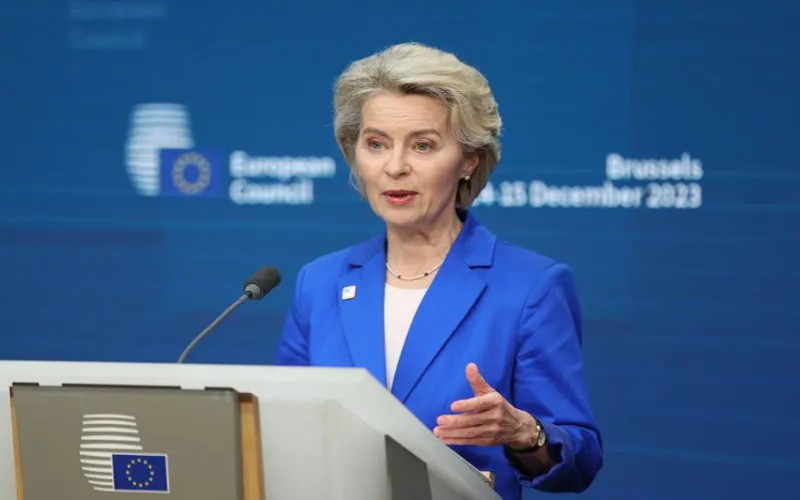
The move was announced by European Commission President Ursula von der Leyen on Thursday, who noted that the measures were intended to dismantle the networks behind migrant smuggling operations and prevent criminals from exploiting people seeking better lives across the bloc.
“Today, we are presenting a new sanctions regime against migrant smugglers and traffickers. We all have a common goal. To drive them out of business and save the lives of thousands of people who dream of a better life,” she said.
According to the Commission, organised criminal groups involved in smuggling and trafficking continue to pose a threat to the bloc’s security, rule of law and economic stability. Although irregular arrivals into the EU have dropped by more than 50 per cent over the past two years, many migrants continue to undertake dangerous journeys facilitated by smugglers.
The proposal will now be considered by EU member states through the Council, where it requires unanimous approval before it can come into force.
The development comes nearly a month after the EU’s Migration and Asylum Pact became fully operational on Friday, June 12, marking a major overhaul of the bloc’s migration system after years of negotiations on how to manage irregular arrivals and distribute responsibility more evenly among member states.
Under the new system, individuals arriving irregularly at EU borders will undergo screening before they can enter the asylum process. The pact also establishes mechanisms designed to ease pressure on countries receiving large numbers of migrants and asylum seekers.
The pact also includes measures welcomed by child rights and refugee advocates, including joint age assessment procedures for unaccompanied minors, stronger recognition of family ties in certain cases, faster access to education for children seeking asylum and earlier access to the labour market for adult applicants.
According to EU officials, the reforms are expected to make asylum procedures faster and more efficient, improve coordination among member states, and give authorities additional tools to manage irregular migration.






































Comments
Sign in with Google to comment, reply, and like comments.
Continue with Google